





Vintage Wooden Spoons
These vintage wooden spoons bring hand-carved folk art and utilitarian treen straight from country kitchens into modern display cabinets.
Vintage Wooden Spoons
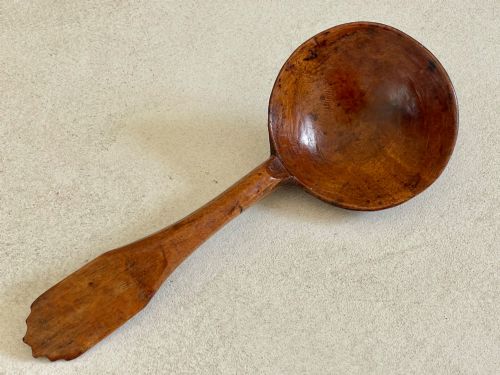
When you search for vintage wooden spoons, you encounter domestic utensils and decorative carvings shaped from regional timbers across several centuries. These domestic objects range from everyday dairy items to ornamental lovespoons created in rural communities.
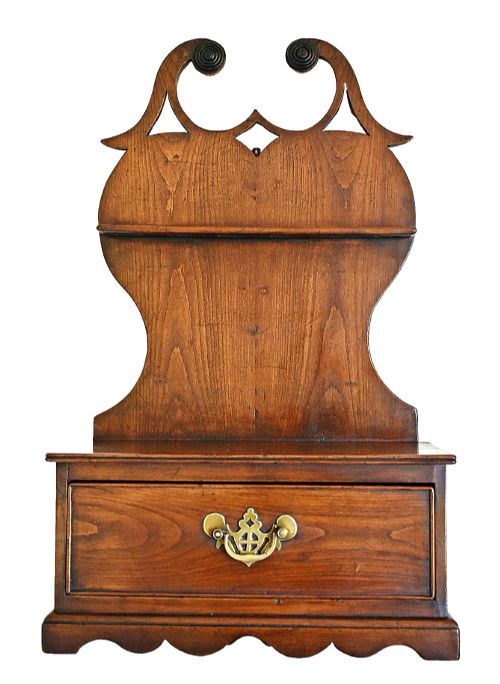
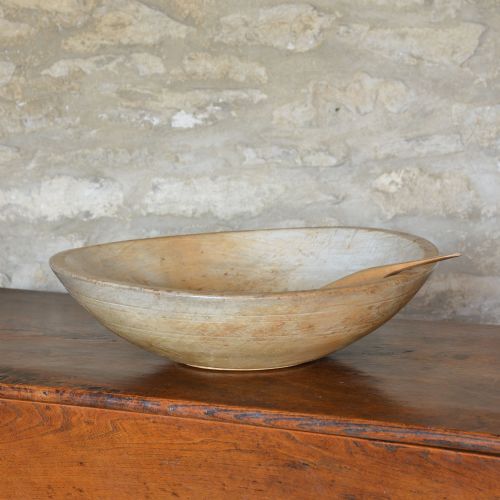
The examples most frequently met on this page span the Georgian, Victorian and Edwardian eras, alongside pieces attributed to Welsh and Scandinavian folk art traditions. Many items survive alongside related treen such as dairy bowls, scoops and wall-mounted spoon racks.
Makers shaped these items for practical kitchen work or ceremonial display using local hardwoods such as sycamore, fruitwood and oak. Collectors often find that utilitarian pieces bear the pleasing patina of decades of domestic handling.
How they were made
Craftsmen shaped vintage wooden spoons using traditional hand-carving techniques with gouges, drawknives and spokeshaves. Working green timber or seasoned hardwoods allowed makers to follow the natural grain of the material.
Regional woods such as sycamore, cherrywood and fruitwood provided the dense, tight grain necessary for functional kitchen items. Surface finishes typically relied on natural oils and years of use rather than applied varnishes.
Vintage Wooden Spoons Retail Price Guide 2026
Typical asking prices for vintage wooden spoons among the pieces listed under this phrase on Sellingantiques today, from the lower quarter to the upper quarter. They describe what is for sale here now, not the wider market.
Some spoons carry intricate interlocking wooden chain links carved entirely from a single solid piece of timber.
What varies in quality
Quality in these domestic items rests on the crispness of the original carving and the integrity of the timber. Finely rendered detail on lovespoons or ceremonial ladles separates standard utility pieces from exceptional vernacular art.
Surface preservation and patination dictate the visual appeal of each piece. Items retaining their original tool marks and deep, untouched surface character sit firmly at the top of the range.
Hukin & Heath
The Vintage Wooden Spoons Glossary
- Treen
- Small handmade wooden domestic objects produced before the widespread use of plastics. The term derives from the old word for tree.
- Lovespoon
- An intricately carved wooden spoon traditionally presented as a token of affection or engagement. These pieces often feature symbols such as hearts, chains and bellflowers.
- Patina
- The deep sheen and surface character developed on wood over decades of handling and polishing. This quality indicates genuine age and use.
- Dairy bowl
- A large vessel used in traditional butter and milk processing, frequently turned from sycamore. These items appear alongside utilitarian spoons in rural collections.
Vintage Wooden Spoons: Frequently Asked Questions
What are vintage wooden spoons?
These pieces comprise hand-carved domestic utensils, ceremonial objects and folk art created from various hardwoods over the past three centuries. They reflect traditional rural craftsmanship rather than industrial manufacture.
Most items served practical kitchen duties like stirring and skimming, whilst others functioned as decorative tokens or presentation pieces within local communities.
How were wooden spoons used?
Kitchen spoons handled daily tasks in dairies and hearths, including basting, stirring and serving food. Their durable timber construction suited heavy domestic service.
Ceremonial examples served entirely different social purposes, acting as gifts for betrothals or family milestones rather than utilitarian kitchen tools.
How do I display a spoon rack?
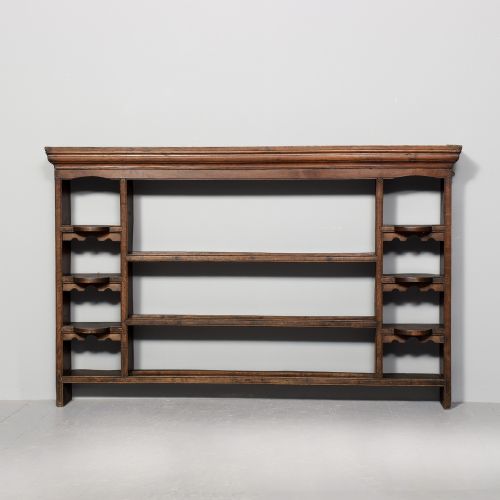
Wall-mounted racks were designed to hold collections of spoons and small ladles safely in farmhouse kitchens and dining areas. Hanging them securely on interior walls keeps the timber away from direct heat sources.
Matching the rack with period pewter or treen spoons creates the traditional arrangement recorded in historic domestic settings.