




Vintage Wooden Medicine Chest
A vintage wooden medicine chest is a compact, fitted storage box designed for remedies, which rewards close inspection with clever interior joinery and original glass bottles.
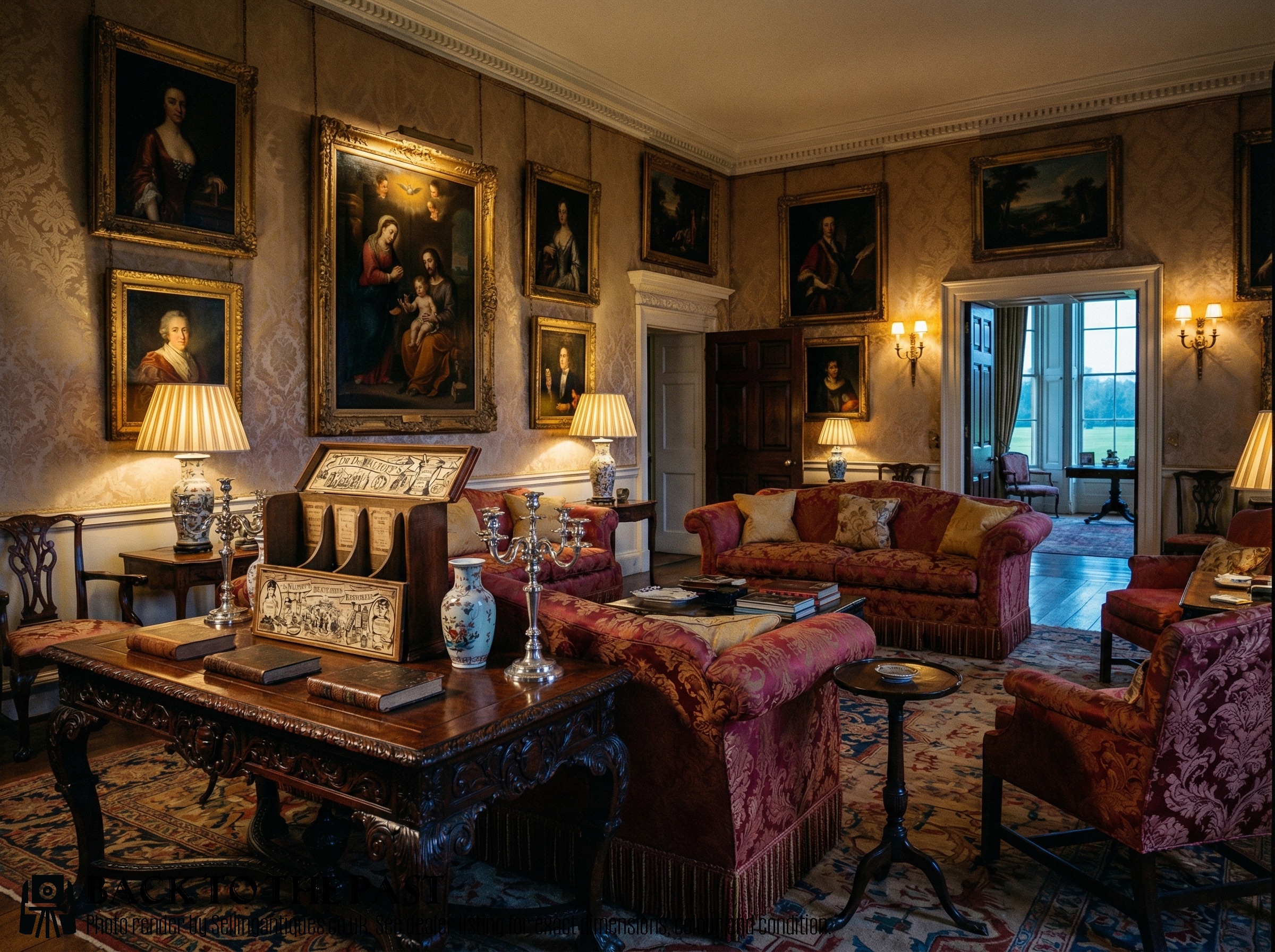
Vintage Wooden Medicine Chest
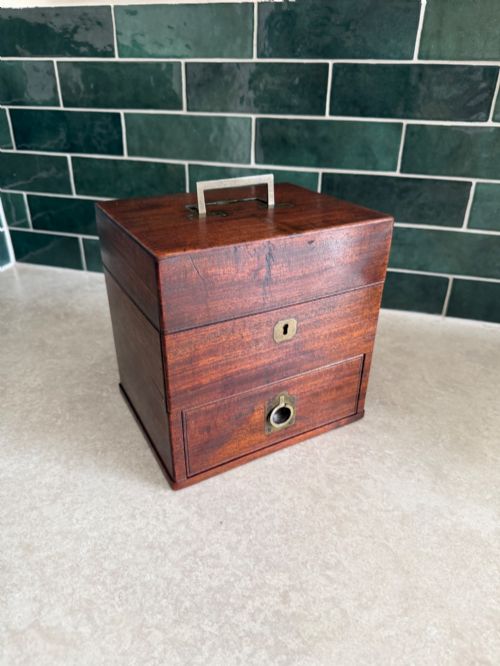
A vintage wooden medicine chest encompasses portable apothecary boxes, wall cabinets, and small chests of drawers spanning the eighteenth, nineteenth, and early twentieth centuries. When searching for a vintage wooden medicine chest, buyers encounter compact campaign cases and fitted table boxes designed for medical storage.
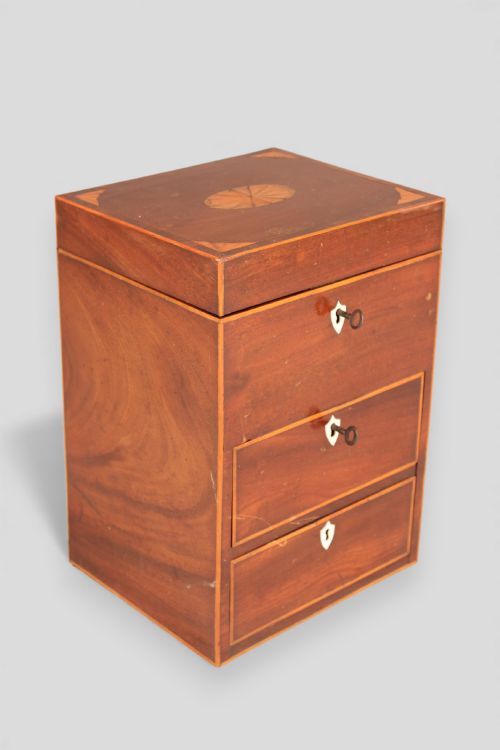
The selection ranges from Georgian and Regency mahogany boxes to nineteenth-century chemist chests and veterinary cabinets. Examples include French country armoires and Korean Joseon style cabinets, though portable apothecary boxes dominate the material available.
These pieces served practical roles in households, travel, and professional practices. Their survival depends on the durability of their hardwood construction and the utility of their compartmented interiors.
How they were made
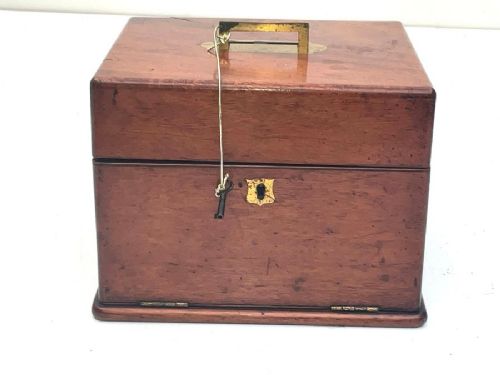
Mahogany forms the primary structure for the English Georgian and Regency pieces, frequently complemented by boxwood inlay and brass mounts. Woodworkers built these chests to withstand travel, integrating flush brass carrying handles and secure locking mechanisms.
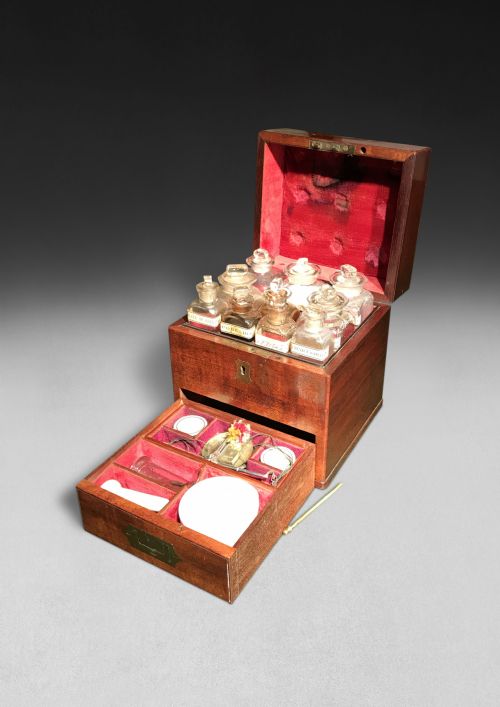
Interiors rely on precision joinery to create tight compartments for glass bottles, scales, and mortars. Materials such as velvet, bone, and glass line the fitted compartments and provide secure housings for delicate apothecary equipment.
Vintage Wooden Medicine Chest Retail Price Guide 2026
Typical asking prices for vintage wooden medicine chest among the pieces listed under this phrase on Sellingantiques today, from the lower quarter to the upper quarter. They describe what is for sale here now, not the wider market.
Mahogany, brass, and glass dominate the materials used across these listings, supplemented by velvet, bone, and boxwood inlay.
What varies in quality
Quality rests on the completeness of the original internal fittings and the survival of the glass bottles and apothecary contents. Boxes retaining their original velvet linings, bone pestles, and labelled glass jars command greater interest than those altered or emptied over time.
The refinement of the exterior cabinetwork, from secret drawers to finely figured mahogany grain and clean boxwood inlay, distinguishes standard utility chests from exceptional commissioned pieces.
The Vintage Wooden Medicine Chest Glossary
- Apothecary box
- A fitted wooden chest designed to hold medical supplies, drugs, and compounding equipment. These boxes typically feature specialised internal layouts with tiered compartments and recesses for glass bottles.
- Campaign case
- A portable chest or box constructed for travel, featuring recessed brass handles and reinforced corners to protect the wood during transit. Such cases prioritize robust construction and space efficiency.
- Boxwood inlay
- A decorative technique using small pieces of pale boxwood set into a contrasting darker wood surface, such as mahogany. This method creates geometric lines or decorative borders.
- Fitted interior
- An internal arrangement of wooden dividers, slots, and small drawers tailored to hold specific items securely. In medicine chests, this layout organises bottles and instruments.
Vintage Wooden Medicine Chest: Frequently Asked Questions
What did these chests hold?
These chests held glass bottles filled with tinctures, powders, and pills, alongside scales, weights, and mixing tools. Doctors, travellers, and households used them to store and dispense remedies.
Many retain specialised compartments for pestles, mortars, and scales. The contents were organised securely to prevent breakage during transport.
How are periods identified?
Periods are identified through cabinetmaking styles, wood choices, and brass hardware design. Georgian and Regency pieces often feature specific mahogany grains and dovetail construction.
Later nineteenth-century examples display different joinery techniques and proportions. Hardware such as flush brass handles helps date campaign boxes to specific decades.
Where were they used?
They were used in homes, aboard ships, on military campaigns, and in professional apothecary and veterinary practices. Their portable nature made them essential for travel.
Wall cabinets and larger chests stayed in fixed locations like surgeries or pharmacies. Portable boxes travelled with physicians and landowners.
How should I clean the wood?
Cleaning should involve only a soft, dry cloth to remove dust without harming the aged finish or polish. Avoid commercial polishes that leave residue on antique wood.
Wax can be applied sparingly if the wood appears dry. Care must be taken around inlay and brass mounts.