



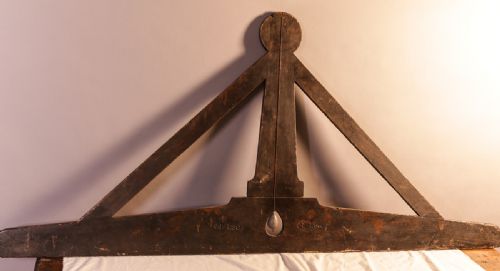


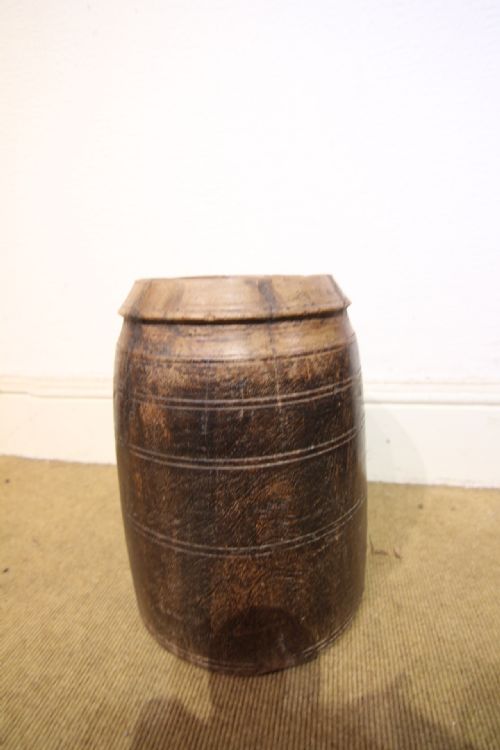


Vintage Wooden Measure
These vintage wooden measure pieces are honest utilitarian objects of timber and brass, offering tactile history and character for modern display.
Vintage Wooden Measure
A vintage wooden measure encompasses practical measuring instruments, grain bins, and storage vessels originating from the eighteenth, nineteenth, and twentieth centuries. These pieces reflect domestic, agricultural, and scientific uses across various styles including Georgian, Victorian, and rustic country forms.
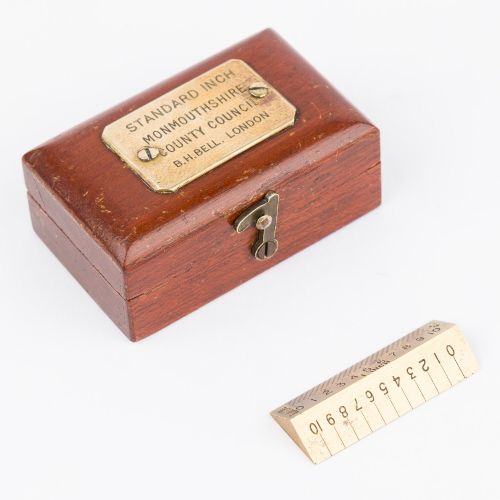
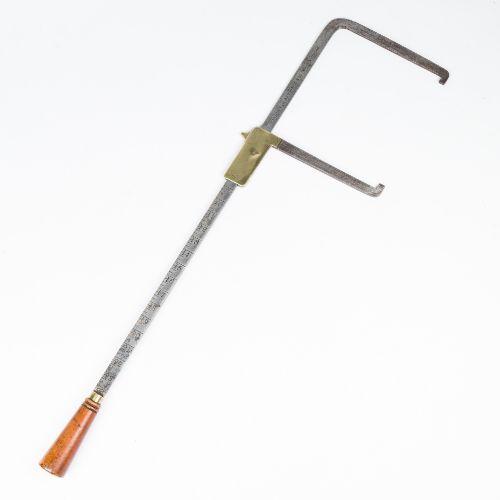
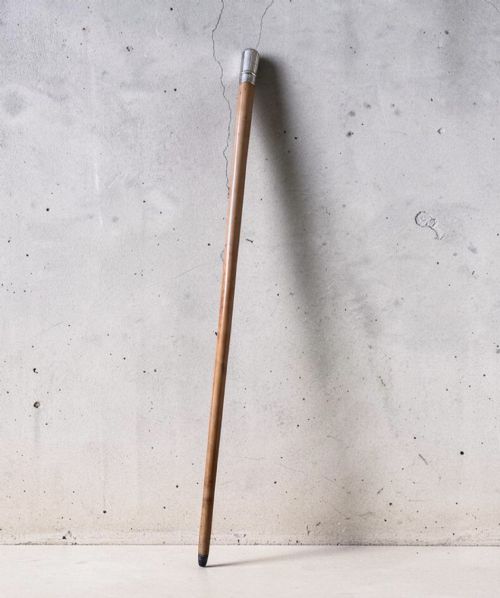
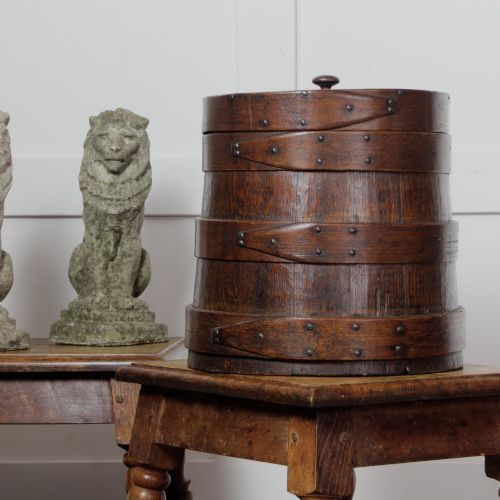
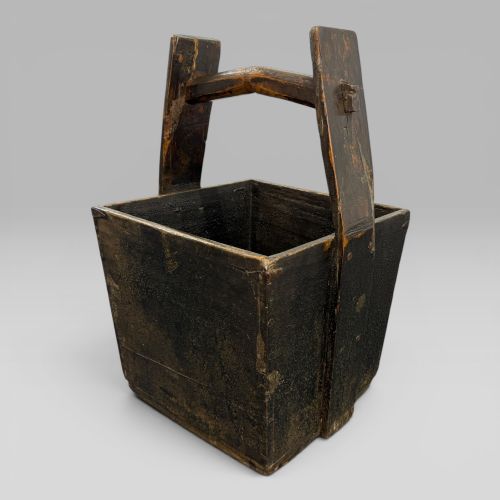
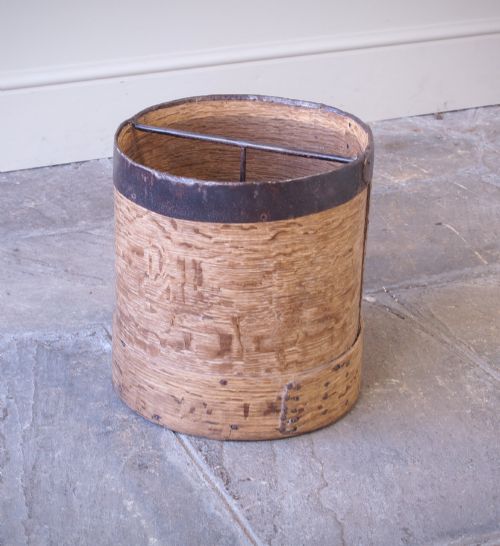
Buyers will most frequently encounter nineteenth-century examples fashioned from oak, mahogany, or boxwood, often reinforced with brass components. These utilitarian items range from folding foot measures and slide rules to large harvest baskets, barrels, and grain measures.
The historical function of a vintage wooden measure dictates its sturdy construction and honest aesthetic, making them enduring focal points for interior styling.
Materials and construction
Makers utilised dense timbers such as oak, elm, boxwood, and mahogany, selecting each for durability in daily agricultural, commercial, or scientific applications. Turned and carved techniques shaped these woods into vessels, barrels, and specialised instruments.
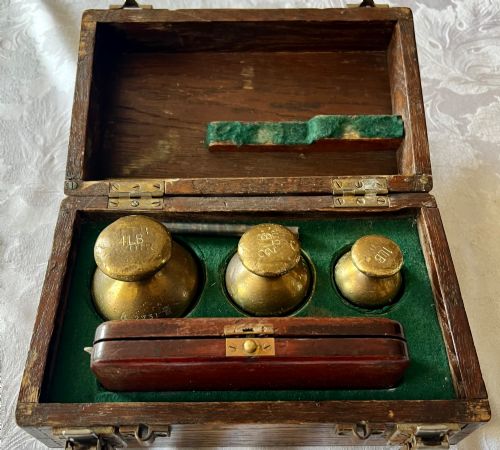
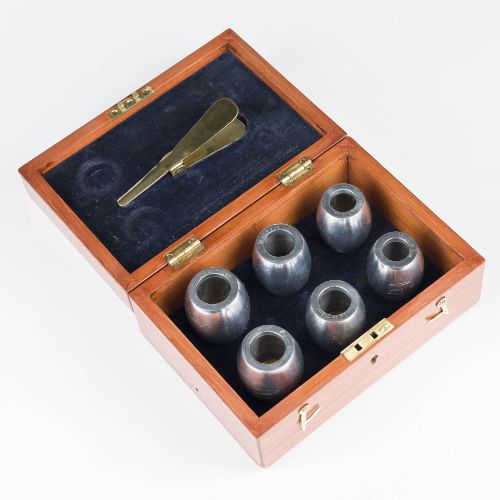
Metal components in brass and iron appear alongside velvet linings and silver mounts, providing structural reinforcement and mechanical precision where required for measuring instruments.
Vintage Wooden Measure Retail Price Guide 2026
Typical asking prices for vintage wooden measure among the pieces listed under this phrase on Sellingantiques today, from the lower quarter to the upper quarter. They describe what is for sale here now, not the wider market.
Cobblers once measured feet with folding boxwood and brass contraptions.
Assessing quality
Quality rests in the integrity of the original construction, the honesty of the timber grain, and the crispness of any turned or carved details. Pieces retaining their original brass fittings and markings demonstrate superior provenance.
The relationship between the functional purpose and the material execution separates standard utility items from finer workshop pieces. Superior examples maintain structural cohesion and authentic surface patination accumulated through age.
T Brigg & Sons London·De Grave Short & Co·Edward Roberts
The Vintage Wooden Measure Glossary
- Boxwood
- A dense, pale wood traditionally utilised for precision instruments, rules, and scales due to its stable nature. It accepts fine calibrations clearly.
- Hydrometer
- An instrument used for measuring the specific gravity of liquids, often housed in fitted sets during the nineteenth century. These scientific pieces combined glass, brass, and timber.
- Excise officer
- A government official responsible for levying duties on goods, who carried specialised slide rules and measuring devices. Their tools required high precision.
- Turned
- Shaped on a lathe to create symmetrical cylindrical objects such as vessels, barrels, and vases. This method highlights the natural grain of the timber.
- Standard
- An official unit of measurement sanctioned by authorities, such as the imperial standard yard. These verified items were kept by counties and boroughs for calibration.
Vintage Wooden Measure: Frequently Asked Questions
What is a vintage wooden measure?
It is a utilitarian object made from timber, historically used for gauging grain, liquids, dimensions, or weight in agricultural, commercial, or scientific contexts.
These pieces include barrels, grain bins, slide rules, and baskets dating from the eighteenth to the mid-twentieth century.
How were these items used originally?
They served practical roles in trade, surveying, and domestic life, measuring quantities of grain, volumes of liquid, or precise architectural dimensions.
Official standards were also utilised by local authorities and excise officers to verify weights and measures within specific counties and boroughs.
How do I style a vintage wooden measure at home?
Their honest construction and tactile timber surfaces suit both traditional country interiors and contemporary minimalist spaces as sculptural display pieces.
Larger items like harvest baskets and barrels function well for storage, while smaller instruments offer subtle historical interest on shelves or desks.
How can I tell the age of a piece?
Dating relies on material selection, construction techniques, and any official inscriptions, stamps, or maker marks stamped into the wood or brass.
Earlier eighteenth-century pieces often display hand-carved elements, whereas nineteenth-century items frequently incorporate machine-turned components and standardised commercial markings.