




Vintage Wooden Decanter Coaster
These vintage wooden decanter coaster pieces protect your dining table with period charm while keeping wine bottles and decanters firmly in place.
Vintage Wooden Decanter Coaster
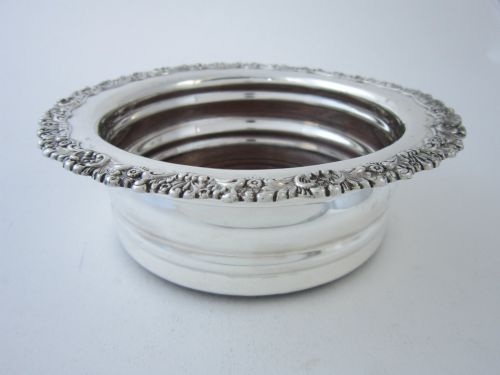
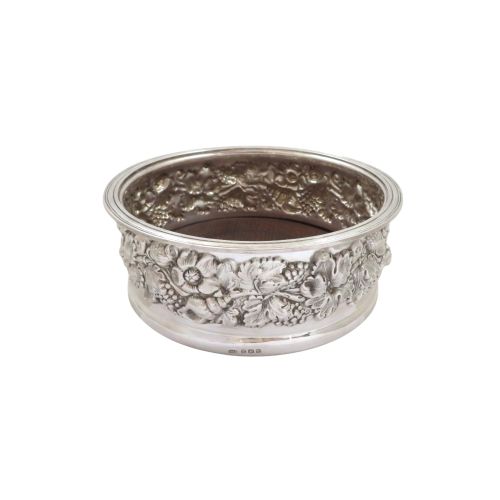
When you search for a vintage wooden decanter coaster, you are looking at functional table accessories designed to hold wine bottles and decanters securely. The examples on this page span several distinct periods including Victorian, Georgian, and twentieth-century eras.
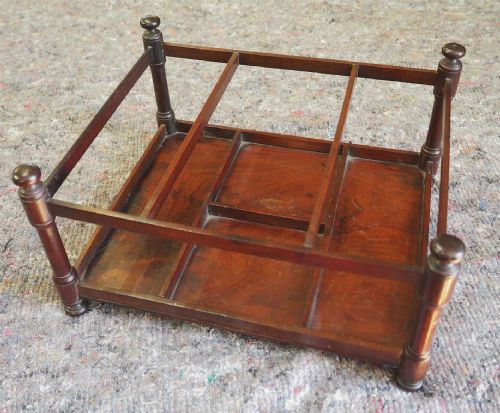
The selection here includes traditional British styles alongside Art Nouveau and George V pieces. Formats vary from simple round wooden rings to multi-bottle treen frames fitted with decorative metal mounts.
Materials and construction methods
The construction of these items relies heavily on traditional cabinet-making timbers such as mahogany and rosewood, often grouped broadly under treen. Artisans shaped these dense woods into rounded platter forms or handled bottle frames designed to withstand regular dining room use.
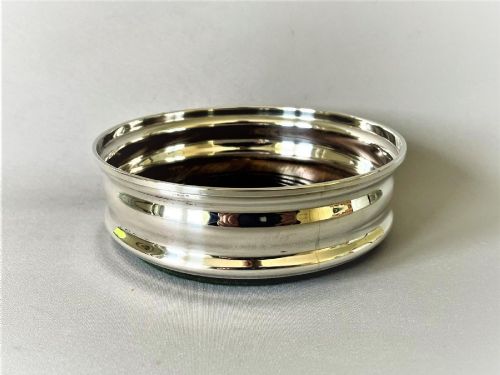
Many wooden bodies are enhanced with metal components, utilising sterling silver, silver plate, or brass rims and mounts to reinforce the structure. Bases are frequently lined with baize to cushion the glassware and prevent scratching on polished mahogany tables.
Listings feature periods spanning from the eighteenth century through the Victorian era to the mid-twentieth century, utilising mahogany, rosewood, and silver plate.
Assessing quality and craftsmanship
Quality in these pieces is dictated by the selection of timber and the precision of the joinery. Fine examples display rich grain patterns in the rosewood or mahogany, with tight, seamless construction around the circular wooden walls.
The integration of metal hardware also defines the standard of a piece. Superior items feature substantial silver or brass mounts that fit the timber snugly, whereas lesser examples show crude fixings or poorly finished linings.
The Vintage Wooden Decanter Coaster Glossary
- Treen
- Small domestic wooden objects made by turning or woodworking. This term applies to many of the older bottle stands and coasters listed here.
- Baize
- A coarse woolen material resembling felt, traditionally used to line the undersides of coasters. It protects dining tables from scratches.
- Decanter coaster
- A portable tray or stand designed to hold a decanter and slide easily across the dining table after a meal. These often feature raised wooden or metal rims.
- Silver plate
- A layer of silver applied to a base metal core such as copper or brass. Many coasters combine this technique with a wooden base.
- Georgian style
- Design characteristics originating from the reigns of the first four Georges. Pieces in this style emphasise classical proportions and traditional timber use.
Vintage Wooden Decanter Coaster: Frequently Asked Questions
What is a decanter coaster used for?
These items were traditionally placed on the dining table to hold wine bottles and decanters. They allowed hosts to slide drinks smoothly between guests once the servants had left the room.
The raised sides kept the bottles secure while protecting polished table surfaces from condensation and drips.
How do I care for wooden coasters?
Keep wooden and treen pieces away from direct heat sources and excessive moisture to prevent the timber from warping or splitting. Regular dusting with a soft cloth maintains the natural finish of the wood.
If the piece has silver or brass mounts, use appropriate metal polish carefully to avoid staining the surrounding timber.
How can I tell a Victorian piece apart from a Georgian one?
Georgian pieces generally display simpler, classical lines with a focus on high-quality mahogany and understated craftsmanship. Victorian examples often incorporate heavier ornamentation or mixed materials like silver plate alongside the timber.
Examining the construction methods and any accompanying hallmarks helps clarify the period of manufacture.
Why do some coasters hold multiple bottles?
Multi-bottle holders and frame stands were created to serve larger gatherings where several wines or spirits needed to sit together on the table. These pieces allowed hosts to keep a selection of beverages close at hand without cluttering the dining surface.
They often feature central handles for easier transport around the table.