





Vintage Wooden Cherubs
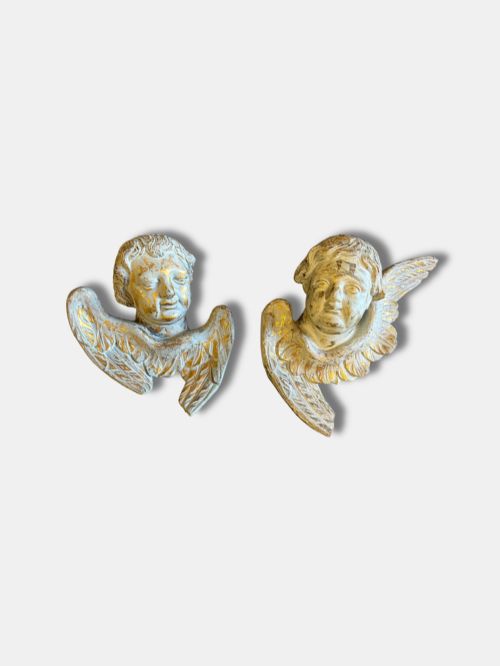
These vintage wooden cherubs bring hand-carved celestial drama and period warmth to a room, captured in architectural fragments and devotional figures.
Vintage Wooden Cherubs
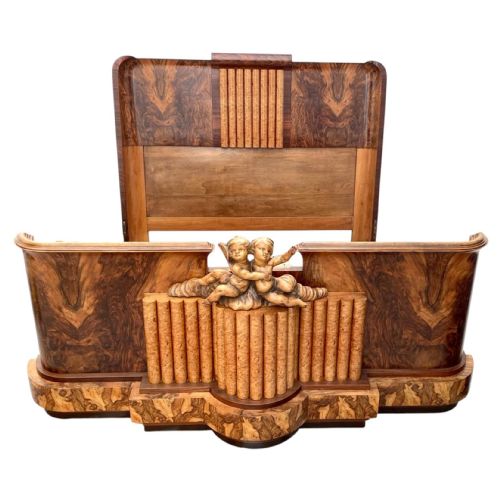
Vintage wooden cherubs appear primarily in nineteenth-century Italian and continental decorative carvings, often emerging from architectural salvage, architectural overdoors, and ecclesiastical furnishings. These carved wooden motifs represent winged putti and angels derived from Renaissance and Baroque traditions, rendered as standalone figures or integrated into larger decorative schemes.
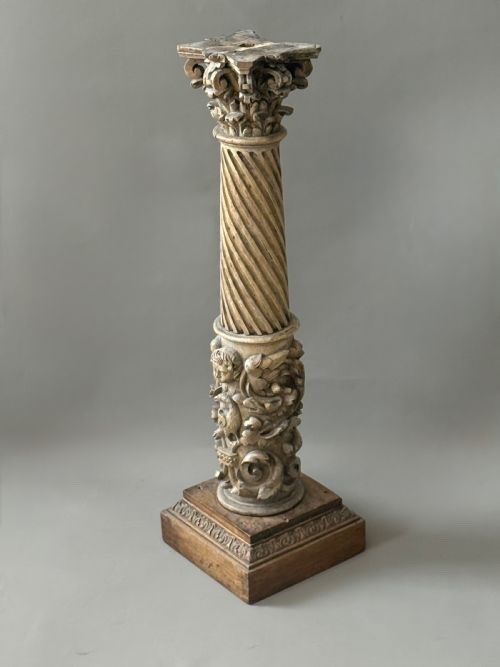
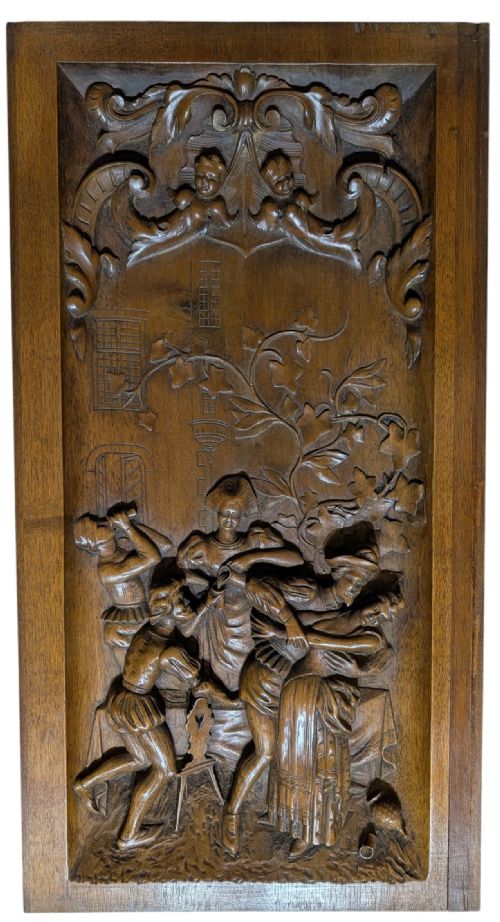
The selections on this page span diverse functional forms, including table lamp bases, architectural overdoors, candlesticks, and wall panels. They demonstrate how sacred and decorative sculpture adapted to domestic interiors across the nineteenth century and earlier historical periods.
Materials and construction methods
The pieces rely on traditional hardwoods such as oak, walnut, mahogany, and fruitwood, which were selected for stability and responsiveness to deep chiselling. Craftsmen shaped these timbers using hand gouges and chisels to achieve flowing drapery, rounded limbs, and feathered wings.
Many surfaces feature gesso applications beneath layers of gold leaf or polychrome paint, adding luminosity and depth to the carved details. Brass elements occasionally appear as structural or decorative fixings, complementing the warm tones of the timber.
Vintage Wooden Cherubs Retail Price Guide 2026
Typical asking prices for vintage wooden cherubs among the pieces listed under this phrase on Sellingantiques today, from the lower quarter to the upper quarter. They describe what is for sale here now, not the wider market.
Current listings feature items executed in oak, walnut, and mahogany, spanning the seventeenth through to the early twentieth century.
Assessing quality in carved wood
The integrity of the original surface finish plays a central role, distinguishing pieces with undisturbed historic gesso and gilding from those heavily refinished or stripped down to bare wood over time.
The Vintage Wooden Cherubs Glossary
- Gesso
- A plaster-based mixture applied to wood surfaces to provide a smooth base for gilding and painting. It creates a solid ground that holds fine relief detail.
- Putto
- A plump, often winged infant figure originating in classical art and revived during the Renaissance. These motifs form the basis of many decorative cherub carvings.
- Polychrome
- Painted in several colours, frequently applied over gesso or directly to wood. This technique gave ecclesiastical and decorative carvings a lifelike appearance.
- Overdoor
- An architectural element positioned directly above a doorway, often featuring elaborate carved panels or figural reliefs. They were common in grand continental interiors.
Vintage Wooden Cherubs: Frequently Asked Questions
What rooms suit a wooden cherub carving?
These pieces integrate well into living spaces as focal points above mantelpieces, displayed on bookcases, or mounted as wall panels. Their rich textures complement both traditional and eclectic modern interiors.
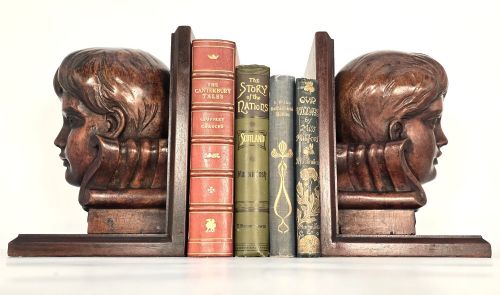
Smaller items like candlesticks or bookends sit comfortably on side tables and desks, adding sculptural interest without overwhelming a surface.
How should I clean antique carved wood?
Dust the surface gently with a dry, soft-bristled brush to remove particles from deep recesses without disturbing the wood grain or gilding. Avoid using liquid cleaners, abrasive cloths, or modern polishes.
Historic finishes, particularly gesso and gold leaf, react poorly to moisture and chemical solvents. Professional conservation is advisable for any significant accumulation of grime.
How do I distinguish continental from British pieces?
Continental carvings, particularly from Italy and France, frequently utilise softer fruitwoods or walnut and display the theatrical influence of Baroque and Rococo design. They often incorporate gesso and polychrome or gilt finishes.
British equivalents tend to use native oak or mahogany with more restrained decorative vocabulary, reflecting local architectural and cabinet-making traditions.
Were these figures originally part of larger altarpieces?
Many freestanding angels, candlesticks, and architectural fragments originated in churches, chapels, or monastic settings before entering the domestic market. Ecclesiastical workshops produced these items for devotional environments.
Over time, changing architectural tastes led to the dispersal of these elements, separating them from their original altars, pulpits, or architectural surrounds.