

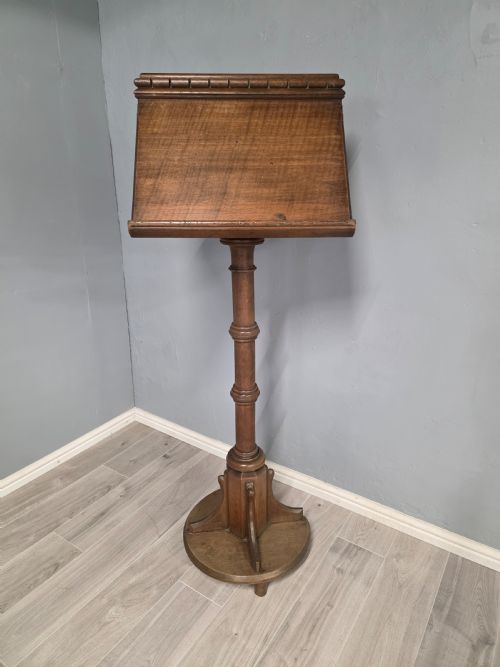


Vintage Wooden Bible Stand
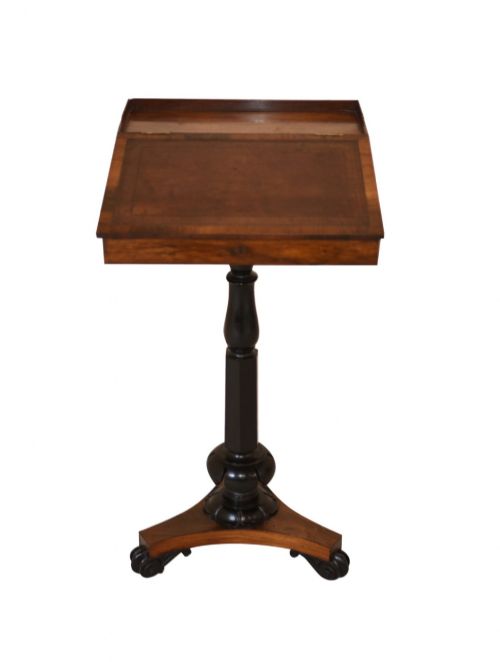
These vintage wooden bible stand pieces are practical reading desks and pedestals designed to hold heavy texts steady.
Vintage Wooden Bible Stand
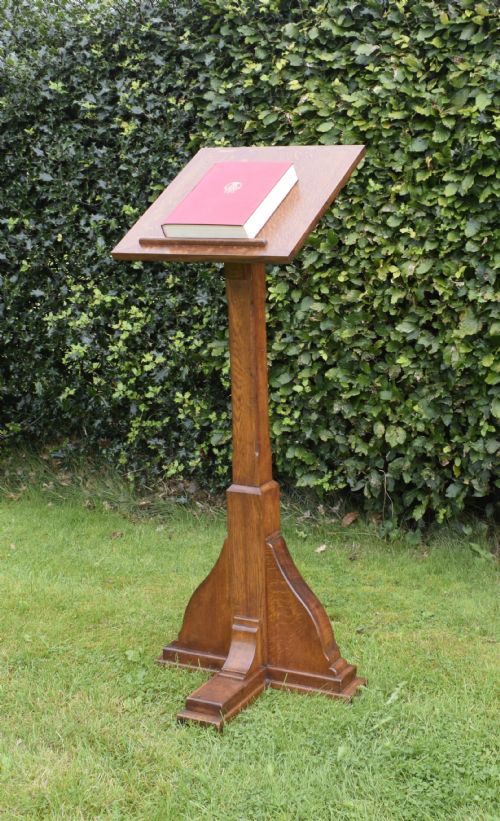
A vintage wooden bible stand serves primarily as a lectern, reading stand, or desk for holding large books and documents. Most examples found here date from the nineteenth century, the Victorian era, the Edwardian period, and the early twentieth century.
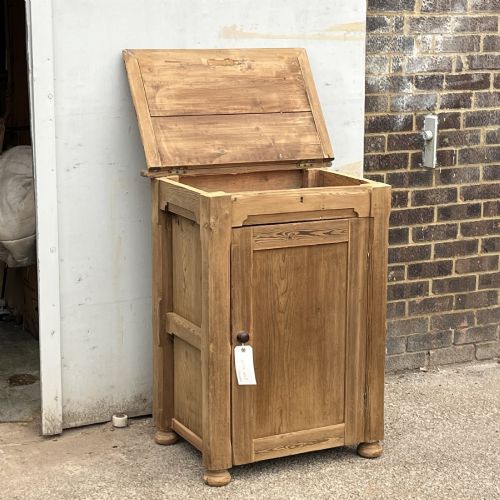
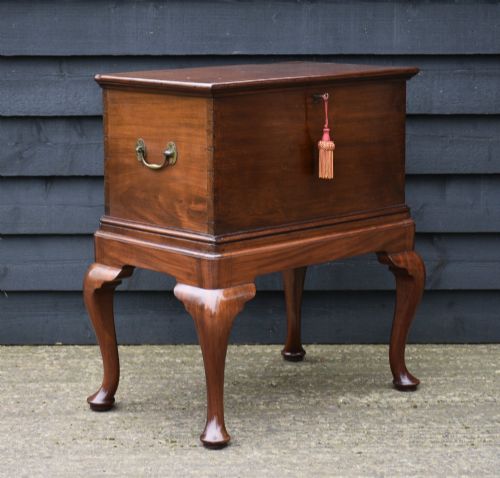
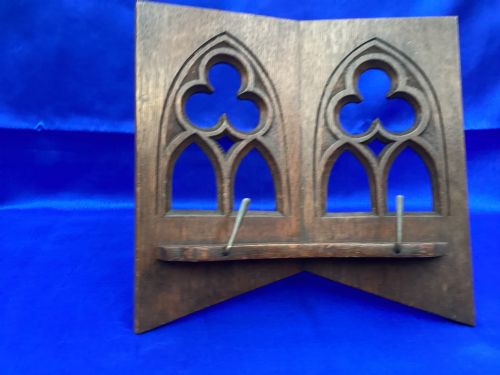
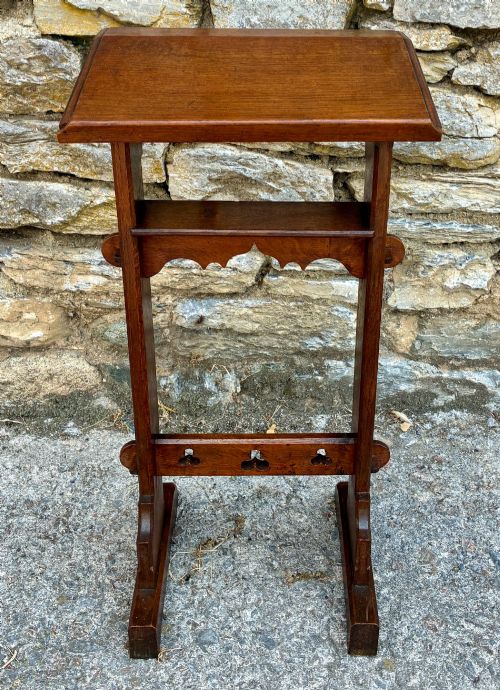
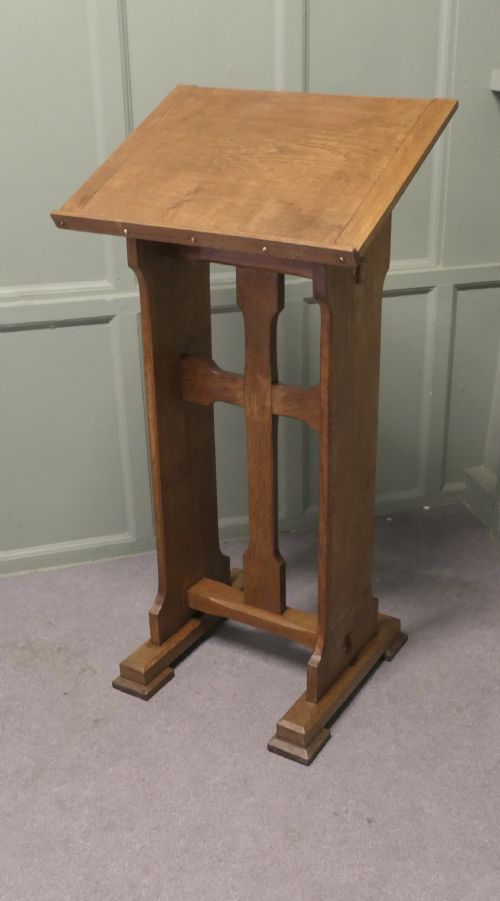
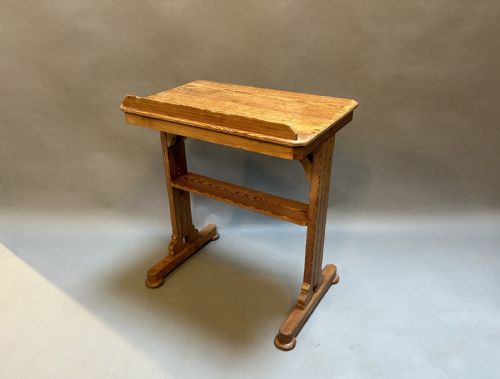
The forms vary from small folding book pedestals and table stands to substantial church lecterns and reception greeting stations. Oak is the predominant wood seen across these listings, alongside pine, walnut, teak, and painted wood.
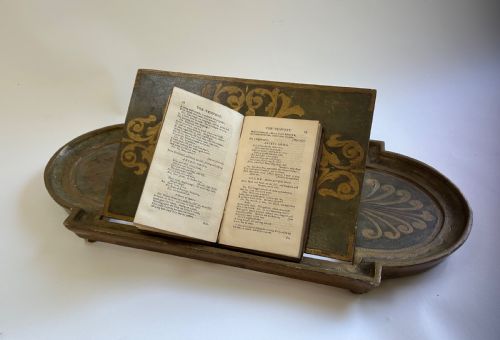
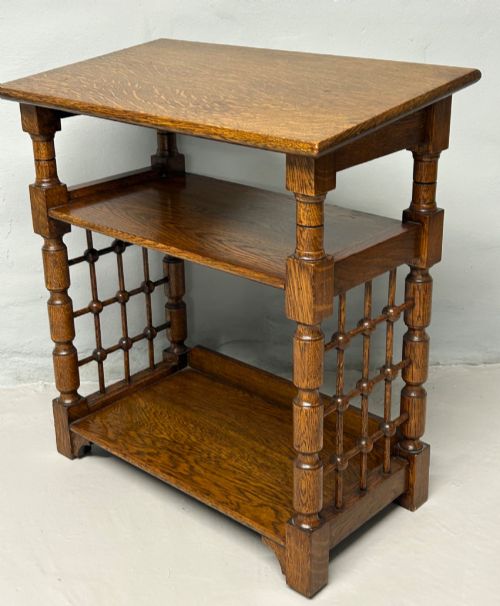
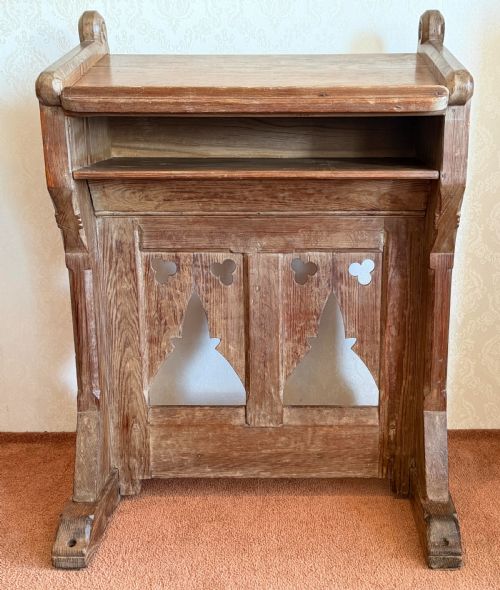
Makers and designers applied several distinct styles to these pieces, including Gothic Revival, Arts and Crafts, Florentine, and ecclesiastical designs. Buyers will frequently encounter oak church lecterns and Arts and Crafts stands on this page.
How they were made
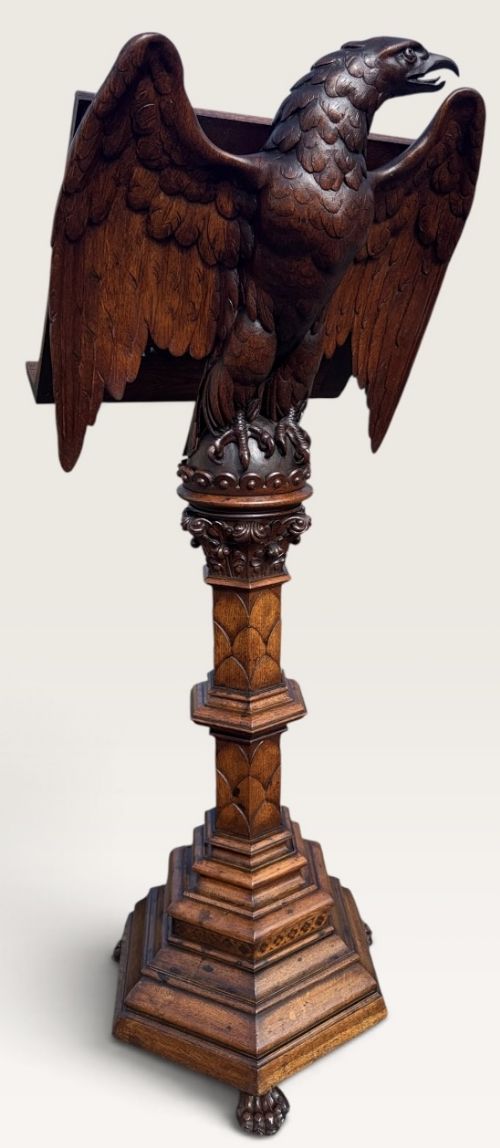
Joinery on these stands relies heavily on solid oak and pine timbers, sometimes augmented with brass hardware or brass work to support hinges and adjustments. Carved wooden details appear on specific ecclesiastical forms, such as eagle lecterns.
Surface treatments range from simple polished hardwood and golden oak to gesso, giltwood, and painted finishes. Folding mechanisms utilise hinged wooden supports and metal components to allow the reading desk to adjust or pack flat.
Vintage Wooden Bible Stand Retail Price Guide 2026
Typical asking prices for vintage wooden bible stand among the pieces listed under this phrase on Sellingantiques today, from the lower quarter to the upper quarter. They describe what is for sale here now, not the wider market.
Carved wooden eagle lecterns bring a dramatic avian presence directly into the reading room.
What varies in quality
Quality in these pieces is dictated by the selection of timber and the execution of the woodwork. Solid oak and walnut structures with precise joinery stand above utilitarian pine items intended purely for functional service.
The presence of decorative elements such as brass work, carved ornamentation, or specialised Florentine finishes elevates a piece above standard ecclesiastical utility items. Well-executed folding mechanisms and stable pedestals also distinguish finer reading stands.
The Vintage Wooden Bible Stand Glossary
- Lectern
- A tall desk with a slanted top designed to hold a book for a standing reader. These often appear in church or ecclesiastical settings.
- Gothic Revival
- An architectural and decorative style drawing inspiration from medieval forms, frequently seen in Victorian church furniture. Pointed arches and heavy mouldings typify this aesthetic.
- Giltwood
- Wood that has been covered with a thin layer of gold leaf or gilt. This finish appears on decorative Florentine pieces.
Vintage Wooden Bible Stand: Frequently Asked Questions
What were vintage wooden bible stands used for?
These stands served primarily to hold heavy books at a comfortable reading angle for clergy, scholars, or readers. They were placed on desks, tables, or freestanding floors in churches, studies, and libraries.
Over time, their practical utility expanded into reception areas and restaurants as greeting stations or podiums for displaying menus and sign-in registers.
How do I date a wooden reading stand?
Dating relies on identifying the timber, construction methods, and stylistic cues present in the piece. Nineteenth-century and Victorian examples often feature heavy oak and Gothic Revival details, while Edwardian and 1920s pieces lean towards simpler Arts and Crafts utility forms.
Hardware such as brass hinges and the type of saw marks on unseen timber surfaces also provide clues to the manufacturing decade.
Are all these stands made of oak?
Oak is the most common material recorded in these listings, appearing across Victorian church lecterns and Edwardian Arts and Crafts desks. However, other woods are regularly utilised.
Listings also feature pine, walnut, teak, and painted wood, sometimes paired with brass work, gesso, or giltwood finishes depending on the origin.
Can folding book stands support heavy books?
Many folding stands and scholar reading pedestals are built from solid hardwoods like oak or walnut to handle substantial weight. Hinged wooden supports and brass components provide the necessary stability for large volumes.
Buyers should inspect the specific mechanism and timber thickness of a folding pedestal to ensure it suits the intended weight of the book.