





Victorian Wooden Book Rest
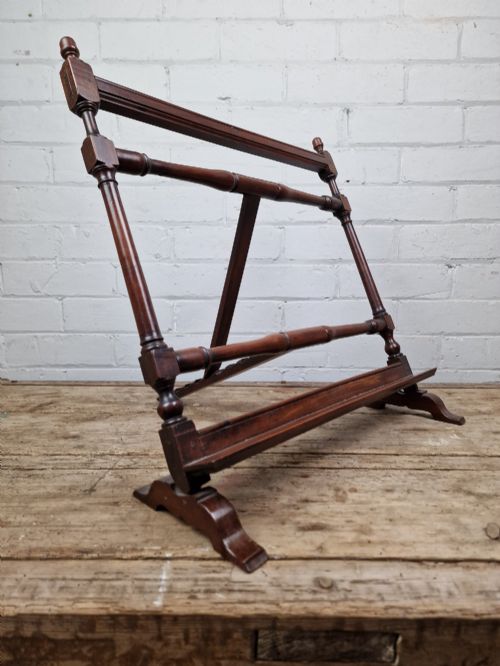
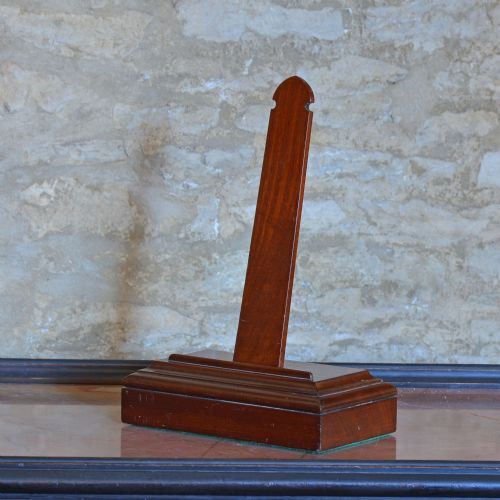
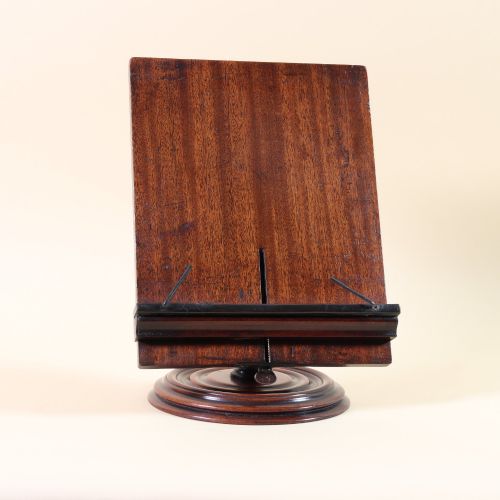
These Victorian wooden book rest pieces are sturdy mahogany, walnut and oak desk accessories designed to hold volumes upright or at an angle.
Victorian Wooden Book Rest
A victorian wooden book rest provides a stable desktop platform for reading volumes, displaying plates or supporting correspondence in the study and library. These objects take the form of extending slides, folding stands, lecterns and simple bookends designed to keep texts close at hand.
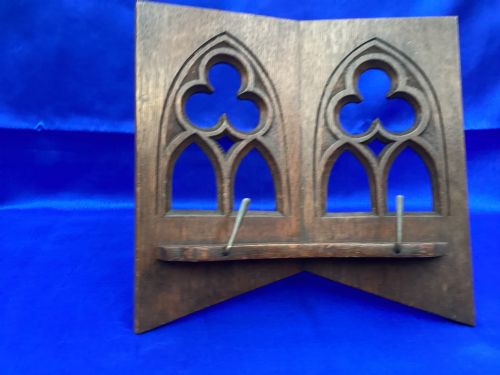
Most examples found here date from the nineteenth century, spanning Victorian, Regency and Edwardian periods with distinct stylistic touches like Gothic Revival or Anglo-Indian carving. Mahogany and walnut dominate the offerings, occasionally supplemented by exotic timbers such as coromandel and teak.
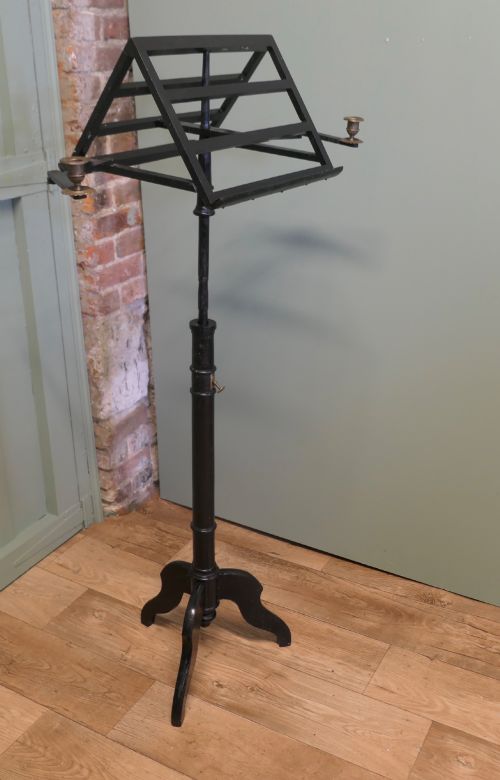
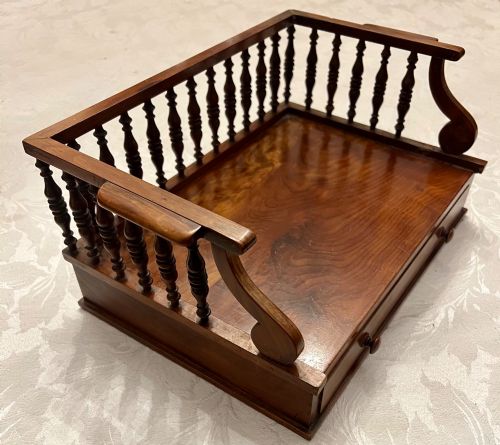
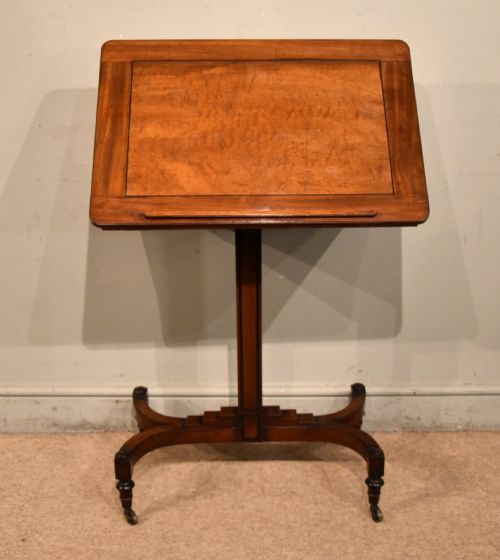
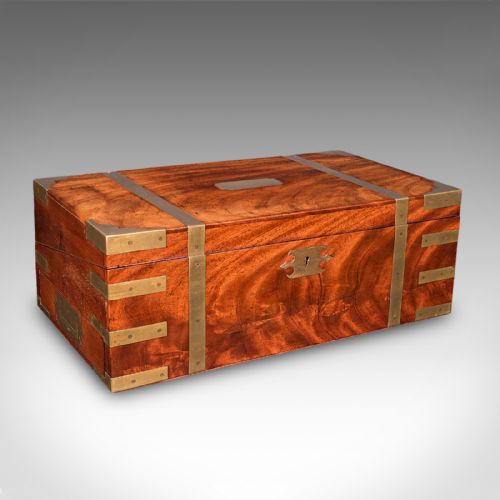
Forms range from adjustable tabletop easels and music stands to campaign writing slopes and expanding book slides fitted with brass mechanisms. Buyers encounter everything from plain domestic oak utilities to elaborately carved folding lecterns meant for scholars and home libraries.
Materials and construction
Cabinetmakers utilised dense hardwoods like mahogany, walnut, oak and teak to build these desk accessories, ensuring stability under heavy bindings. Timber selection often reflected both domestic utility and imported colonial taste, with hardwoods chosen for their grain and durability.
Metal components such as brass hinges, extending rails and adjustable brackets were integrated into the woodwork to allow folding mechanisms and sliding action. Inlays of mother of pearl, bone and transfer prints like Mauchline Ware added decorative contrast to the timber surfaces.
Victorian Wooden Book Rest Retail Price Guide 2026
Typical asking prices for victorian wooden book rest among the pieces listed under this phrase on Sellingantiques today, from the lower quarter to the upper quarter. They describe what is for sale here now, not the wider market.
Carved wooden elephants frequently hold up the ends of Victorian library books.
Judging the work
The distinction between ordinary and superior pieces rests on the precision of the joinery and the smoothness of any mechanical extension actions. Well-made sliding book rests operate without binding, and adjustable brass hinges remain firmly seated in the hardwood frames.
Carving depth and clarity define the better examples, particularly on Anglo-Indian teak and Gothic Revival items where hand-cut detail requires considerable skill. The choice of timber grain and the condition of original inlays further separate standard production items from finer library pieces.
The Victorian Wooden Book Rest Glossary
- Book slide
- An extending desk accessory with end supports that can be pulled apart to hold a varying number of volumes. These often incorporate brass ratchet actions.
- Lectern
- A slanted reading stand designed to hold a book at a comfortable angle for a standing or seated reader. Many nineteenth-century versions fold flat for storage.
- Mauchline ware
- Souvenir items made from sycamore or whitewood featuring photographic transfers of British scenes. These pieces often include small reading stands and book receptacles.
- Anglo-Indian
- A style of decorative woodworking produced in India for the British market, typically featuring dense carved teak, coromandel or beech. These items display intricate floral and animal motifs.
- Gothic revival
- An architectural and decorative style popular during the nineteenth century characterised by pointed arches, heavy moulding and medieval motifs. It appears frequently on Victorian desk stands.
Victorian Wooden Book Rest: Frequently Asked Questions
How do extending book slides work?
Extending book slides feature a central wooden base with two upright ends that pull apart on hidden tracks or rails. This allows the holder to expand as more volumes are added to the desk.
Many nineteenth-century versions use brass scissor mechanisms or simple slot channels to keep the ends upright and parallel at any width.
What is the difference between a lectern and a book stand?
A lectern typically provides a sloping surface designed to hold a single volume open at a readable angle for study or presentation. They often include a small lip at the bottom to stop the pages sliding.
Book stands and slides are generally intended to hold multiple books vertically between two upright supports or display them flat on a table.
Where were these pieces used in the home?
These items were primary fixtures in the Victorian study, home library, drawing room or parlour. They kept working reference texts, music scores and current correspondence organised on desks and tables.
Smaller folding versions were also portable, allowing readers to move their texts easily between rooms or pack them into travel luggage.
How do I care for antique wooden book rests?
Maintain the timber by keeping the piece away from direct heat sources and sudden humidity changes that can split dry hardwoods. Regular dusting with a soft, dry cloth preserves the polished finish.
Avoid using harsh modern cleaning sprays on polished mahogany, walnut or oak, applying a sparing coat of quality wax only if the wood appears dry.