







Vintage Wooden Apothecary Chest
These vintage wooden apothecary chest pieces offer practical storage and historical utility, carrying decades of utilitarian character into modern rooms.
Vintage Wooden Apothecary Chest
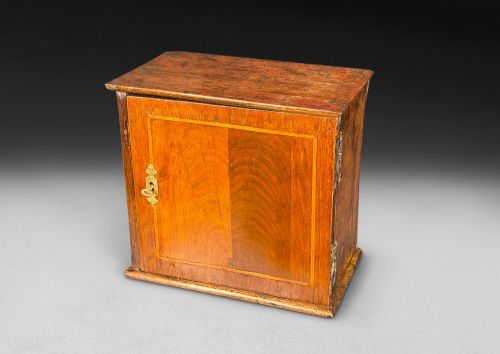
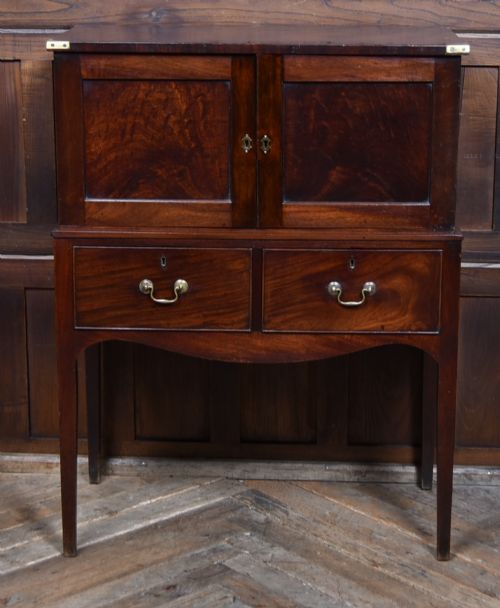
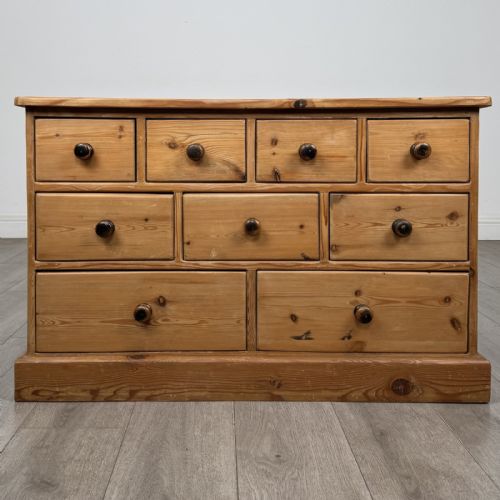
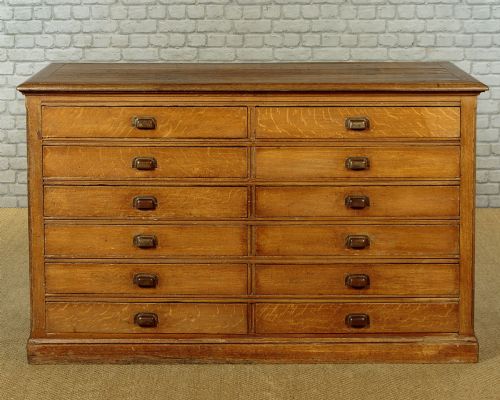
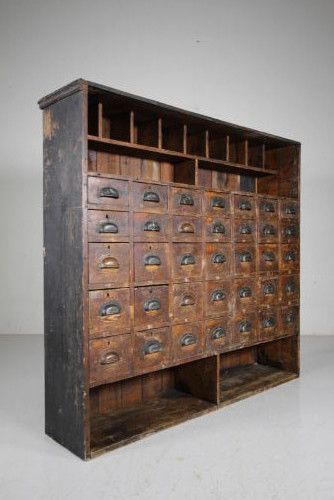
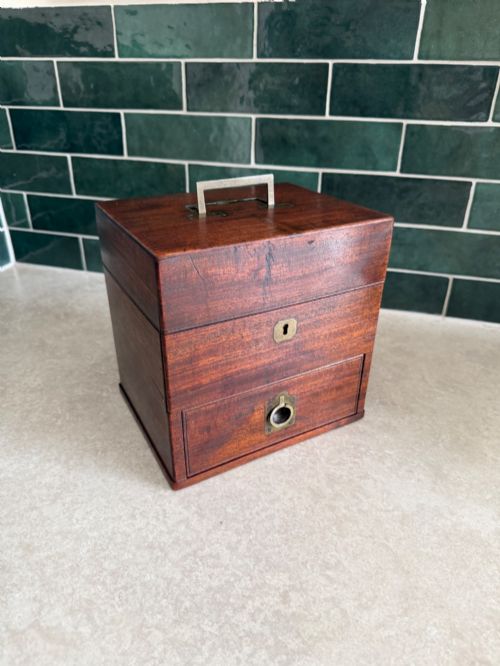
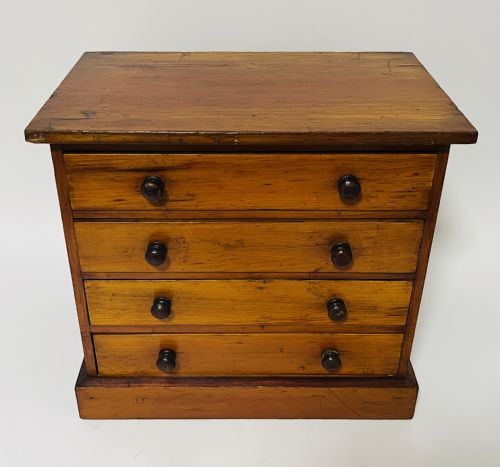
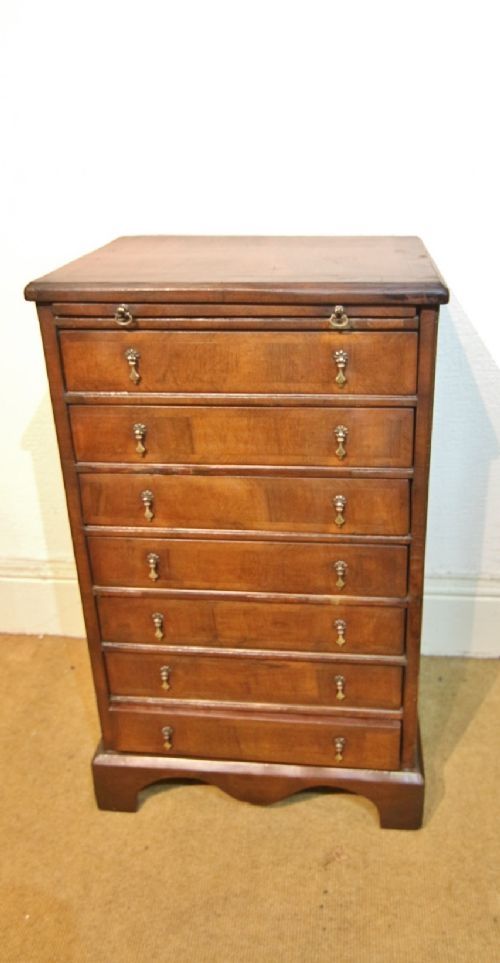
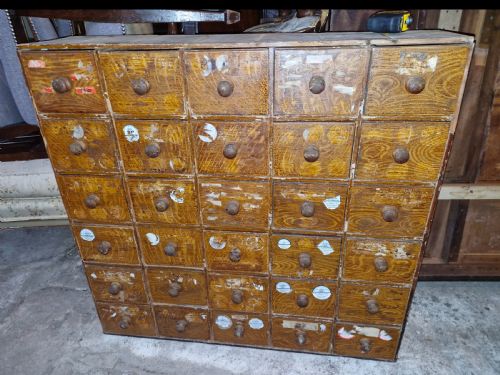
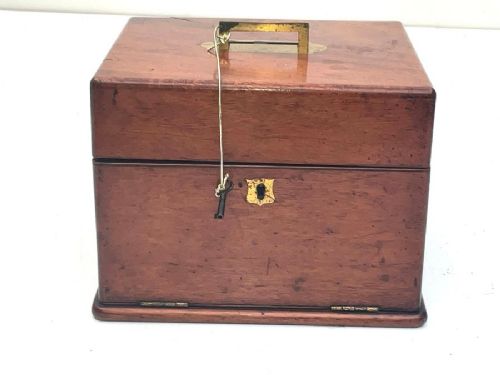
When you search for a vintage wooden apothecary chest, you encounter multi-drawer banks, chemist cabinets, and fitted storage boxes designed originally for medical, apothecary, and specialist domestic use. The pieces appearing here span from Georgian and Victorian periods into the early twentieth century, taking the form of banks of drawers, spice cabinets, specimen chests, and portable apothecary boxes.
The most common formats on this page are substantial pine and mahogany banks of drawers, alongside smaller desktop apothecary boxes and wall-hanging spice boxes. These items originated as functional furniture for pharmacies, surgeries, and trades, constructed to hold powders, instruments, and dry goods in a systematic manner.
Materials and construction methods
Cabinet makers utilised dense hardwoods such as mahogany and walnut alongside domestic softwoods like pine, oak, and fruitwood to build these storage units. Joinery focused on durability, employing dovetailed drawer construction and solid timber panels to withstand heavy daily use in shops and surgeries.
Hardware played an essential role, with brass drop handles, recessed campaign pulls, and iron brackets fitted to secure contents and facilitate transport. Interiors often featured specialised additions, including milk glass linings, small bottle compartments, and fitted shelves tailored for specific storage needs.
Vintage Wooden Apothecary Chest Retail Price Guide 2026
Typical asking prices for vintage wooden apothecary chest among the pieces listed under this phrase on Sellingantiques today, from the lower quarter to the upper quarter. They describe what is for sale here now, not the wider market.
The inventory spans the eighteenth, nineteenth, and early twentieth centuries, including Georgian and Victorian eras.
Quality variations in storage pieces
Superior examples distinguish themselves through the integrity of their original hardware, intact internal fittings such as glass linings or bottle compartments, and untouched timber surfaces. The balance of proportions between the carcase and the numerous small drawers indicates the care taken by the original maker.
Condition and completeness alter the standing of a piece, particularly when original keys, working locks, or period contents remain with apothecary boxes and collector cabinets. The choice of finer primary timbers like figured mahogany or walnut instead of stained deal elevates the quality of the construction.
Luxmore's of Ilfracombe·D Napier & Sons
The Vintage Wooden Apothecary Chest Glossary
- Apothecary box
- A portable wooden chest fitted with internal compartments and glass bottles designed for storing medicines and medical ingredients.
- Bank of drawers
- A multi-drawer storage unit or chest created for commercial, workshop, or pharmacy use.
- Specimen cabinet
- A small chest with shallow drawers intended for organising natural history samples, insects, or botanical collections.
- Campaign box
- A portable furniture form made with flush brass hardware and carrying handles intended for travel.
- Deal
- An older term for softwood timber, specifically pine or fir, frequently used in utilitarian furniture and secondary drawer linings.
Vintage Wooden Apothecary Chest: Frequently Asked Questions
What were apothecary chests used for originally?
These chests served chemists, doctors, and households as secure storage for medicinal herbs, bottled liquids, powders, and specialised instruments. The numerous small drawers and compartmentalised boxes kept ingredients sorted and protected from light and moisture.
Over time, these pieces transitioned from commercial workrooms into domestic settings, where their compartmentalised layout suited the organisation of small household items and collections.
How do I date a wooden apothecary chest?
Dating relies on examining construction methods, timber choices, and hardware styles across different eras. Georgian and Victorian pieces typically feature hand-cut dovetails, solid secondary woods like pine or oak, and brass pulls appropriate to the period.
Later items from the Edwardian era and the early twentieth century often display machine-sawn elements, stained pine, and industrial ironmongery. Comparing the drawer configuration and overall form to established period styles helps narrow the decade of origin.
Can I use these cabinets for modern storage?
The multitude of drawers makes these chests well suited for organising small contemporary items such as stationery, craft supplies, jewellery, or kitchen spices. Their sturdy timber construction ensures they handle daily use reliably.
Placing these cabinets in living spaces or kitchens introduces historical character while providing functional compartments that keep surfaces clear of clutter.
What is the difference between an apothecary box and a bank of drawers?
An apothecary box is typically a portable, lidded chest with a carrying handle, designed to open and reveal internal bottle racks and small storage spaces. A bank of drawers is a stationary piece of furniture featuring many small tiers intended to stay in one location.
Both forms served medical and apothecary needs, but boxes prioritise portability and secure travel, whereas banks of drawers focus on high-capacity stationary storage.