




Vintage Wood Working Bench
A vintage wood working bench brings honest utility and deep historical character into modern spaces.
Vintage Wood Working Bench
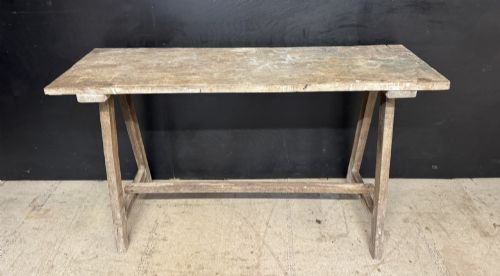
When you search for a vintage wood working bench, you are looking at heavy utility furniture designed for practical trade work rather than formal display. These pieces originate primarily from the nineteenth century, reflecting the robust construction methods of historical workshops and industrial spaces.
The selection here includes authentic artisan workbenches equipped with original vices alongside related workshop furniture like watchmakers tables and butchers blocks. Pine, oak, elm, and beech appear frequently, often paired with cast iron or iron components to ensure stability.
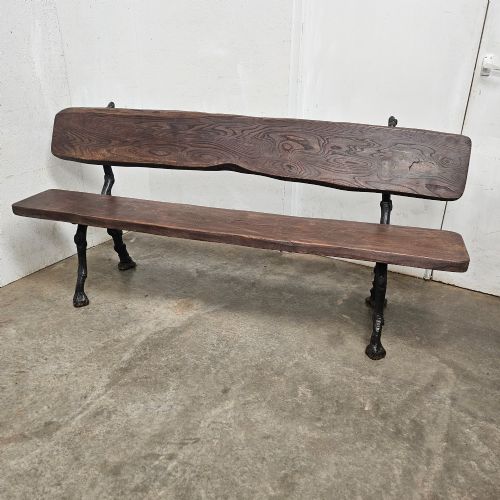
French provincial and rustic country styles dominate the current listings, offering substantial timber surfaces bearing the scars of past labour. You are most likely to meet substantial wooden tables with integrated vices and thick tops that show decades of honest use.
Materials and construction methods
Makers built these benches using dense hardwoods like oak, elm, beech, and sycamore for the working surfaces, supported by sturdy pine or heavier timber frames. These traditional timbers provided the necessary mass and resilience to withstand heavy pounding and planing.
Functional metalwork was essential to the design, incorporating cast iron, iron, and brass for vices, screws, and structural bracing. These mechanical elements were forged to endure rigorous daily employment in carpentry and artisanal trades.
Vintage Wood Working Bench Retail Price Guide 2026
Typical asking prices for vintage wood working bench among the pieces listed under this phrase on Sellingantiques today, from the lower quarter to the upper quarter. They describe what is for sale here now, not the wider market.
Assessing quality and authenticity
Quality in a vintage wood working bench lies in the integrity of the original construction and the depth of the patination earned through genuine work. Pieces that retain their working vices and original wooden screws demonstrate superior craftsmanship compared to heavily altered examples.
The choice of timber significantly affects the character of the piece, with dense grain configurations in elm and oak indicating a higher grade of workshop furniture. The balance between the massive timber top and the supporting trestle or frame determines the overall stability and proportion.
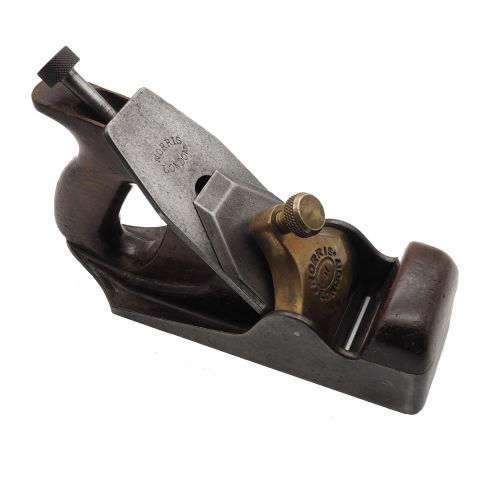
Norris London·Trussant & Cie
The Vintage Wood Working Bench Glossary
- Vice
- A mechanical screw apparatus attached to the bench to secure timber firmly during sawing or planing operations. This component is central to the utility of the bench.
- Trestle table
- A table featuring a horizontal beam supported by two flared legs or frames at each end. This construction allows for maximum legroom and structural load capacity.
- Butchers block
- A thick wooden table used for food preparation, constructed from end-grain timber blocks. They share the heavy-duty utilitarian ethos of workshop benches.
- Patina
- The surface sheen and colour developed through years of handling, polishing, and natural ageing. It serves as a visual record of the history of the object.
Vintage Wood Working Bench: Frequently Asked Questions
What is a vintage wood working bench used for today?
These robust surfaces now serve widely as kitchen islands, console tables, or statement desks in residential and commercial interiors. Their generous proportions and historical patination provide both practical workspace and striking visual anchor points.
Owners often repurpose the integrated vices and lower shelves for storage or display, blending historical workshop utility with contemporary interior design.
How do I clean and maintain an old wooden bench?
Preserving the surface requires simple dusting and occasional treatment with natural beeswax or hardening oils to nourish the dry timber. Avoid harsh chemical cleaners that strip away the accumulated patination and historical character.
Keeping the piece away from direct heat sources prevents the dense hardwoods from splitting while maintaining the stability of the traditional joinery.
Are these benches heavy to move?
Solid timber construction combined with cast iron hardware makes these pieces exceptionally heavy and stable. Moving them typically requires two people and careful planning around tight doorways.
Their substantial weight was originally engineered to prevent movement during heavy planing, which translates today to a permanent, grounded presence in a room.
How can I tell the period of a workbench?
Nineteenth-century examples display hand-cut joinery, forged iron hardware, and timber surfaces shaped by hand tools rather than modern machinery. Details such as stamped maker plates or specific regional French framing styles help narrow down the date.
Examining the wear patterns around the primary work areas reveals how previous artisans interacted with the structure over generations.