
Vintage Wood Wall Mirror
A vintage wood wall mirror brings warmth and depth to a room through carved timber, giltwood and aged glass.
Vintage Wood Wall Mirror
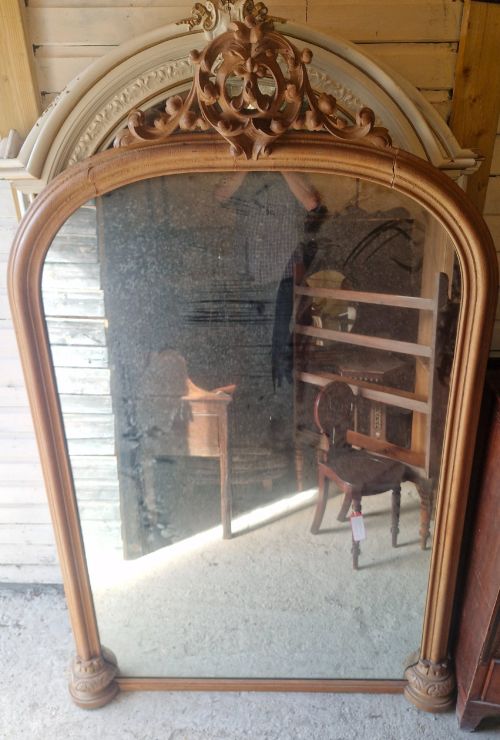
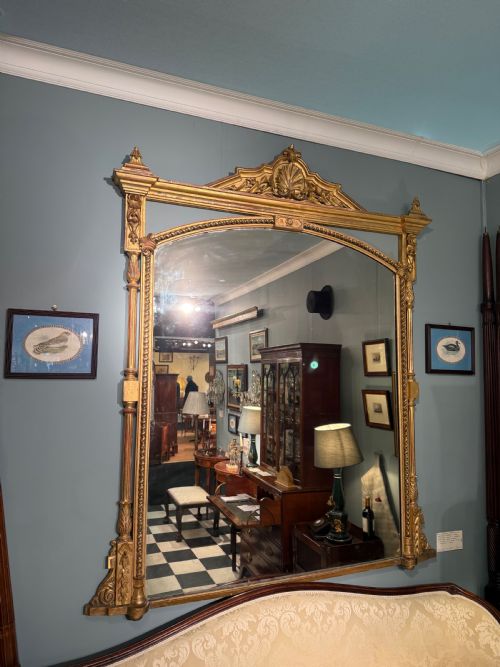
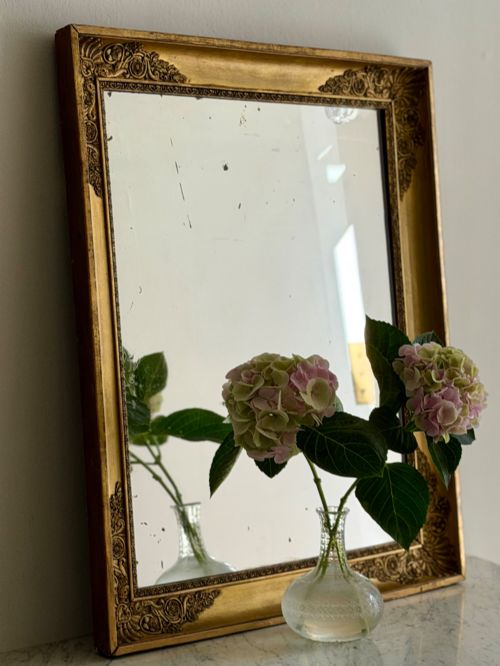
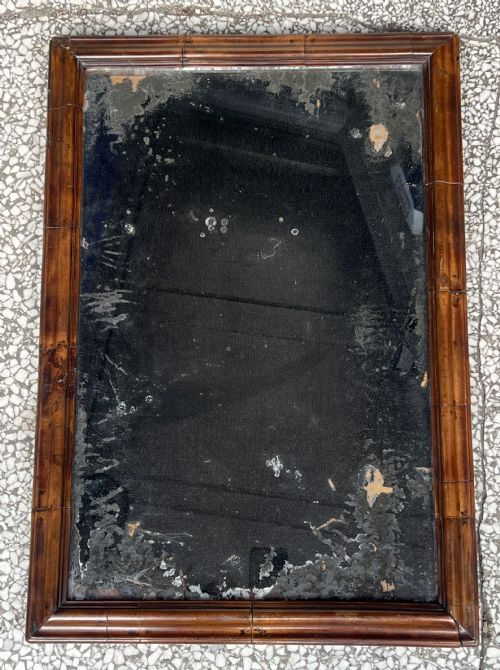
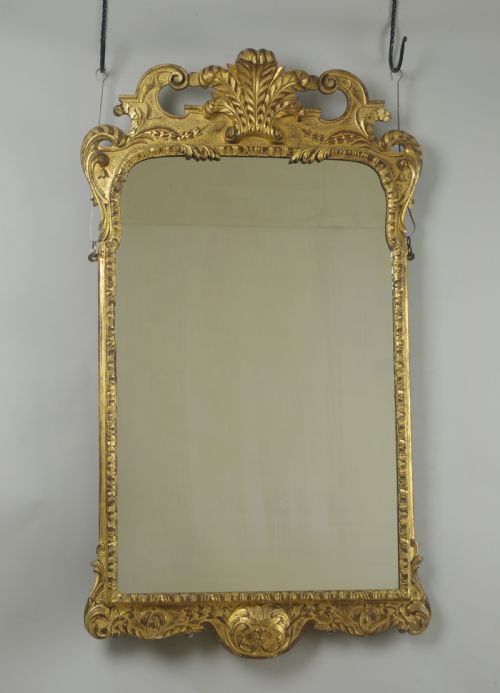
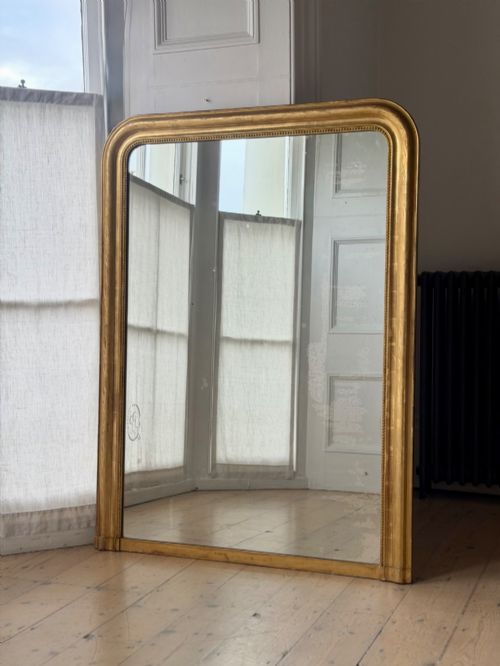
A vintage wood wall mirror functions as both a practical looking glass and a decorative anchor for a room, appearing in forms ranging from simple domestic frames to grand architectural overmantels. When exploring a vintage wood wall mirror selection, buyers encounter pieces spanning multiple centuries, from austere Georgian mahogany to ornate French Rococo and gilded nineteenth-century designs.
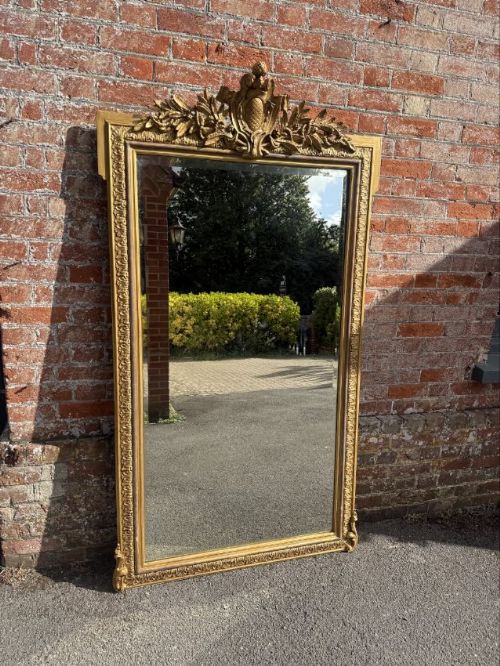
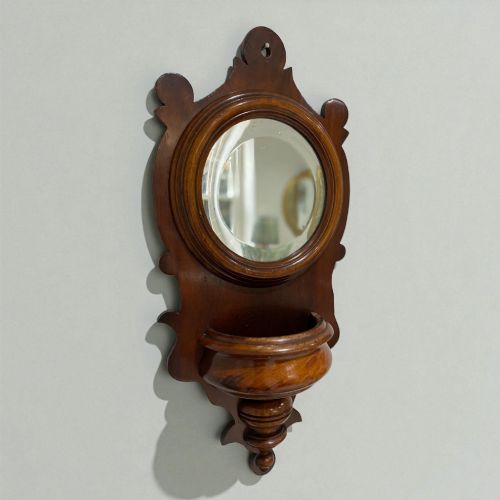
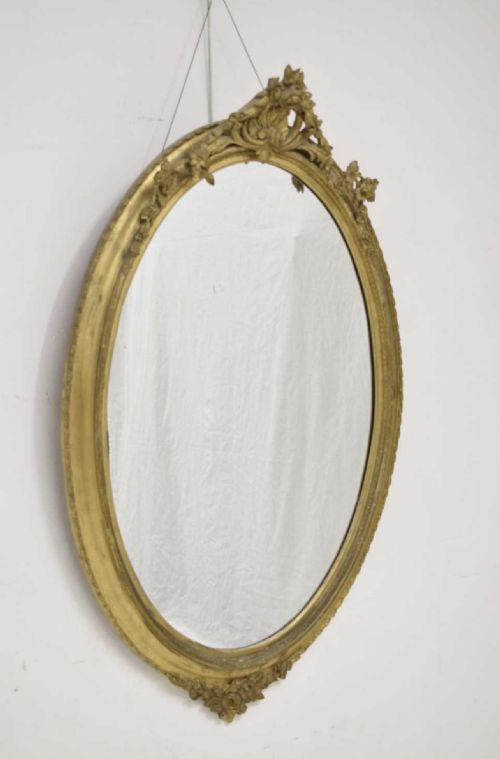
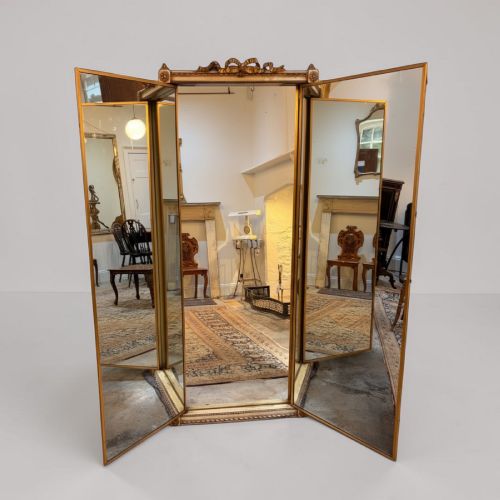
The inventory demonstrates substantial variety in scale and origin, encompassing tall French pier mirrors, carved oak country house frames, and compact Edwardian hallway glass. Domestic woods such as oak, walnut, and mahogany sit alongside heavily gilt gesso and carved timber constructions designed for formal reception rooms.
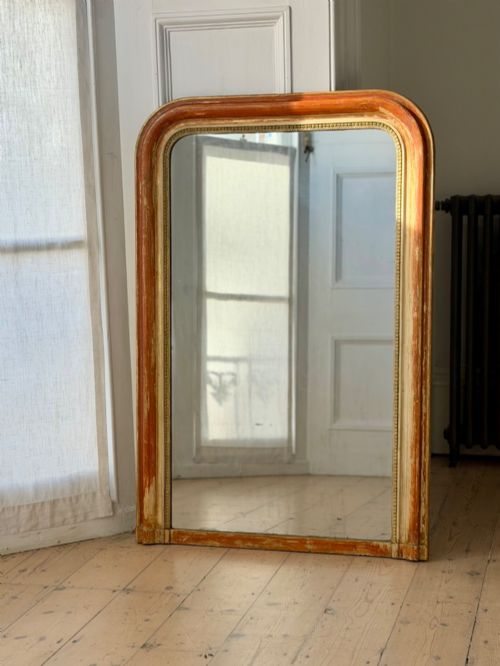
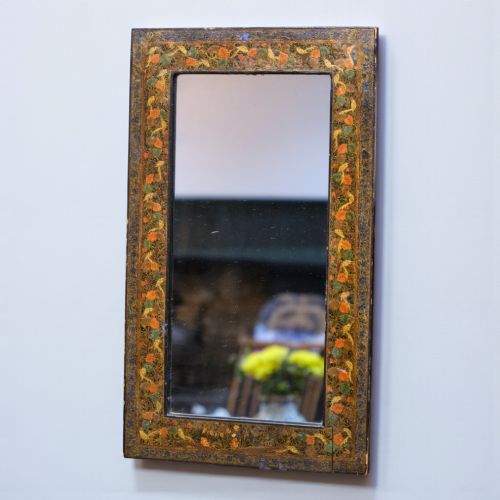
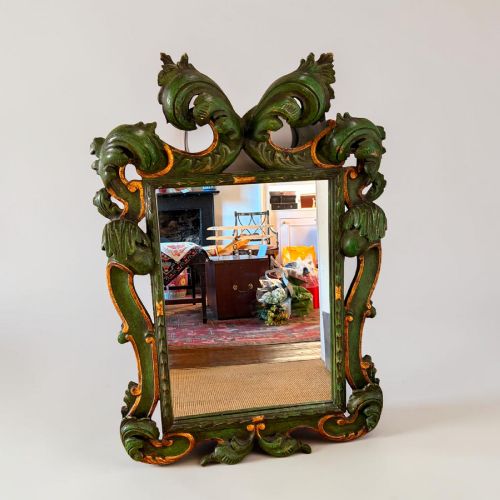
Regional variations shape the selection significantly, with continental examples often featuring painted finishes or olive green accents, while British pieces favour traditional fretwork and figured timber grains. Whether selecting a small oval dressing mirror or an expansive overmantel, the focus remains on authentic period construction and original framing.
Materials and construction methods
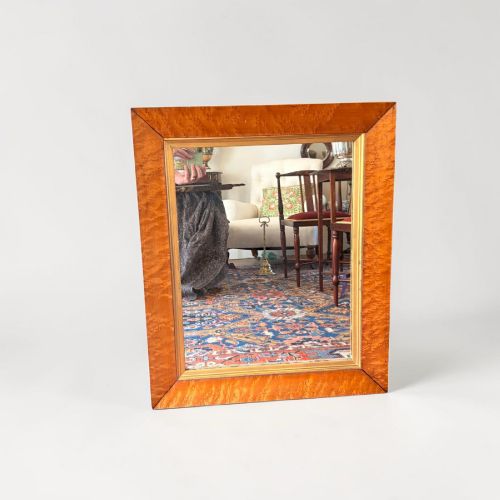
Makers constructed these frames using solid timber foundations of oak, mahogany, walnut, and maple, frequently joined with traditional corner mitres and reinforced backing boards. Carved decorative elements often relied on applied gesso moulded over timber to achieve intricate floral, ribbon, or scroll motifs.
Gilding was applied using thin layers of gold leaf over preparation layers, whilst other surfaces relied on clear polish to highlight the natural grain of the wood. Glass plates were traditionally hand-silvered or bevelled, occasionally retaining foxed spots and minor surface irregularities accumulated over decades of use.
A proud spread eagle surveys the room from the crest of a convex nineteenth-century giltwood mirror.
Distinguishing quality in period frames
Quality in a carved frame rests upon the crispness and depth of the hand-carving rather than the mere presence of surface ornament, with superior pieces showing sharp undercut details in the wood or gesso. The integrity of the original gilt surface or timber finish dictates the visual impact, separating carefully preserved examples from heavily restored or stripped items.
Structural soundness is visible in the stability of the mitred joints and the thickness of the original backing timber, which prevents warping over long periods. The relationship between the glass plate and the frame matters greatly, as original bevelled or mercury glass plates that fit snugly within the rebate indicate high-standard workshop assembly.
Waring and Gillow
The Vintage Wood Wall Mirror Glossary
- Giltwood
- Timber that has been coated with thin gold leaf over a prepared base layer. This finish appears frequently on formal eighteenth and nineteenth-century decorative frames.
- Gesso
- A plaster-like mixture applied to wood frames and carved or moulded into intricate decorative patterns before gilding. It provides the raised relief seen on ornate mirrors.
- Overmantel Mirror
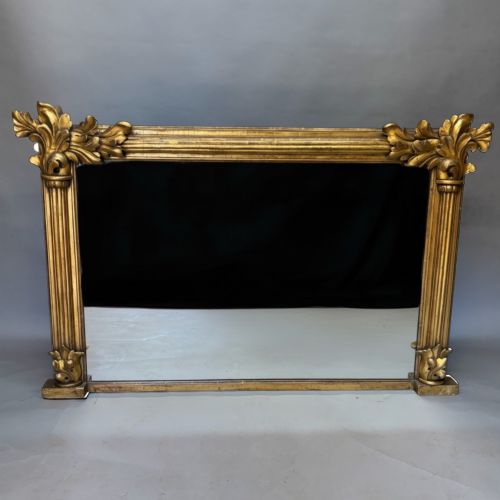
- A large mirror specifically designed to hang above a fireplace mantelpiece. These pieces often feature horizontal proportions suited to architectural chimney breasts.
- Pier Mirror
- A tall, narrow mirror designed to hang on the wall space between two windows. They frequently incorporate painted panels or lower console arrangements.
- Foxed Glass
- Mirror glass displaying dark spots and age-related oxidation within the silvering layer. Collectors value this characteristic as evidence of genuine antique age.
- Trumeau
- A decorative wall mirror incorporating a painted or carved panel above the glass plate. Originating in French interior design, these pieces extend vertically to command a wall.
Vintage Wood Wall Mirror: Frequently Asked Questions
Can I clean foxed mirror glass?
Cleaning antique mirror glass requires gentle maintenance using a soft, lint-free cloth and mild, non-ammonia cleaning solutions applied sparingly. Moisture must be prevented from seeping behind the glass plate, as liquid trapped against the backing can accelerate the deterioration of the silvering.
Oxidation spots and foxing are permanent chemical changes within the glass rather than surface dirt. Attempting to scrub these aged characteristics away will damage the remaining silver layer irreparably.
How do I identify the period of a wood frame?
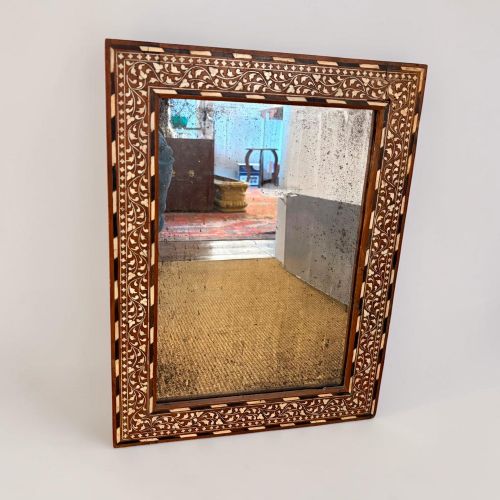
Dating a wood frame involves examining the timber species, joinery techniques on the reverse, and the specific decorative motifs carved into the gesso or wood. Georgian pieces often display rich mahogany with subtle parcel gilding, while Victorian examples frequently show heavier cast gesso and ornate floral crests.
Nail types, backing boards, and the bevel style of the glass plate provide further chronological clues. Comparing the overall proportion and stylistic vocabulary against established design periods confirms the likely era of manufacture.
Where should I place a large wall mirror?
Positioning a large mirror opposite a window maximises natural light distribution and creates an illusion of expanded space within smaller rooms. Placing an overmantel mirror above a fireplace establishes a traditional focal point that draws the eye upward and balances the proportions of the interior.
Heavy traffic areas near doors should be avoided to prevent accidental impacts against protruding frames. Maintaining adequate clearance above furniture ensures the mirror anchors the surrounding decor harmoniously.