





Vintage Wood Waiter
A vintage wood waiter brings practical tiered serving and period charm to a room, holding drinks or dishes with steady grace.
Vintage Wood Waiter
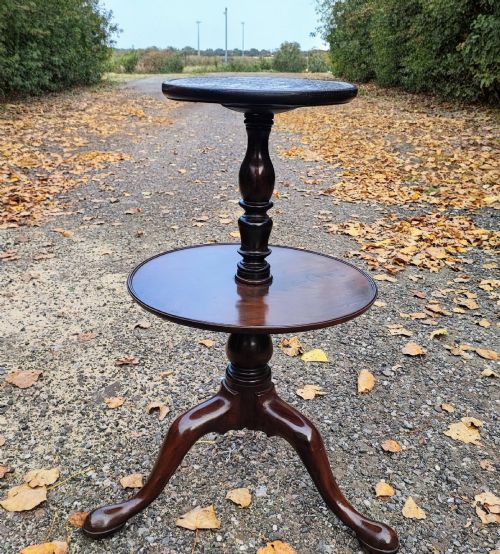
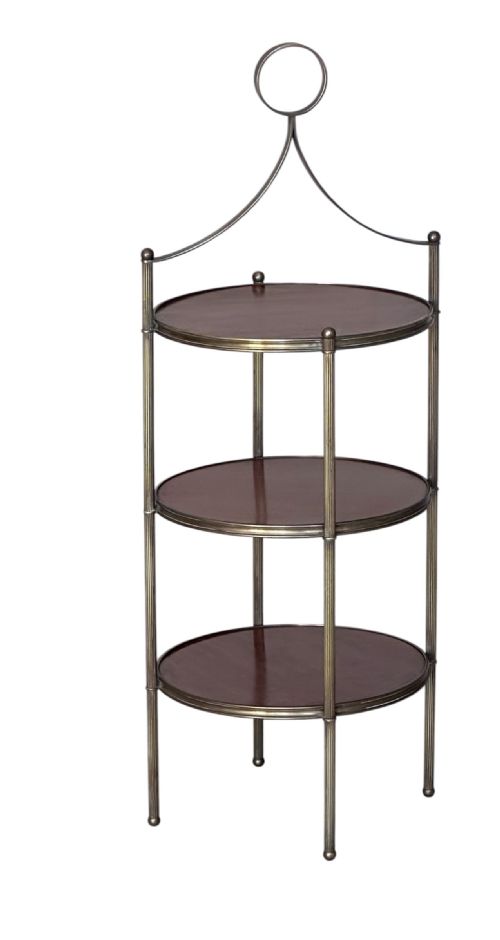
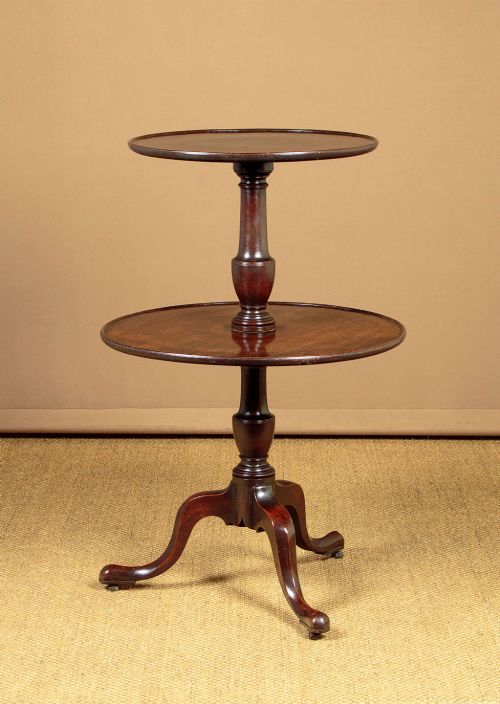
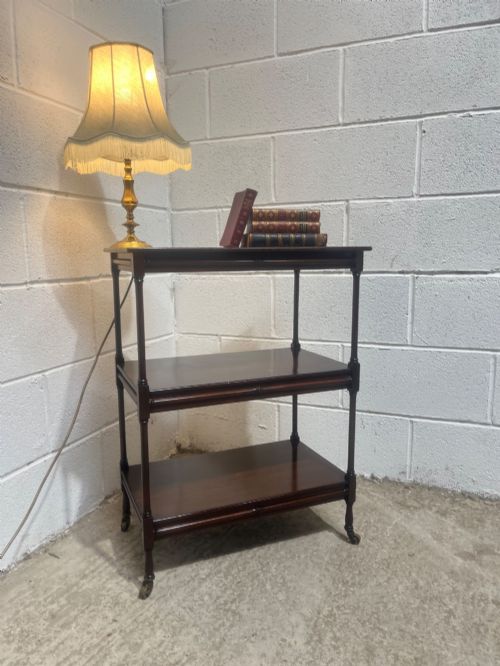
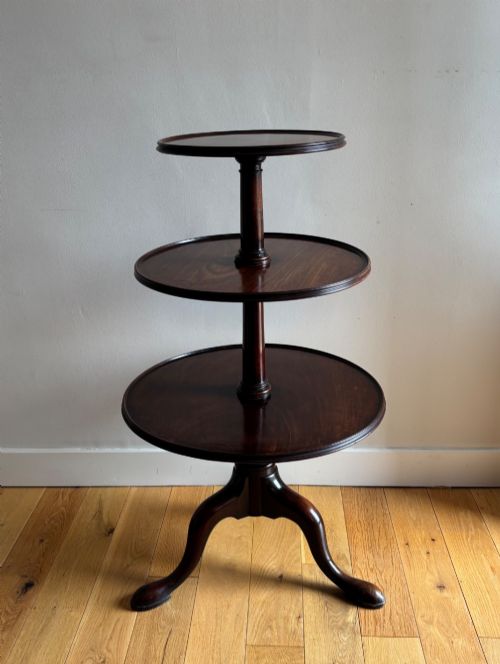
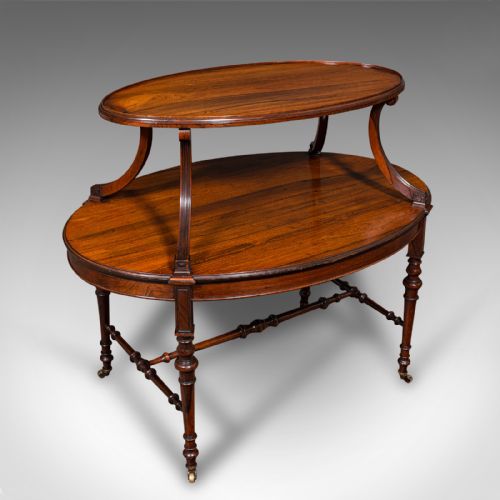
When you search for a vintage wood waiter, you encounter tiered serving pieces designed to hold food, drinks, or small items in dining and living spaces. These items span periods from the Georgian era through the Victorian and Edwardian years, reflecting changing domestic habits.
The most common forms on this page include multi-tiered dumb waiters, revolving lazy susans, and folding cake stands. Mahogany predominates among the surviving pieces, often shaped into circular tiers or supported by robust central columns.
Originating primarily from English workshops, these items served practical dining roles before transitioning into decorative display furniture. Their tiered structures allow for efficient use of floor space while providing ample surface area.
How they were made
Cabinet makers constructed these pieces predominantly using solid and veneered mahogany, frequently accented with satinwood inlay or boxwood stringing. Brass castors, hinges, and pivoting mechanisms provided functional mobility and movement to the multi-tiered designs.
Turning and joinery formed the backbone of construction, particularly for the central pillars and tiered circular trays found on dumb waiters and cake stands. Carved details appeared on select examples, adding texture to the edges and supports.
Vintage Wood Waiter Retail Price Guide 2026
Typical asking prices for vintage wood waiter among the pieces listed under this phrase on Sellingantiques today, from the lower quarter to the upper quarter. They describe what is for sale here now, not the wider market.
Some antique dumb waiters double happily as card butlers, ready to hold your hand while you ponder the next move.
What varies in quality
The sophistication of the timber selection and the precision of the turning set superior examples apart from standard utility pieces. Rich grain patterns in the mahogany and refined proportions signal higher workshop standards.
Mechanical integrity in rotating tiers, folding mechanisms, and adjustable heights distinguishes finer creations. Original brass hardware and tight, clean joinery indicate careful initial manufacture and respectful subsequent upkeep.
Gillows
The Vintage Wood Waiter Glossary
- Dumb waiter
- A freestanding tiered stand used for holding dishes or drinks without requiring a human servant at the table. These pieces often feature graduating circular shelves revolving around a central pillar.
- Lazy susan
- A revolving tray or tiered stand allowing items to be easily reached from multiple seating positions. Versions in the listings incorporate rotating wooden platforms on sturdy pedestals.
- Satinwood inlay
- A decorative technique inserting contrasting light-toned wood into darker mahogany surfaces to form geometric or floral patterns. This method enhances the visual depth of tabletop edges.
- Tiered stand
- Furniture constructed with multiple levels stacked vertically to maximise display or storage capacity. Examples here range from folding cake stands to multi-shelf serving tables.
Vintage Wood Waiter: Frequently Asked Questions
What is a vintage wood waiter used for?
These items serve as auxiliary tables for holding drinks, afternoon tea, or serving dishes during meals.
In modern rooms, they function well as display stands for plants, books, or collections.
How do I care for mahogany surfaces?
Dust the timber regularly with a soft, dry cloth to prevent surface grit accumulation.
Apply natural beeswax occasionally to nourish the wood and maintain its subtle sheen.
Can these stands be folded away?
Certain cake stands and smaller serving tables feature folding tiers or collapsible frames for compact storage.
Dumb waiters and revolving stands generally maintain a fixed, rigid pillar construction.
How do I identify a Georgian piece?
Georgian items display heavier proportions, rich dark mahogany, and traditional hand-turned central columns.
Construction details like hand-cut dovetails and period brass fittings help confirm the age.