





Vintage Wood Rocker
These vintage wood rocker selections span robust Windsor forms and delicate bentwood designs made for smooth motion.
Vintage Wood Rocker
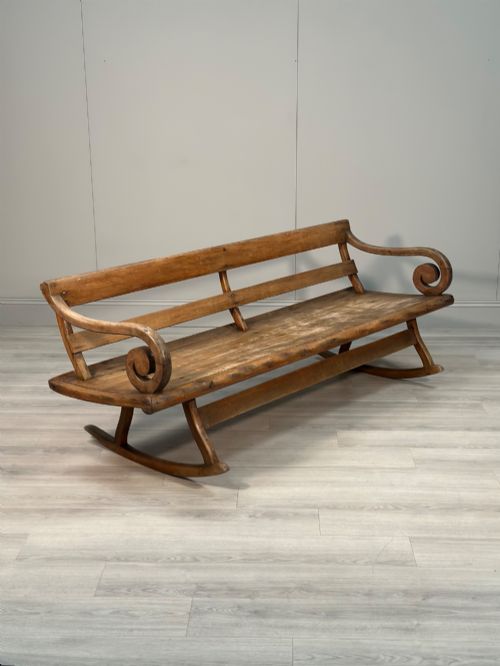
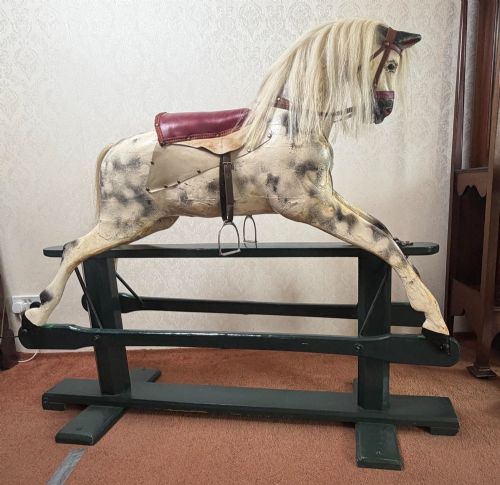
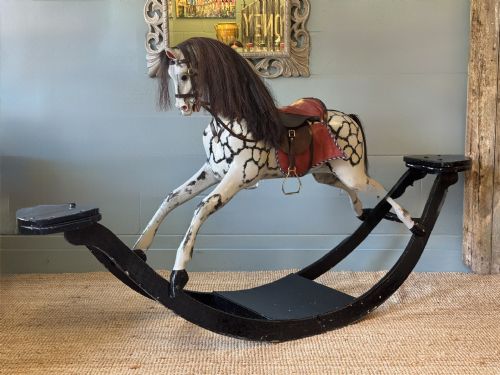
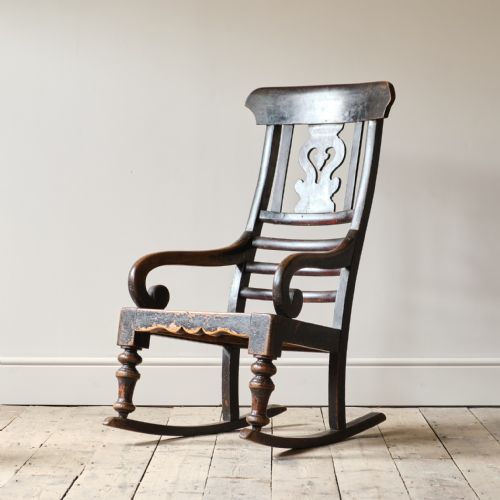
A vintage wood rocker encompasses seating and children's items built to move on curved wooden bases, drawing from centuries of carpentry traditions. Buyers encounter various forms on this page, ranging from full-sized fireside armchairs to miniature children's versions and rocking horses.
The selections span distinct periods including the Victorian and Edwardian eras, alongside rustic country vernacular styles. Oak, beech, elm and fruitwood provide the structural integrity for these pieces, reflecting regional British and continental European craftsmanship.
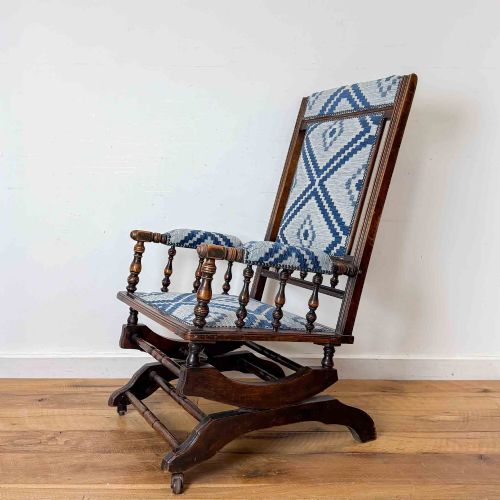
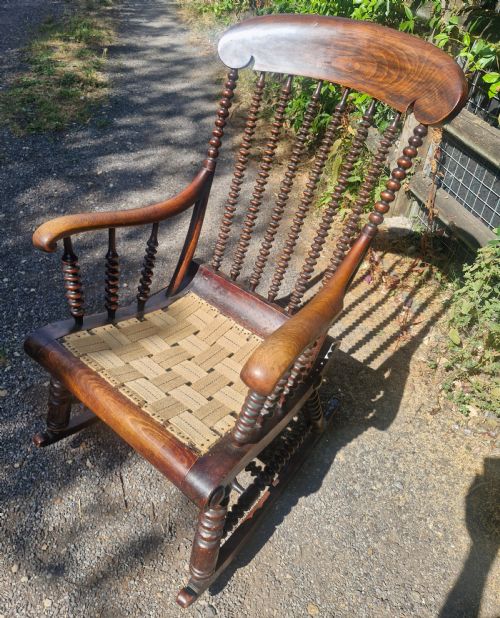
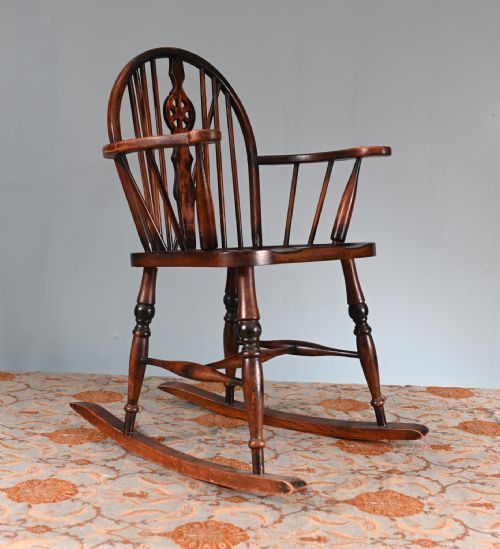
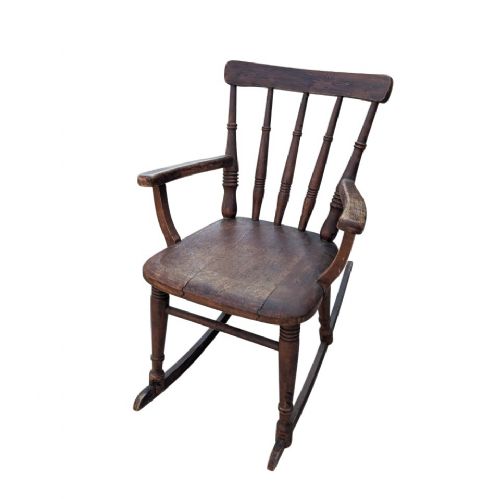
Seating dominates the offerings, featuring traditional Windsor spindles, ladder backs and bobbin framing alongside bentwood masterpieces. Alongside chairs, the inventory includes occasional cradles, small cribs and decorative desk accessories mounted on rockers.
Assessing quality in a vintage wood rocker
Quality rests in the balance of the proportions and the integrity of the original construction rather than mere decorative flourish. Pieces retaining their original painted surfaces, patinated timber finish or early upholstery show superior historical preservation.
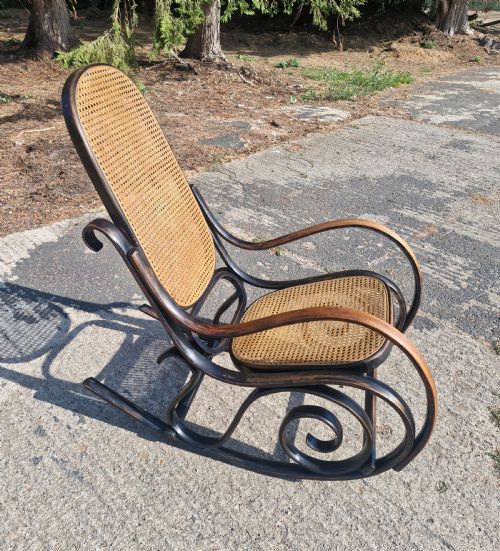
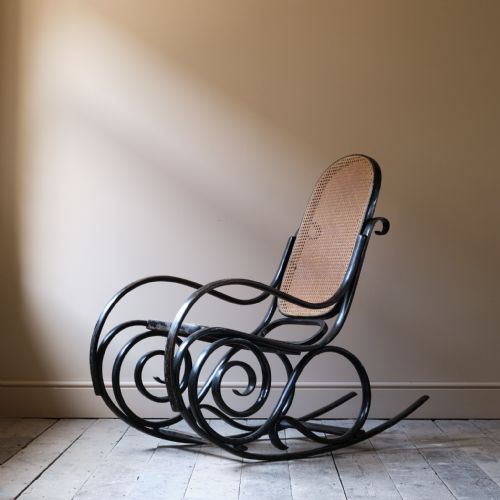
The fluidity of steam-bent components and the tightness of traditional spindle joints dictate the structural success of the piece. Makers such as Thonet or Kohn achieved remarkable precision in bentwood frameworks that distinguishes them from simpler workshop builds.
Vintage Wood Rocker Retail Price Guide 2026
Typical asking prices for vintage wood rocker among the pieces listed under this phrase on Sellingantiques today, from the lower quarter to the upper quarter. They describe what is for sale here now, not the wider market.
Listings feature items built from beech, oak, elm, fruitwood, cane, rush, leather and fabric across the 18th, 19th and 20th centuries.
Jacob and Josef Kohn·G and J Lines of London·Thonet
The Vintage Wood Rocker Glossary
- Bentwood
- Wood shaped by applying steam to make it pliable before pressing it into curved forms. This technique created lightweight, durable frames for chairs during the nineteenth century.
- Windsor
- A chair built with a solid wooden seat into which the legs and back spindles are directly bored. These traditional seats often feature wheelback or comb-back designs.
- Vernacular
- Everyday objects made by local craftspeople using regional materials and traditional designs rather than high-style academic blueprints. These pieces reflect local rural building habits.
- Bobbin
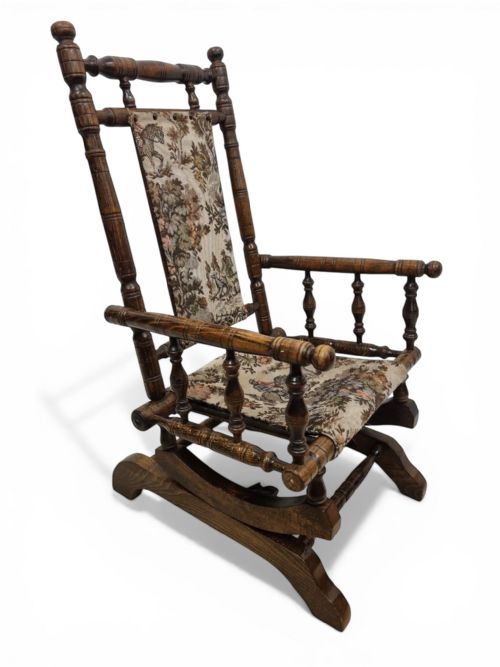
- Furniture framing turned on a lathe to resemble a series of wooden reels or bobbins joined end to end. This decorative turning method appeared frequently on nineteenth-century seating.
- Faux bamboo
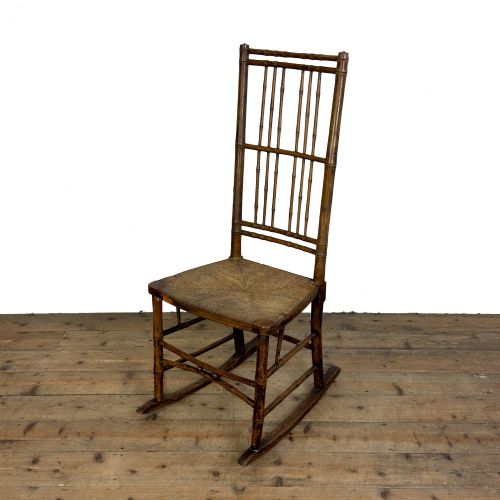
- Wood carved, turned or painted to imitate the segmented stalks of natural bamboo. Victorian makers utilised this decorative finish to satisfy an interest in exotic materials.
Vintage Wood Rocker: Frequently Asked Questions
How do I date a vintage wood rocker?
Dating relies on identifying specific construction methods, timber choices and stylistic markers like Victorian upholstery or Edwardian bentwood shaping. Examining the joinery and tool marks helps separate nineteenth-century workshop pieces from later twentieth-century reproductions.
Changes in turning styles and seat shaping also offer clues to the decade of origin. Comparing the piece against known regional Windsor or continental bentwood examples clarifies its chronological place.
What woods were used for these rockers?
Carpenters selected strong local timbers capable of handling the constant stress of movement. Beech, oak, elm and fruitwood appeared most frequently in British and European workshops.
Softer woods like beech accepted steam-bending readily, while heavy oak and elm provided rigid strength for country Windsor chairs. Occasional pieces utilised exotic hardwoods or painted finishes to mimic luxury materials.
Were all rockers meant for adults?
Makers produced numerous small rockers specifically for children, nurseries and low fireside seating. Miniature armchairs, cradles and children's rocking horses formed a substantial part of historical production.
Low nursing chairs were also built with short legs and rocking bases to assist mothers with infants. These smaller proportions require careful measurement when integrating them into modern living spaces.
How do I care for an antique rocker?
Protect the timber by keeping the rocker away from direct heat sources and sudden humidity changes that cause wood to crack. Regular application of a gentle beeswax polish maintains the natural patina without building up harmful residue.
Check the joints and rocker feet periodically to ensure the historical fixings remain stable under regular motion. Avoid harsh chemical cleaners that strip original paint or aged surface finishes.