


Vintage Wood Rack
A vintage wood rack serves a practical domestic role while bringing tangible period character to hallways and boot rooms.
Vintage Wood Rack
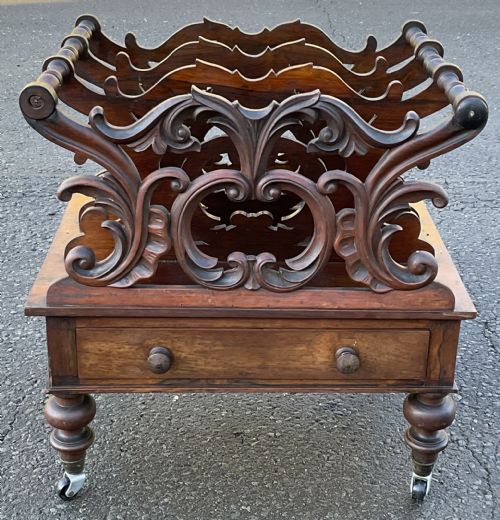
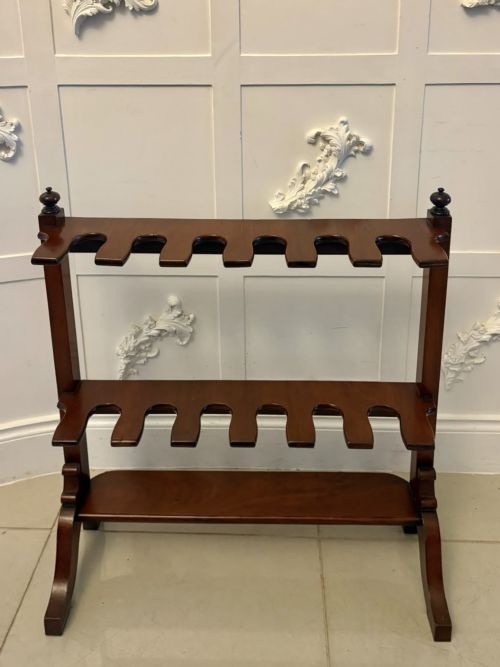
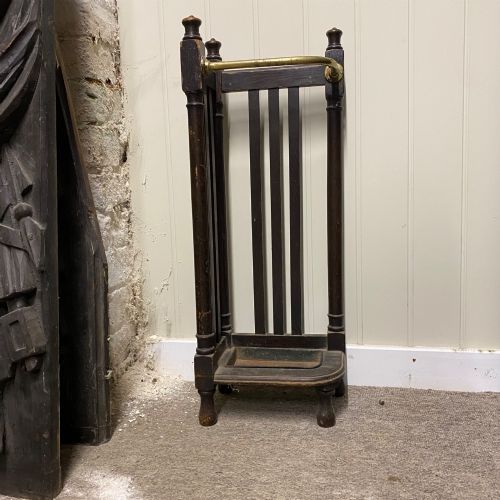
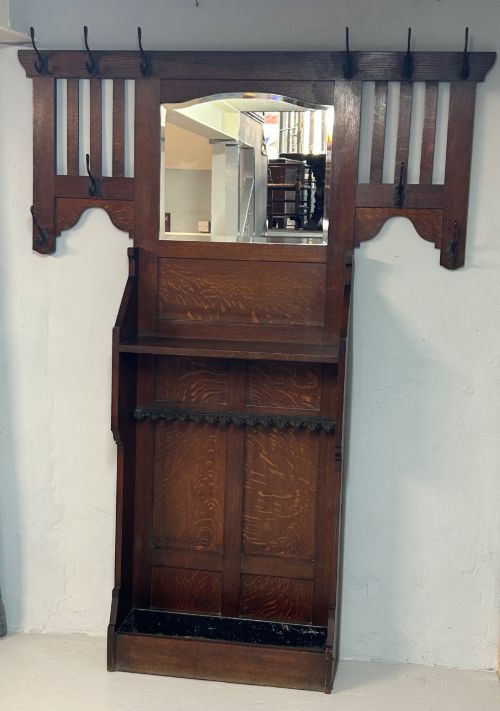
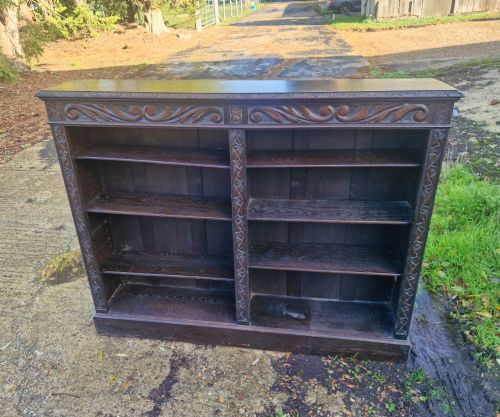
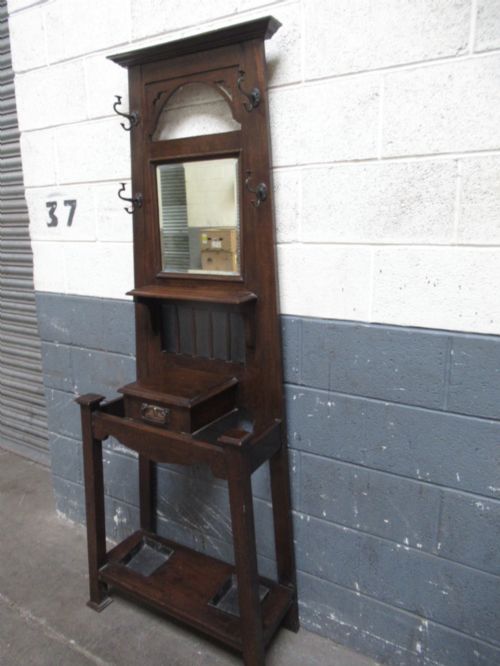
A vintage wood rack encompasses functional items such as wall-mounted coat hooks, freestanding hall stands, luggage stands, and umbrella holders originating from the nineteenth and early twentieth centuries. Pieces spanning the Victorian and Edwardian eras predominate on this page, alongside sturdy oak and mahogany examples from the nineteen-twenties.
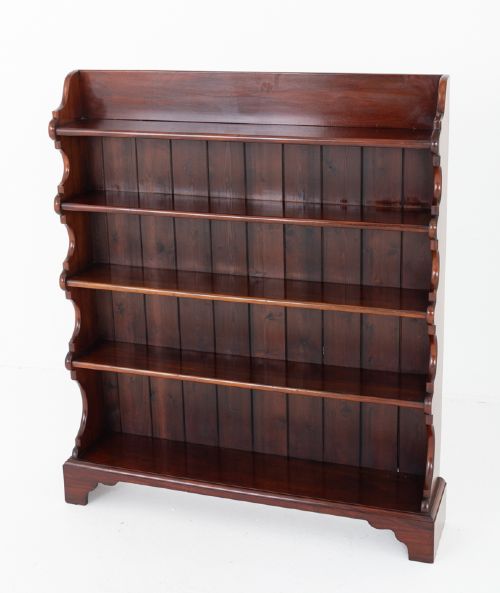
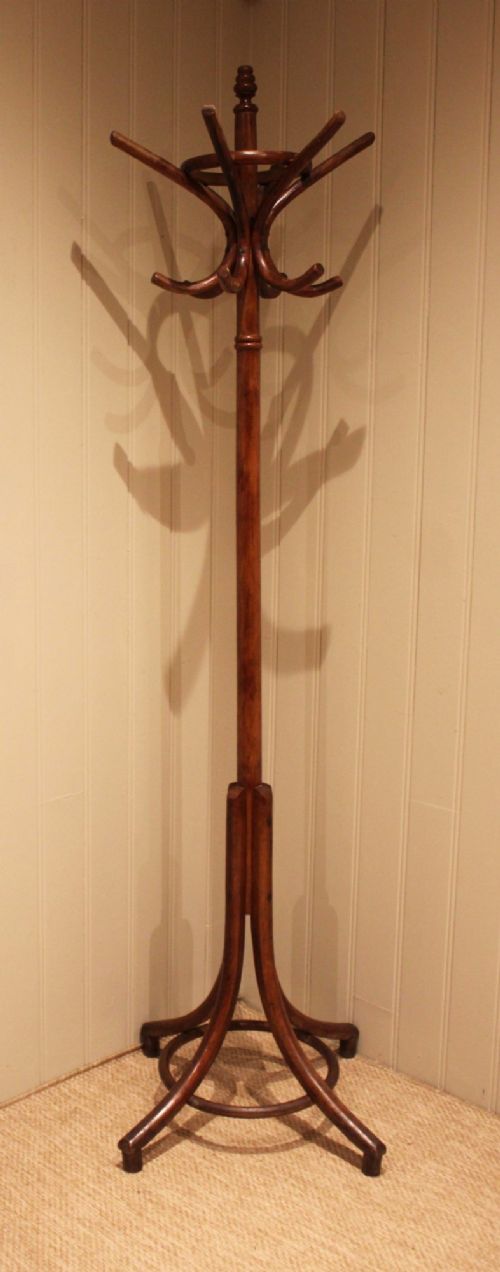
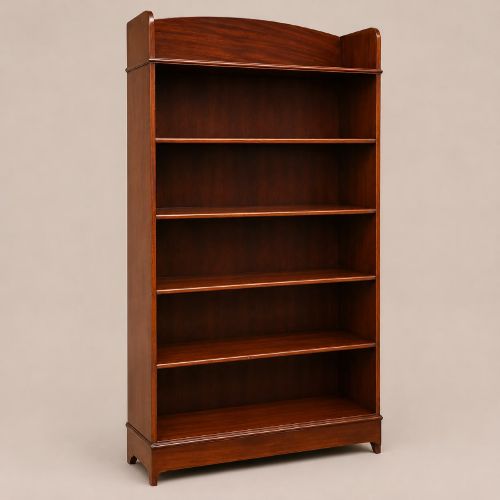
Buyers encounter utilitarian hall furniture alongside refined domestic accessories, ranging from bentwood hat stands to inlaid mahogany wall shelves and slatted luggage stands. These items reflect the specific organisational needs of period interiors, particularly for entrance halls, dressing rooms, and boot rooms.
Materials and construction
Makers utilised dependable domestic and imported timbers, notably oak, mahogany, walnut, pine, and beech, frequently combined with brass fixtures, iron brackets, or ceramic elements. Solid timber construction predominated, augmented by steam-bent techniques for curved forms like bentwood hat stands and specialised jointing methods for folding luggage stands.
Surface treatments range from simple polished finishes on hardwood to ebonised oak surfaces and decorative faux bamboo turning. Metal components such as brass coat hooks or iron wall brackets were selected for durability under daily loads.
Vintage Wood Rack Retail Price Guide 2026
Typical asking prices for vintage wood rack among the pieces listed under this phrase on Sellingantiques today, from the lower quarter to the upper quarter. They describe what is for sale here now, not the wider market.
Distinguishing quality
Quality rests in the integrity of the timber selection and the retention of original functional hardware, such as cast brass hooks or authentic folding mechanisms. Superior examples display clean joinery, balanced proportions, and minimal timber replacement over decades of domestic service.
Lesser items show excessive structural wear, lost pegs, or unsympathetic modern repairs that compromise the stability of weight-bearing rails and umbrella wells. The finest pieces combine robust utility with refined decorative details like inlaid banding or turned spindles.
Brown & Lamont
The Vintage Wood Rack Glossary
- Bentwood
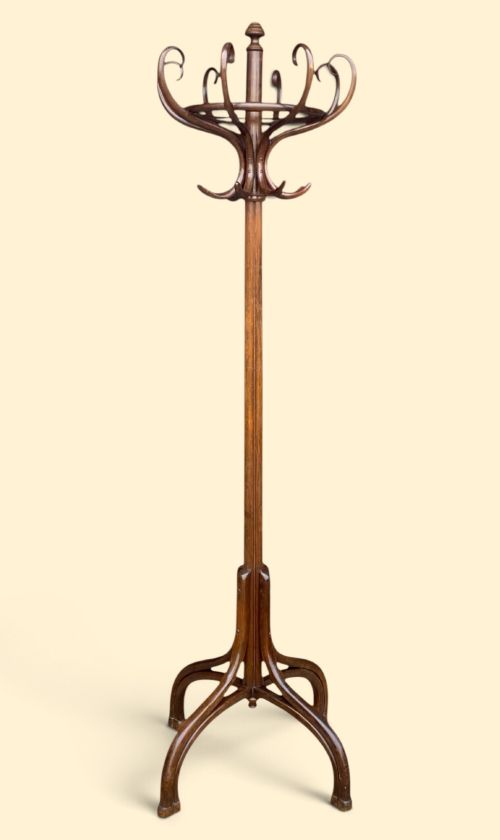
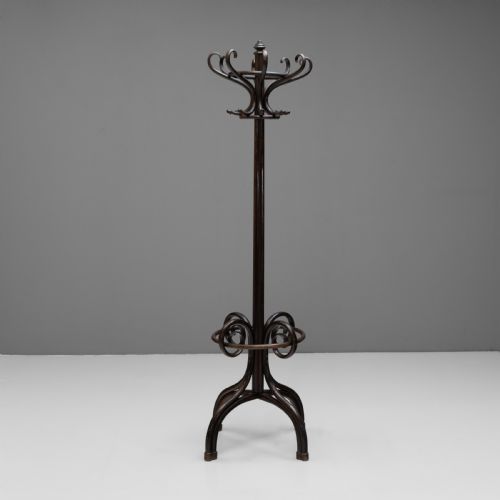
- Timber softened by steam and bent into curved structural forms. This technique created lightweight yet resilient frames for late nineteenth-century hat and coat stands.
- Hall stand
- A composite hallway furnishing combining coat hooks, a mirror, glove drawers, and an umbrella well. These freestanding pieces managed outerwear in traditional entrance spaces.
- Luggage stand
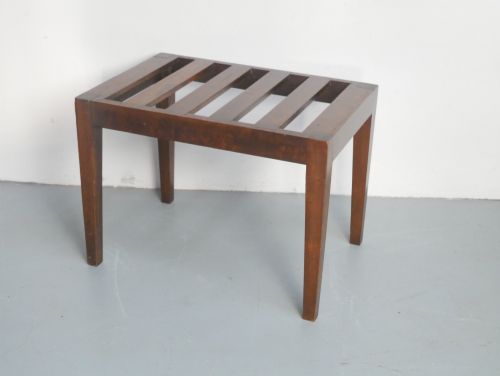
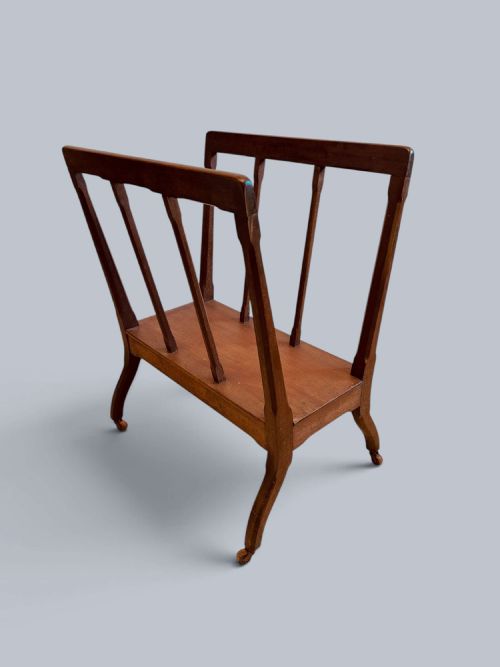
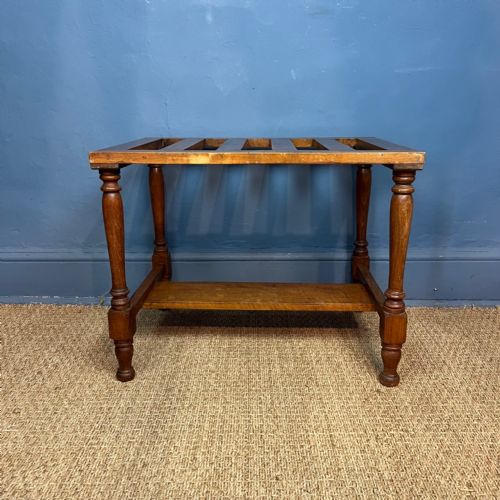
- A low folding or rigid wooden frame designed to support a travel trunk or case at a convenient height. They frequently feature slatted wooden tops and sturdy stretcher bases.
- Faux bamboo
- Wood turned and carved to imitate natural bamboo stalks. This decorative finish gained popularity during the nineteenth century under French and English influence.
- Umbrella stand
- A dedicated receptacle for walking sticks and wet umbrellas, usually incorporating a metal drip tray at the base. Materials typically include oak, mahogany, or iron.
Vintage Wood Rack: Frequently Asked Questions
Where should I place a vintage wood rack?
These items suit entrance halls, boot rooms, and bedrooms where guests and residents manage coats, hats, and luggage.
Freestanding umbrella and hall stands require adequate floor space near an entrance, while wall-mounted coat racks function best secured directly to wall studs.
How do I care for antique wood furniture?
Maintain the timber by applying traditional beeswax periodically to nourish the surface and prevent the wood from drying out.
Avoid placing these items near direct heat sources or in damp areas, which can cause timber warping and loosen glued joints.
Are these racks sturdy enough for daily use?
Most pieces were constructed for heavy domestic service using hardwoods like oak and mahogany, making them entirely suitable for modern coats and bags.
Checking the joints and wall fixings before loading ensures the framework handles daily weight without structural strain.
How do I distinguish Victorian from Edwardian pieces?
Victorian examples tend to feature darker, heavier timbers, robust turnings, and sometimes ebonised finishes with decorative brass or ceramic hooks.
Edwardian designs often display lighter mahogany or oak tones, sometimes incorporating inlaid stringing or simplified silhouettes reflecting changing domestic fashions.