

Vintage Wood Plinths
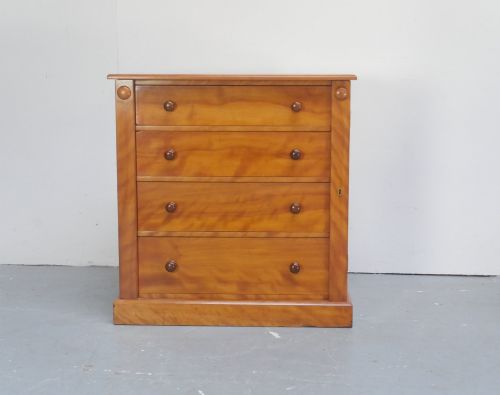
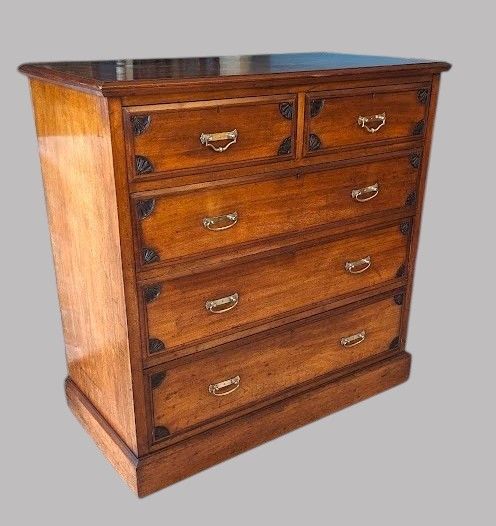
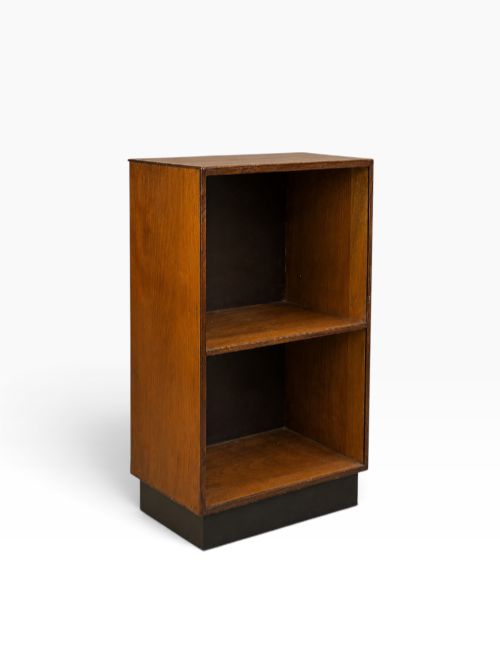
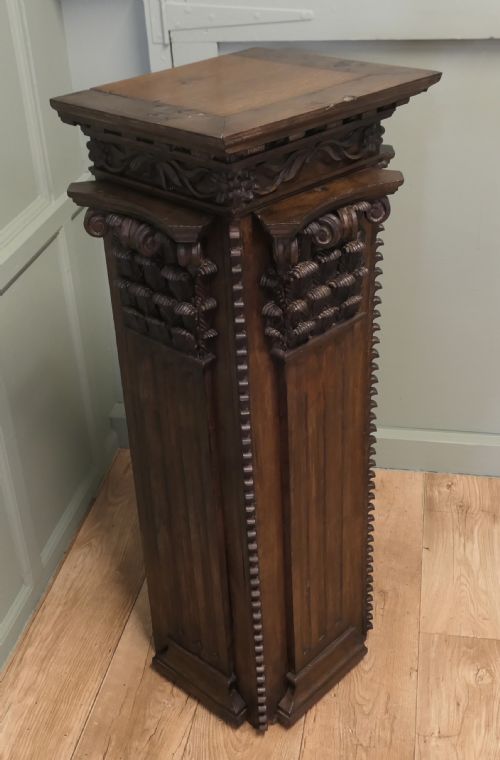
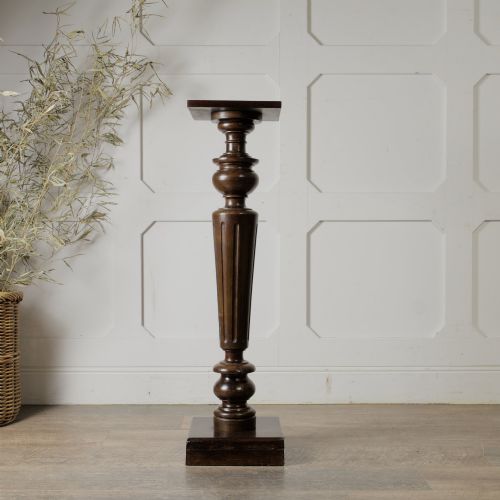
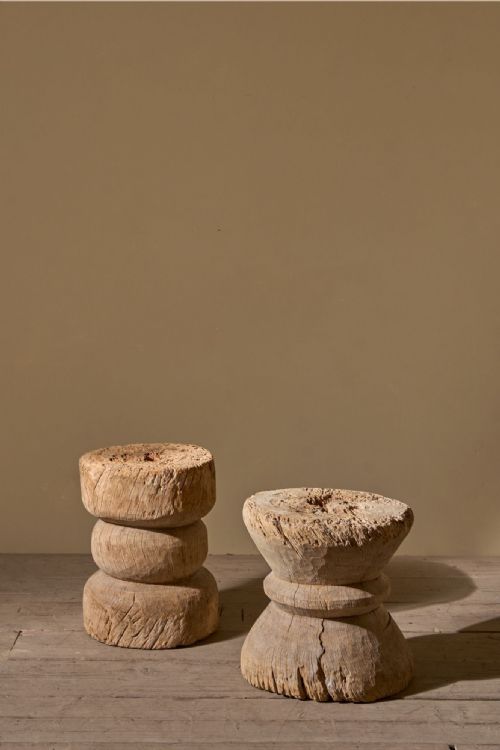
These vintage wood plinths provide sturdy, elevated display surfaces for sculpture, clocks and decorative objects.
Vintage Wood Plinths
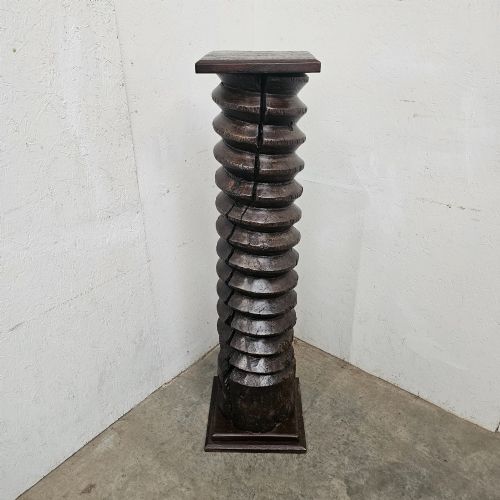
When you search for vintage wood plinths, you encounter architectural display stands designed to elevate decorative objects, urns, and sculptures within a room. These pieces range from cylindrical sculpture stands and turned timber pedestals to classical columns carved in oak and painted finishes.
The selections span the nineteenth and twentieth centuries, including Victorian, Edwardian, and Art Deco interpretations. Many items derive from specific furniture forms like pedestals, torcheres, and display columns, reflecting diverse historical revival styles from French Renaissance to rustic farmhouse aesthetics.
How they were made
Maker construction relies heavily on solid timber and structural veneers, predominantly utilising mahogany, oak, pine, and chestnut. Craftsmen shaped these materials through turning on lathes, hand carving, and joining timber sections to bear vertical weight securely.
Surface finishes include ebonised treatments, gilded highlights, French polishing, and painted decoration over wood substrates. Structural integrity depended on dense hardwoods capable of supporting heavy bronze, marble, or ceramic items placed upon the top surface.
Vintage Wood Plinths Retail Price Guide 2026
Typical asking prices for vintage wood plinths among the pieces listed under this phrase on Sellingantiques today, from the lower quarter to the upper quarter. They describe what is for sale here now, not the wider market.
What varies in quality
Quality differences stem from the selection of timber and the precision of the joinery and turning. Superior examples display carefully figured grain patterns, such as flame mahogany or walnut, paired with crisp hand-carved detailing that remains sharp and well-defined.
The stability of the base and the trueness of the column shaft separate standard utility stands from finer decorative commissions. Heavier construction and balanced proportions ensure that tall display columns support loads safely without leaning or rocking.
Paul Garnier·Mawer & Stephenson
The Vintage Wood Plinths Glossary
- Plinth
- A heavy base or lower block supporting a statue, column, or vase. In furniture terms, it forms the solid ground-level foundation of a cabinet or display stand.
- Pedestal
- An upright architectural support or stand used to elevate an urn, bust, or decorative object. These structures often feature a square or circular top with a shaped shaft.
- Torchere
- A tall ornamental stand or candlestick originally intended to hold a light source. Later examples function primarily as display pedestals for small sculptures and floral arrangements.
- Ebonised
- Wood finished with a dark stain or black lacquer to imitate ebony. This technique gained popularity during the nineteenth century for display furniture and decorative accessories.
- Column
- A vertical pillar supporting weight, comprising a base, shaft, and capital. Decorative wood versions serve as standalone display pedestals in domestic interiors.
Vintage Wood Plinths: Frequently Asked Questions
What is a wood plinth used for?
These stands elevate sculptures, urns, and decorative objects to optimal viewing heights within a room. They create a distinct focal point for individual display pieces.
Historically, they also served as architectural supports for lighting devices and heavy ornamentation, protecting delicate floor surfaces while adding vertical presence to interior spaces.
How do I date a wooden pedestal?
Dating relies on observing the timber species, construction techniques, and stylistic decorative motifs present on the piece. Nineteenth-century examples often utilise solid mahogany or ebonised wood with hand-turned profiles.
Later twentieth-century versions introduce alternative woods like ash and walnut, alongside simplified geometric shapes associated with Art Deco design periods.
Are these stands strong enough for heavy marble?
Solid hardwood construction provides the necessary load-bearing capacity for heavy decorative items, including marble sculptures and bronze figures. Dense timbers like mahogany and oak resist compression under sustained weight.
Stability also depends on the width of the base relative to the height of the column, ensuring the entire structure remains balanced when loaded.
Where should I place a display pedestal?
Pedestals suit corners, entrance halls, and perimeter walls where vertical display elements draw the eye upward. Placing them away from active walkways prevents accidental tipping of top-heavy objects.
Matching the wood tone to surrounding furniture helps integrate the standalone display piece into the existing interior design scheme.