



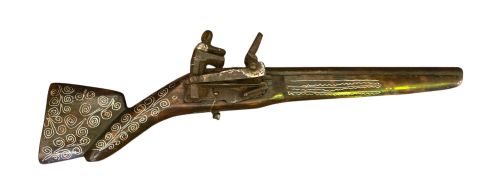
Vintage Wood Lock
These vintage wood lock items combine mechanical ingenuity with cabinet-making, offering secure storage housed in period timbers.
Vintage Wood Lock
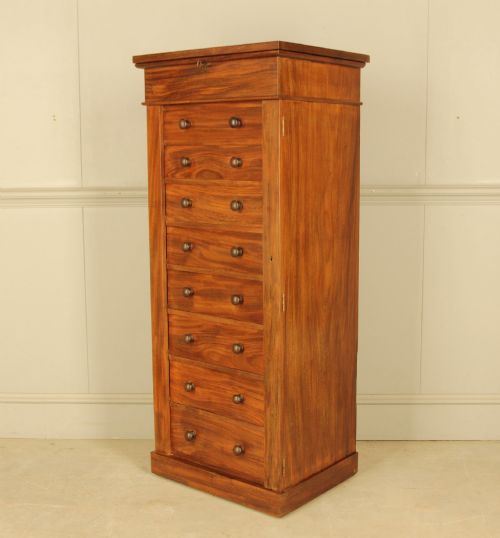
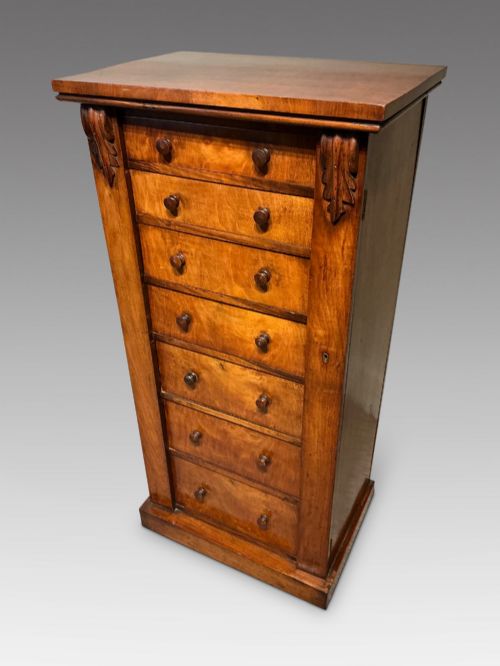
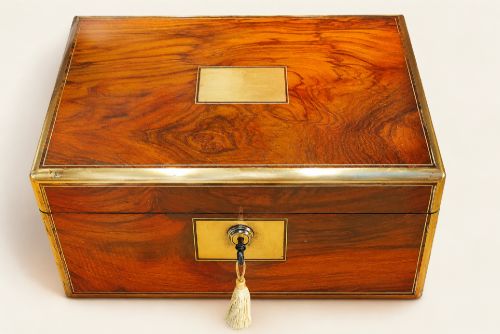
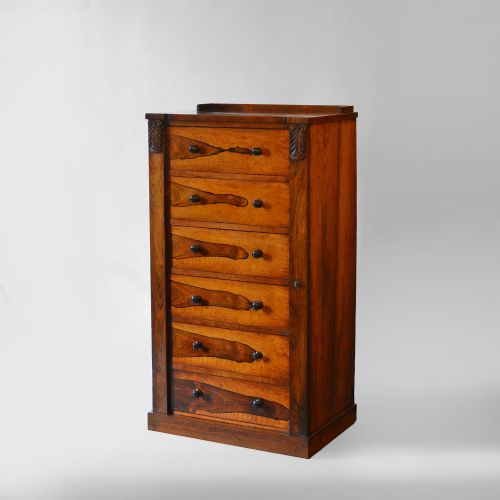
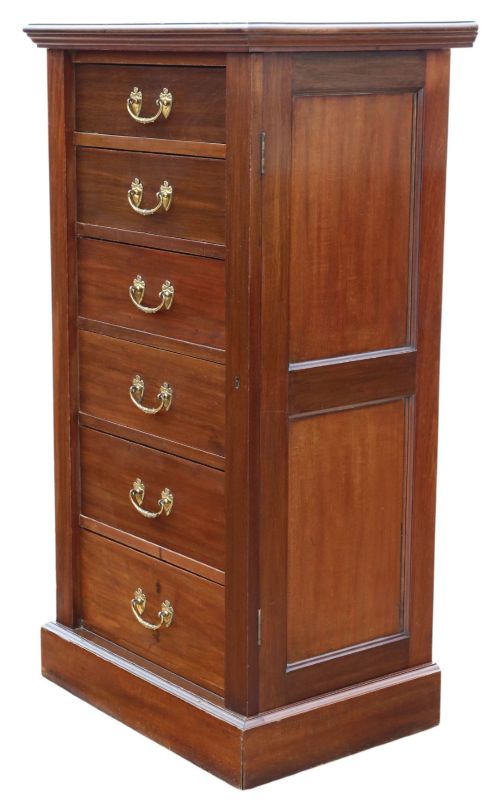
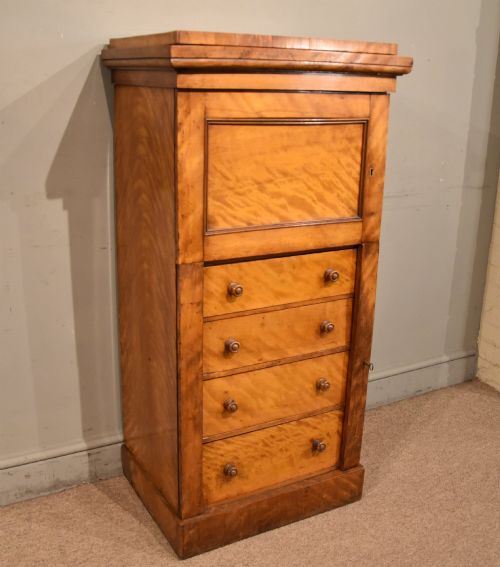
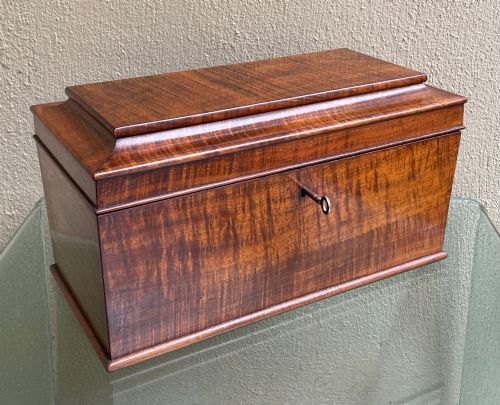
When searching for a vintage wood lock, buyers encounter storage furniture and boxes secured with functional locking mechanisms, predominantly represented here by Wellington chests, tea caddies, desks, and strong boxes.
The selection spans periods from the 18th century through the Victorian and Edwardian eras, utilising dense hardwoods like mahogany, walnut, oak, and satinbirch.
Most pieces function as private repositories, incorporating hidden drawers, drop-fronts, or hinged lids alongside their primary locking mechanisms.
Materials and construction methods
Cabinet-makers constructed these pieces using solid hardwoods and decorative veneers such as mahogany, walnut, and coromandel over robust carcases.
Internal locking mechanisms integrate brass, steel, and iron components, often fitted flush into timber housings with custom escutcheons.
Vintage Wood Lock Retail Price Guide 2026
Typical asking prices for vintage wood lock among the pieces listed under this phrase on Sellingantiques today, from the lower quarter to the upper quarter. They describe what is for sale here now, not the wider market.
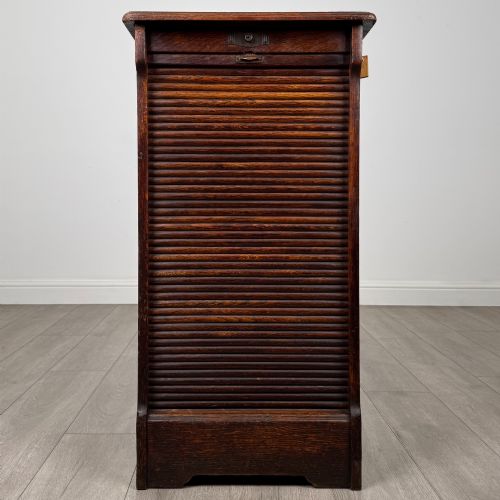
The furniture forms include Wellington chests, tambour cabinets, tea caddies, sideboards, and strong boxes fitted with metal locks.
Factors influencing overall quality
Superior examples demonstrate precision in the joinery of the timber housing and the smooth operation of the internal locking bolt.
The refinement of the brass hardware and the preservation of the original operational key distinguish the finest items in this category.
The Vintage Wood Lock Glossary
- Wellington chest
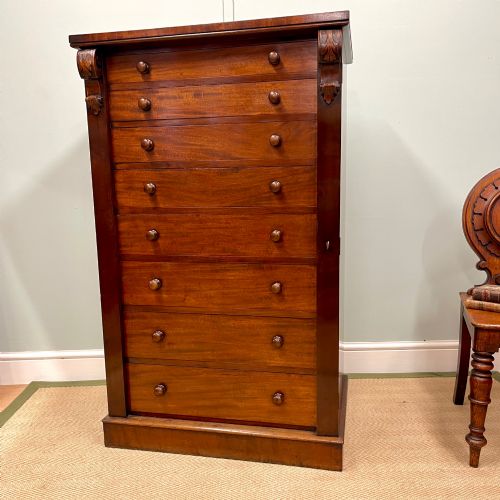
- A tall, narrow chest of drawers featuring a hinged locking flap on one side that secures all drawers simultaneously. This form originated in the early 19th century.
- Escutcheon
- A flat plate surrounding a keyhole that protects the surrounding wood from wear. It is typically cast from brass or iron.
- Tantalus
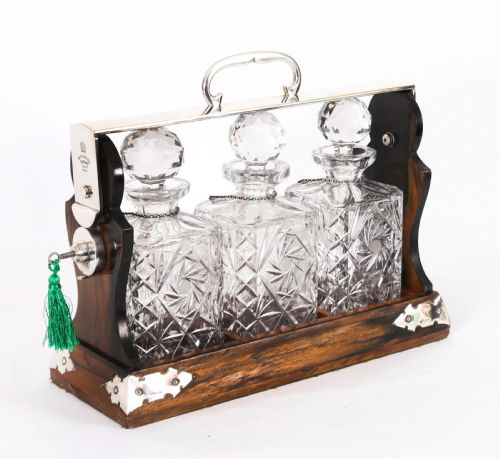
- A locked wooden stand holding decanters visible to the eye but prevented from removal without a key. Betjemann was a notable patent holder for this design.
- Coffer
- A heavy wooden strong box or chest used for secure storage of valuables. Early versions feature robust iron strapping and intricate locking plates.
- Tambour
- A sliding door constructed from narrow strips of wood glued to a canvas backing. It runs in tracks to conceal shelving or desk interiors.
Vintage Wood Lock: Frequently Asked Questions
How do Wellington chest locks work?
A locking stile on the right side swings open once the main key is turned, releasing the tongues that hold each individual drawer shut.
This mechanism allowed owners to secure an entire tower of drawers with a single turn of the key.
Are original keys common with these pieces?
Original keys remain uncommon because locks were frequently re-keyed or keys were misplaced over generations of domestic use.
Many surviving pieces retain period replacement keys that operate the original brass lever mechanisms.
What woods were used for these items?
Cabinet-makers utilised dense timbers such as mahogany, walnut, oak, and camphor wood to ensure structural stability and security.
Fine veneers like satin birch and coromandel were frequently applied to exterior surfaces for decorative contrast.
How should I maintain a vintage wood lock?
Internal iron and brass mechanisms require periodic cleaning and minimal lubrication to prevent binding within the timber housing.
Exterior wood surfaces benefit from traditional wax polishing to maintain moisture balance in the grain.