


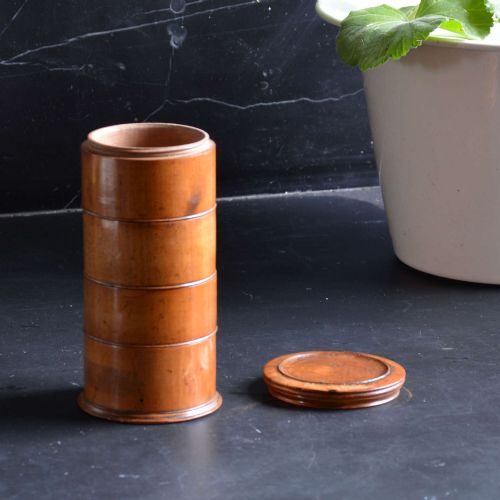


Vintage Wood Grinder
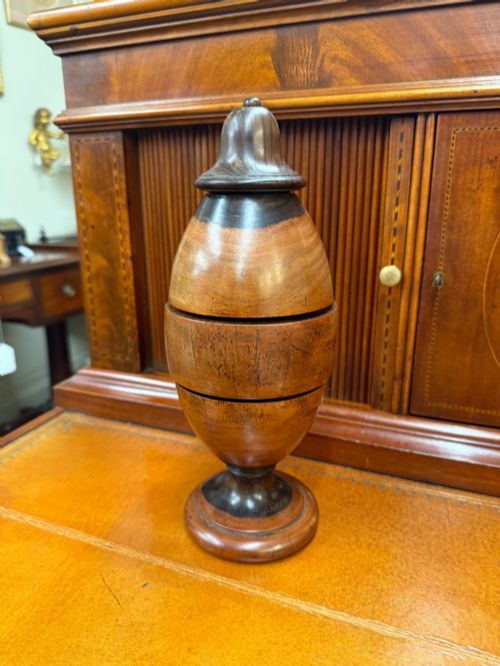
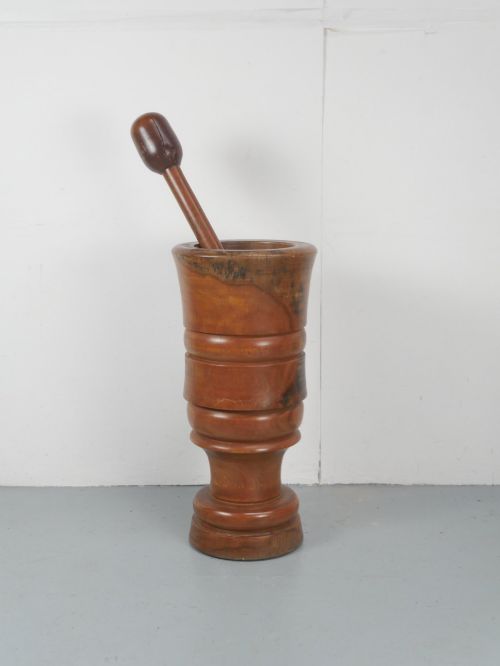
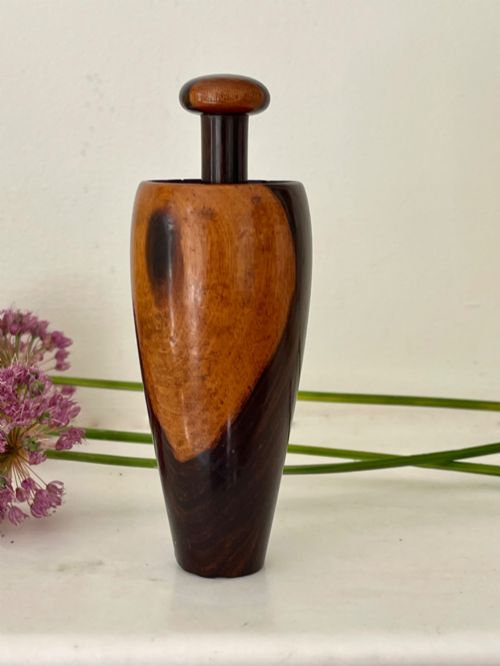
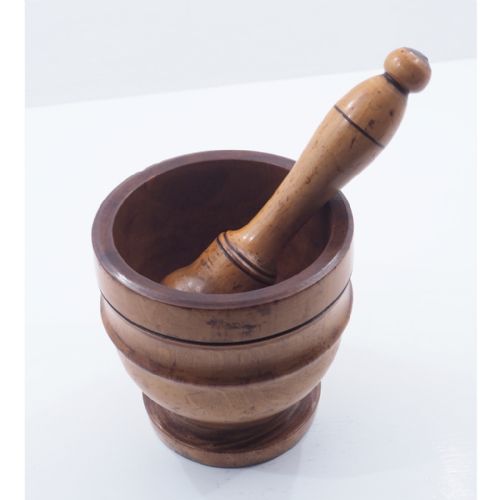
These vintage wood grinder pieces are traditional treen and apothecary items designed for crushing spices, herbs, and medicines.
Vintage Wood Grinder
A vintage wood grinder encompasses turned treen and apothecary mortars and pestles spanning from the seventeenth century through to the twentieth century. When exploring this selection, buyers encounter utilitarian kitchenalia and chemist equipment fashioned in various domestic and exotic timbers.
The objects take several distinct forms, ranging from sturdy rustic farmhouse mortars to compact Georgian spice towers and small snuff grinders. Hardwoods dominate the inventory, accompanied by occasional ceramic integration in Edwardian examples.
Pieces from the nineteenth century appear most frequently on this page, alongside earlier seventeenth-century items and examples dated specifically to nineteen twenty and nineteen thirty. The stylistic range moves between traditional treen, rustic European, and Victorian kitchen accessories.
Materials and construction methods
Turned wood defines the manufacture of these items, utilising dense timbers that withstand heavy impact and friction. Makers employed lathe-turning techniques to shape solid blocks of material into symmetrical bowls and matching pestles.
The evidence shows artisans working in lignum vitae, boxwood, olive wood, beech, walnut, and general hardwood. These materials offered the necessary weight and durability for kitchen and apothecary use.
Vintage Wood Grinder Retail Price Guide 2026
Typical asking prices for vintage wood grinder among the pieces listed under this phrase on Sellingantiques today, from the lower quarter to the upper quarter. They describe what is for sale here now, not the wider market.
Evaluating standard and craftsmanship
Quality rests in the precision of the turning and the density of the chosen timber. Heavier, tightly grained woods like lignum vitae represent a higher grade of execution compared to softer domestic utility woods.
Surface wear and the integrity of the tool's interior indicate the degree of actual use and the skill of the original artisan. Cleaner profile lines and well-balanced proportions separate finer decorative examples from utilitarian workshop tools.
The Vintage Wood Grinder Glossary
- Treen
- Small handmade wooden household objects. This term covers domestic items shaped by turning or carving.
- Mortar and pestle
- A bowl and heavy club used for grinding. The mortar receives the substance while the pestle crushes it.
- Lignum vitae
- A dense and heavy dark hardwood. Artisans valued this material for its exceptional strength and resistance to splitting.
- Spice tower
- A multi-tiered turned wooden container. These pieces held various spices in separate stacked compartments.
- Apothecary
- A practitioner who prepared and sold medicines. Their equipment included heavy mortars designed for pharmacists.
Vintage Wood Grinder: Frequently Asked Questions
What were vintage wood grinders used for?
These items served a practical function in kitchens and apothecary shops for pulverising dry goods, seeds, and medicinal ingredients.
Users relied on the heavy pestle to grind substances against the interior walls of the mortar until the desired consistency was achieved.
How do I date a turned wood mortar?
Dating relies on observing the turning profile, tool marks, timber choice, and overall style relative to known historical periods.
Earlier examples often display heavier proportions and dense timbers like lignum vitae, whereas later pieces incorporate stylistic elements from the Edwardian era or the nineteen twenties.
Are these grinders still usable today?
Many solid hardwood mortars remain structurally sound and capable of light culinary tasks.
Collectors generally preserve older treen pieces as display items to protect the aged timber and original surface patination.
What is the difference between treen and kitchenalia?
Treen specifically denotes small turned or carved wooden objects, focusing on the material and method of creation.
Kitchenalia is a broader term encompassing any utility equipment or culinary tools used in food preparation across various materials.