


Vintage Wood Bowl
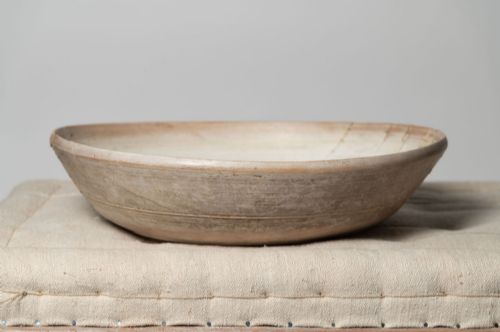
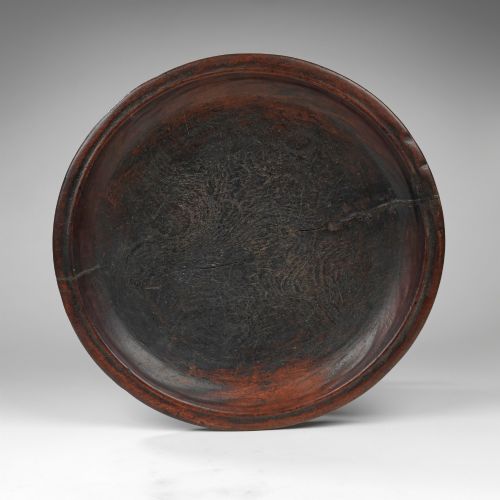
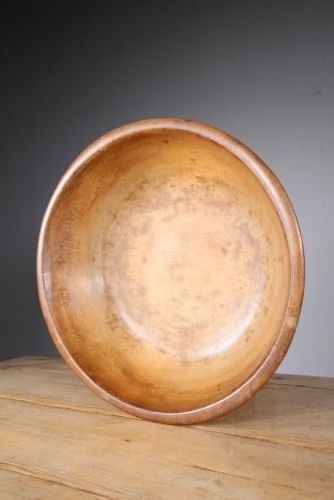
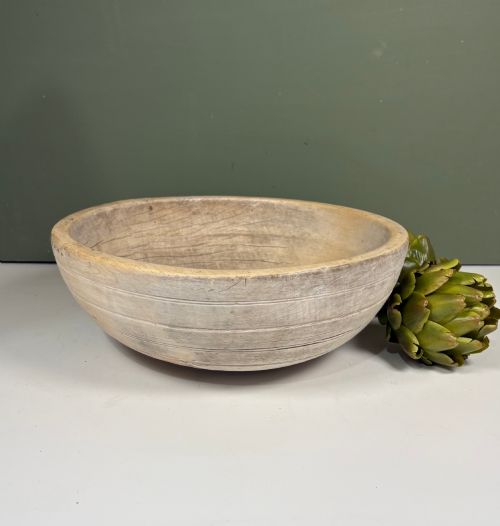
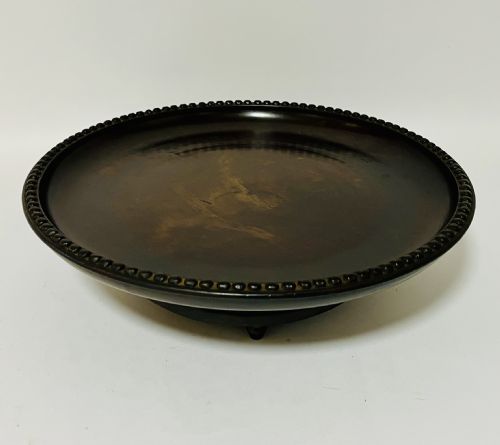
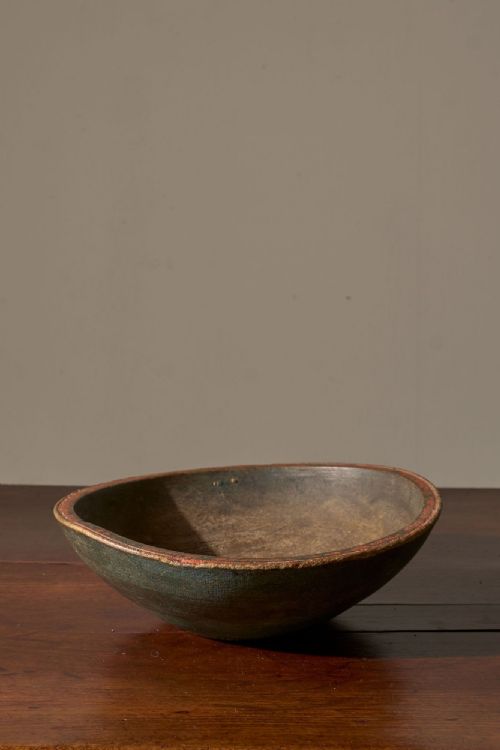
These are vintage wood bowl examples, solid vessels shaped for domestic labour or display that bring rich grain and deep history to a room.
Vintage Wood Bowl
When you search for a vintage wood bowl, you enter a field dominated by vernacular treen, dairy vessels, and farmhouse dough bowls. These utilitarian pieces span centuries, originating from British, Scandinavian, and European country workshops where timber was turned or carved for daily service.
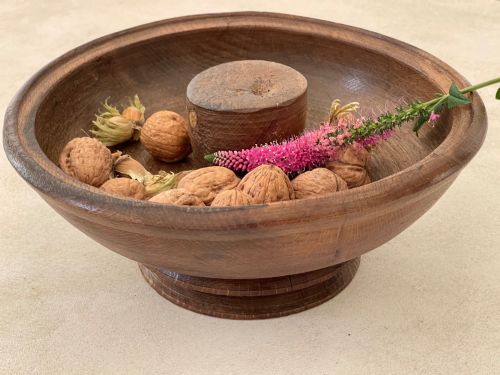
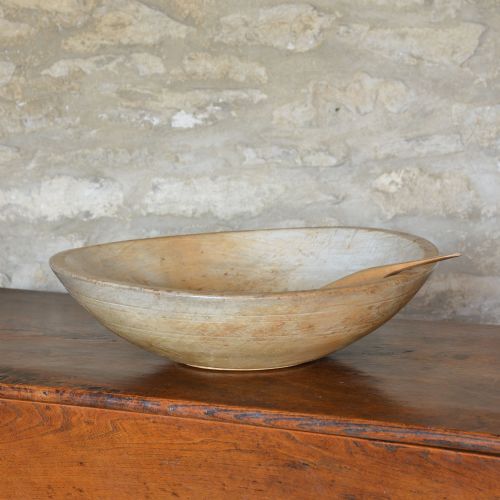
The selections here range from deep sycamore dairy bowls and turned walnut vessels to large kneading troughs and rustic folk art platters. Most examples date from the Georgian and nineteenth-century periods, showing the heavy hand-tooling and patination of genuine utility.
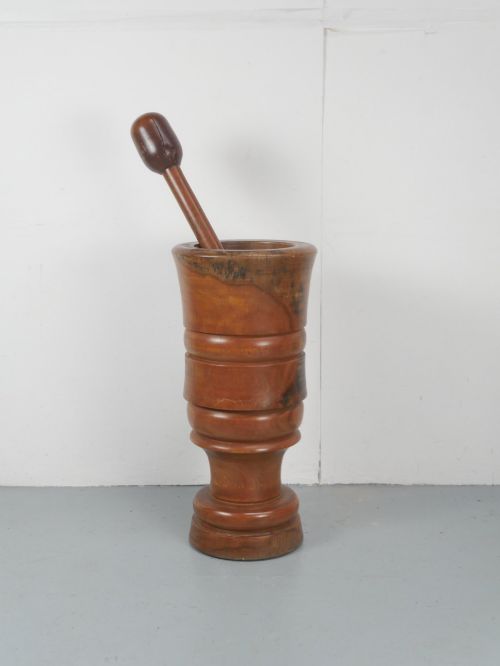
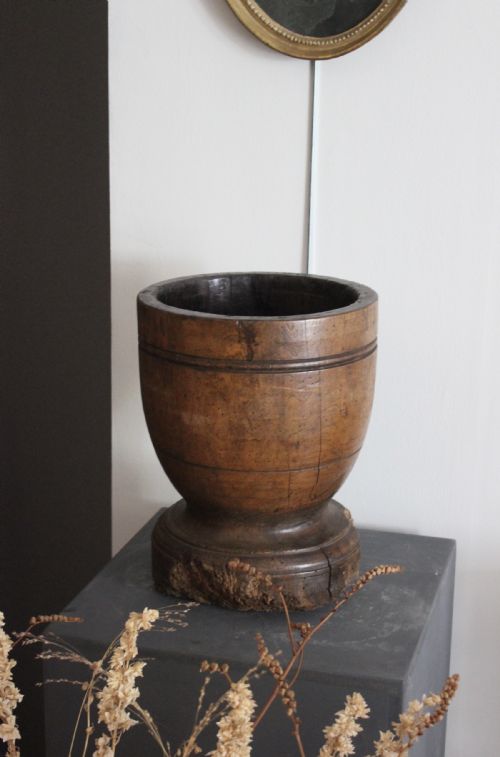
Beyond simple vessels, the category encompasses specialised forms like lignum-vitae mortars, ash platters, and olivewood Sorrento ware. Each object carries the marks of its original agrarian or domestic function, whether used for dairy work, food preparation, or table service.
Materials and construction
Turned items rely on the lathe, utilising dense hardwoods such as sycamore, walnut, beech, and lignum-vitae to form balanced circular rims and walls. Craftsmen selected timber based on grain pattern and stability, turning green wood and letting it warp naturally over time.
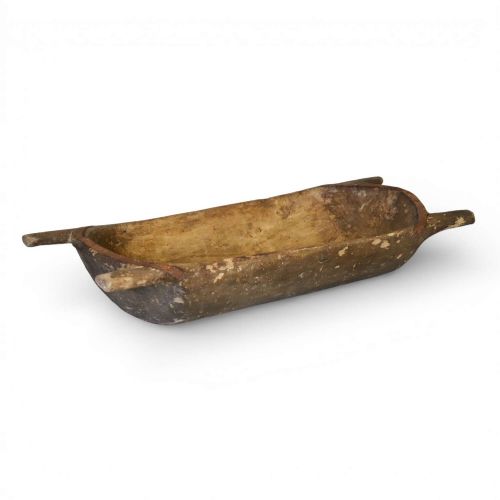
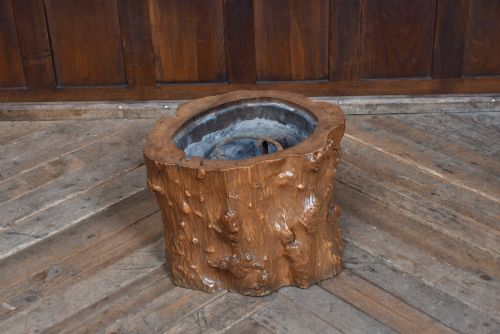
Carved and dug-out pieces, such as kneading troughs and heavy mortars, begin with a single solid log section hewn with axes and gouges. This method produced thick, robust walls designed to withstand heavy physical labour without splitting.
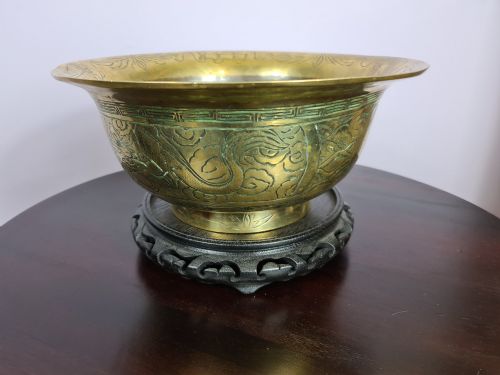
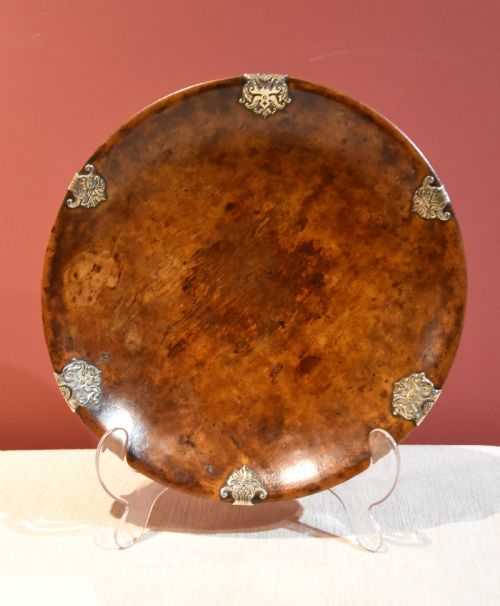
Some refined examples incorporate metal fittings, combining the warmth of burr walnut or maple with silver mounts, brass, or iron details. Surface finishes typically rely on natural oils, waxes, and decades of handling rather than heavy modern varnishes.
Vintage Wood Bowl Retail Price Guide 2026
Typical asking prices for vintage wood bowl among the pieces listed under this phrase on Sellingantiques today, from the lower quarter to the upper quarter. They describe what is for sale here now, not the wider market.
Regional styles represented include English country, Scandinavian country, Welsh vernacular, and Italian Sorrento ware.
Judging quality in turned and carved wood
Quality rests upon the integrity of the timber and the harmony of the turning, where wall thickness matches the scale of the vessel. A superior piece displays balanced proportions and tool marks that speak of confident, direct shaping rather than mechanical uniformity.
The depth of the patina separates ordinary items from exceptional survivors, governed by decades of exposure to oils, light, and use. Untouched surfaces with rich, glowing colour and soft edges command greater appreciation than stripped or overly dry timber.
Maker intent and geographical origin also define the tier of an object, from vernacular Welsh sycamore bowls to intricate Sorrento ware. The presence of unusual species, such as lignum-vitae or coquilla nut, elevates the standing of a piece within the field.
The Vintage Wood Bowl Glossary
- Treen
- Small wooden domestic objects made before the widespread use of ceramics and plastics. This term covers everything from turned bowls and platters to spoons and spice pots.
- Dairy bowl
- A broad, shallow vessel traditionally used for setting milk so the cream could rise to the top. These are frequently turned from sycamore for its clean, non-porous qualities.
- Dough bowl
- A large, deep trough, often hewn from a single log, utilised for mixing and kneading bread dough in farmhouses. Their heavy walls provide exceptional stability during use.
- Lignum-vitae
- An extremely dense and heavy wood derived from tropical trees, prized for mortars and mallets. It sinks in water and resists splitting under heavy impacts.
- Patina
- The deep, warm gloss and surface alteration developed by wood over generations of handling and polishing. It serves as a visual record of age and care.
Vintage Wood Bowl: Frequently Asked Questions
How were dairy bowls used?
Dairy bowls held freshly milked cow's milk in cool dairies, allowing the cream to separate naturally to the surface for skimming. Their broad, shallow profiles maximised the surface area for this separation process.
Craftsmen favoured pale timbers like sycamore because the wood imparted no unwanted flavours or tannins to the dairy produce. After use, workers scrubbed them clean with sand and water, contributing to the pale, satiny surfaces seen today.
How do I date a wooden bowl?
Dating relies on tool marks, timber species, wear patterns, and the construction methods visible on the underside. Lathe-turned rings and the style of the base often point to specific manufacturing decades.
Comparing the object to documented examples from periods like the Georgian era or the nineteenth century helps narrow its origin. Patina and shrinkage cracks also indicate the passage of considerable time.
What is treen?
Treen encompasses small, useful wooden household items made by turners and joiners before mass production took hold. The word translates literally to 'of wood' and spans centuries of domestic craftsmanship.
Collectors prize treen for its tactile quality and direct connection to everyday historical life. The category includes bowls, platters, spice containers, and ladles.