





Vintage Wood Blocks
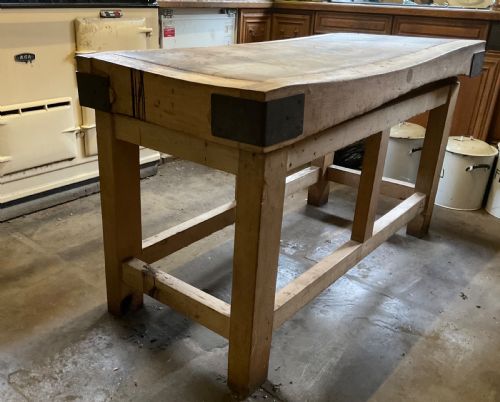
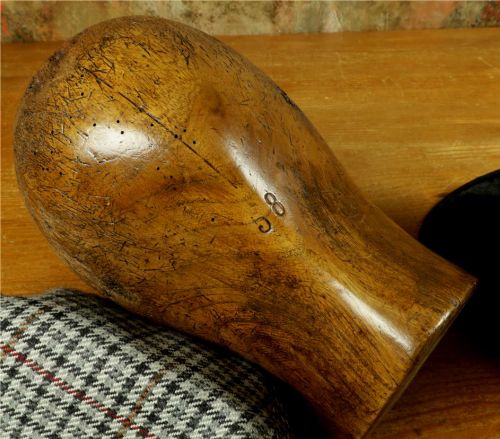
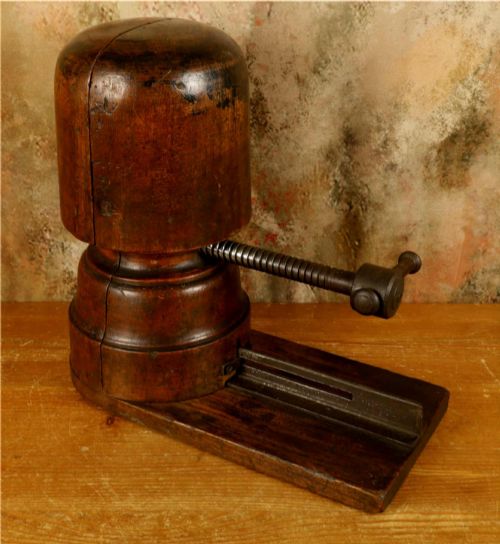
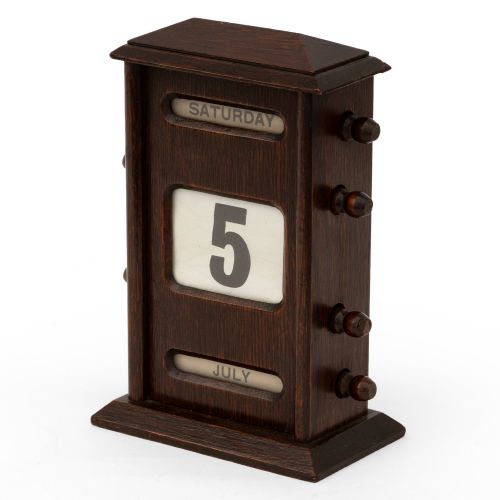
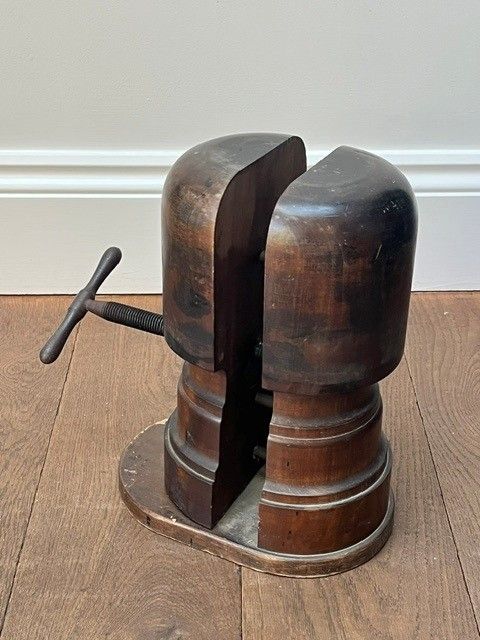
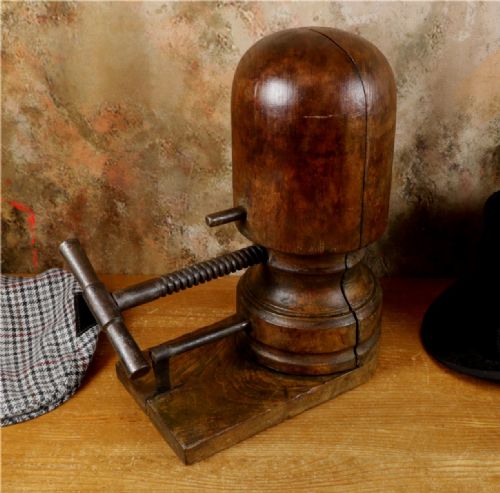
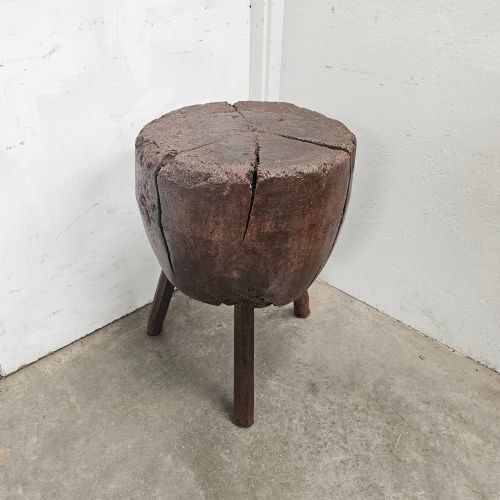
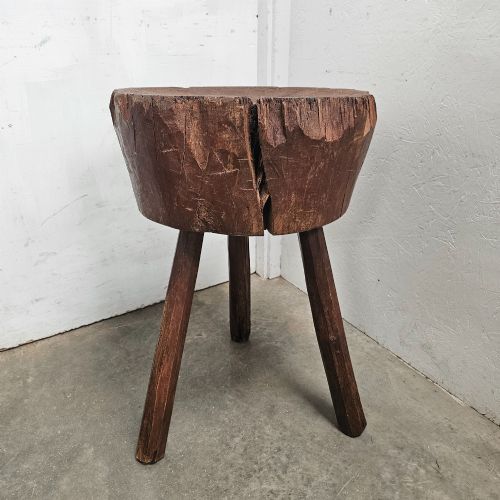
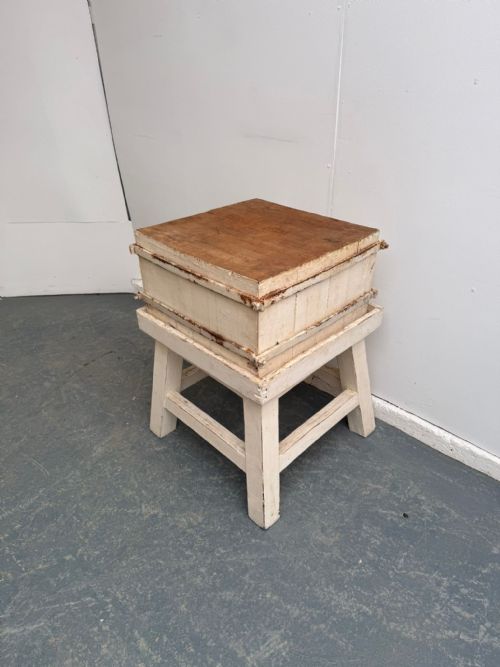
These vintage wood blocks bring honest utility into a room, spanning heavy butcher blocks to carved printing stamps and milliner forms.
Vintage Wood Blocks
Vintage wood blocks encompass a diverse group of functional objects, ranging from French kitchen chopping blocks and butchers blocks to hat stretchers and textile printing stamps. When searching for vintage wood blocks, buyers encounter items that served practical trades in the eighteenth, nineteenth, and early twentieth centuries.
Many items retain the marks of daily labour, whether ink residue on printing blocks or chop marks on kitchen surfaces. This functional history defines the character of each piece.
Materials and construction
Craftsmen utilised dense hardwoods like oak, beech, elm, fruitwood, and sycamore to withstand heavy repetitive impacts and daily wear. These timbers were selected for grain density and stability, ensuring the blocks remained true under pressure.
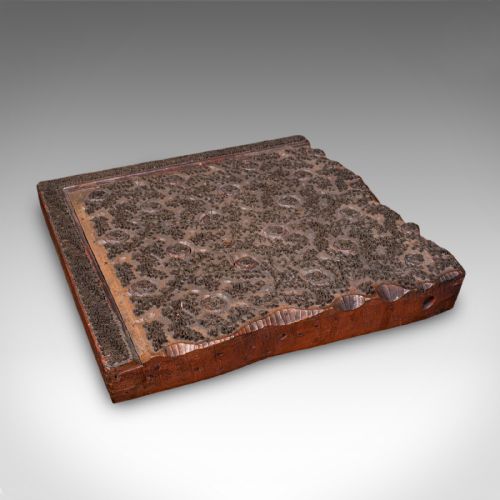
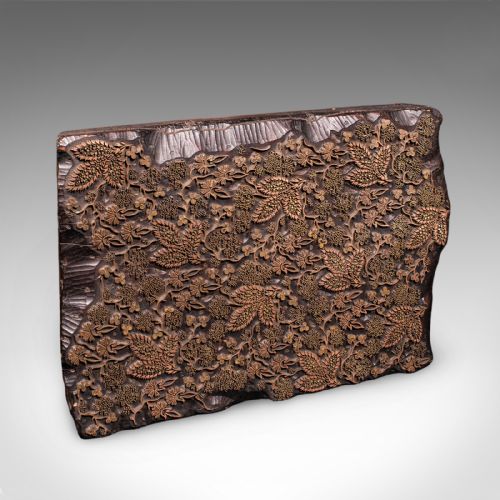
Metal components appear frequently, incorporating cast iron, brass, and steel for structural support, expansion bands, or operating mechanisms. Printing blocks often feature intricate carved brass pins inset into the wood to form the pattern.
Vintage Wood Blocks Retail Price Guide 2026
Typical asking prices for vintage wood blocks among the pieces listed under this phrase on Sellingantiques today, from the lower quarter to the upper quarter. They describe what is for sale here now, not the wider market.
Listings feature 19th-century French butcher blocks alongside English textile printing stamps and Victorian milliner forms.
Assessing quality and character
Quality rests in the integrity of the timber and the honesty of the wear rather than pristine condition. Grain pattern, weight, and the retention of original mounting hardware or maker stamps elevate certain examples.
Finer hat blocks display crisp sculptural carving of the wooden form, while superior printing blocks show precise hand-setting of brass pins. Substantial scale and untouched patination distinguish the best specimens.
Trussant & Cie·Liberty Of London·Hennes France
The Vintage Wood Blocks Glossary
- Hat block
- A carved wooden form used by milliners for shaping and sizing hats. They often take abstract sculptural shapes.
- Butchers block
- A heavy timber cutting surface constructed from end-grain wood blocks bound together. They provided stable surfaces for meat preparation.
- Printing block
- A carved wooden stamp inset with brass wire used to print patterns onto textiles or wallpaper. They demonstrate precise artisan craftsmanship.
- Game block
- A heavy section of tree trunk utilised in French provincial kitchens for preparing game. They display deep vertical grain and heavy wear.
- Treen
- Small handmade wooden household objects and utensils. The term covers functional domestic items shaped by turners and woodworkers.
Vintage Wood Blocks: Frequently Asked Questions
What were vintage wood blocks originally used for?
These items served specific trades, functioning as chopping surfaces for butchers, moulding forms for milliners, and stamping tools for textile printers. Each block was engineered for heavy industrial or domestic labour.
Over time, changing manufacturing methods rendered these handmade wooden tools obsolete, preserving them as surviving examples of regional tradecraft.
How do I clean and care for a wooden block?
Maintain the timber by dusting gently and applying natural wax or mineral oil periodically to prevent the wood from drying out. Avoid harsh chemical cleaners and excessive moisture.
Keeping the pieces away from direct heat sources and sudden temperature changes protects the aged grain and prevents splitting.
Are hat blocks and printing blocks still functional?
While hat blocks and printing blocks retain their physical form, collectors generally display them as sculptural art objects or decorative items rather than utilising them for active production.
Their intricate carved details and rich patination make them well-suited for display on shelves, desks, or specialist stands.
How can I tell the age of a butcher block?
Age is determined by the construction methods, tool marks left on the timber, and the density of the accumulated surface patina. Earlier pieces often feature hand-hewn joinery and heavy iron bracing.
Comparing the wood species, such as traditional French beech or oak, alongside any maker stamps helps narrow down the period of production.