





Vintage Wine Rack
These vintage wine racks and bottle holders bring enduring utility and character to home cellars and dining rooms.
Vintage Wine Rack
A vintage wine rack provides practical bottle storage while introducing distinct period character to a room. When you search for a vintage wine rack, you encounter a diverse selection ranging from utilitarian industrial storage to refined domestic display pieces.
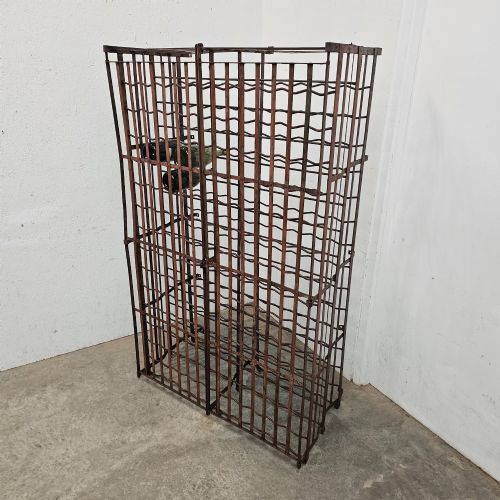
Domestic pieces often take the form of modified sideboards, dressers, or purpose-built wooden cupboards with integrated racks. Meanwhile, commercial or cellar-provenance items appear as robust metal cages and large French steel frameworks.
Materials and construction
Construction relies heavily on durable metals and robust timbers chosen for load-bearing strength. Industrial examples utilise heavy steel and iron frameworks designed to hold substantial quantities of bottles securely in commercial cellars or estates.
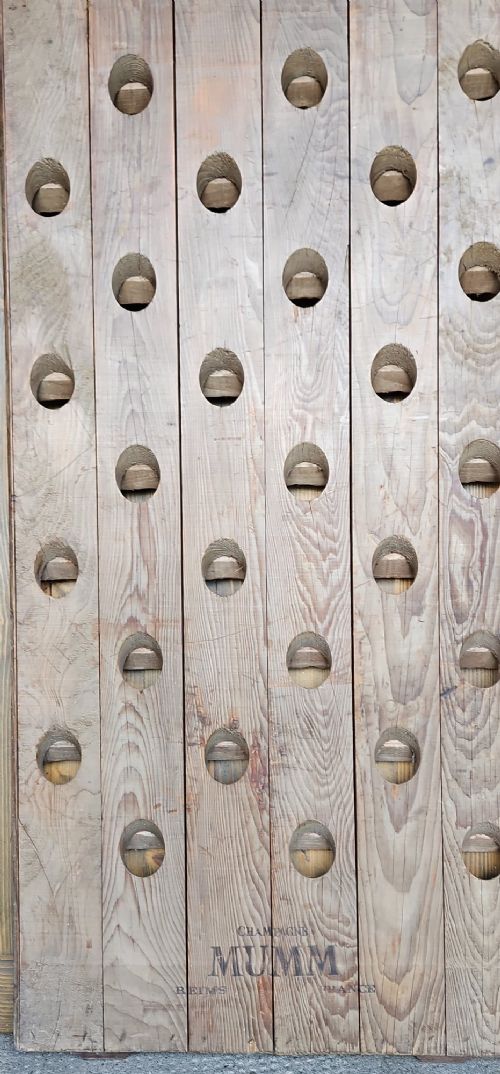
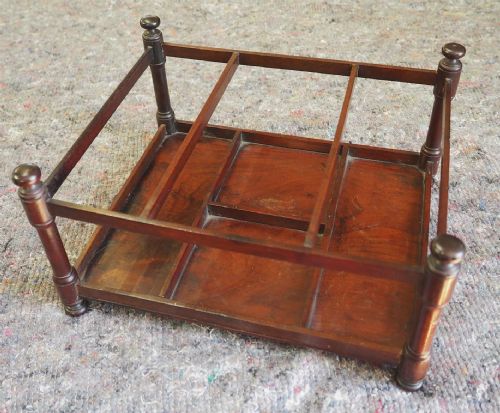
Domestic tabletop and sideboard pieces incorporate fine cabinet timbers like mahogany and pine, often finished with brass or silver plate mounts. These materials reflect the domestic interior fashions of their respective Victorian, Edwardian, and Georgian periods.
Vintage Wine Rack Retail Price Guide 2026
Typical asking prices for vintage wine rack among the pieces listed under this phrase on Sellingantiques today, from the lower quarter to the upper quarter. They describe what is for sale here now, not the wider market.
Current listings feature items spanning the 18th Century through to the 1920s, constructed from timber, steel, brass, and silver plate.
Assessing quality and character
Quality in these items is defined by the integrity of the materials and the sophistication of the joinery or metalwork. Heavy gauge steel rivets and solid timber construction distinguish superior utilitarian pieces from lighter contemporary imitations.
Finishing details such as original brass fittings, lockable mechanisms on wine cages, and polished silver plate elements elevate certain items from simple storage to decorative focal points.
The Vintage Wine Rack Glossary
- Wine Cage
- A secure, lockable metal enclosure designed to house large quantities of bottles safely in a cellar. These heavy-duty structures often originate from French commercial settings.
- Decanter Stand
- A portable tabletop frame, typically made from mahogany or silver plate, designed to hold serving decanters. These pieces reflect formal dining traditions of the Georgian and Victorian eras.
- Sideboard
- A dining room piece of furniture adapted or built with internal shelving and racks to store wine bottles alongside tableware. Edwardian and Victorian iterations frequently combine these functions.
Vintage Wine Rack: Frequently Asked Questions
How do I choose the right size wine rack?
Consider both your collection size and the available floor or wall space in your room. Large steel cages suit substantial collections, while tabletop holders fit smaller spaces.
Measure your bottles beforehand, as older vintage formats can vary significantly in diameter compared to modern standard bottles.
Are these wine racks suitable for long term cellaring?
Many industrial metal racks and lockable cages were originally built for commercial cellars, making them robust enough for serious bottle storage. Ensure the environment matches proper temperature and humidity guidelines.
Wooden furniture pieces with integrated racks are better suited for shorter term display and immediate access in dining areas.
How do I clean and maintain antique metal and wood?
Metal frames benefit from gentle dusting and occasional application of protective wax to prevent oxidation on iron or steel surfaces. Brass and silver plate components can be polished cautiously depending on the desired level of patina.
Wood elements like mahogany and pine require simple conditioning with appropriate furniture wax to keep the timber nourished.
How can I tell the period of a wine rack?
Dating relies on identifying the prevailing materials, construction techniques, and stylistic cues associated with periods like the Georgian, Victorian, or Edwardian eras. Hand-cut joinery and heavy turned timbers often point to earlier centuries.
Industrial pieces often display maker traits and structural wear characteristic of nineteenth-century French manufacture.