


Vintage White Bust
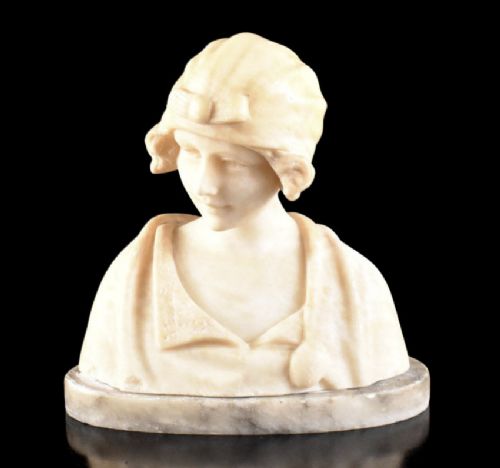
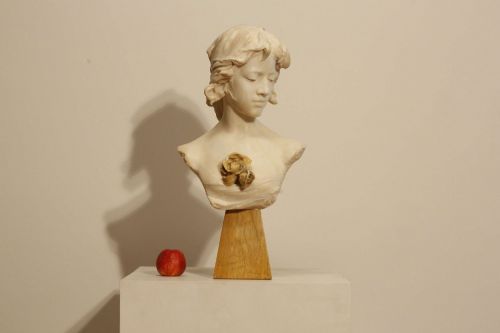
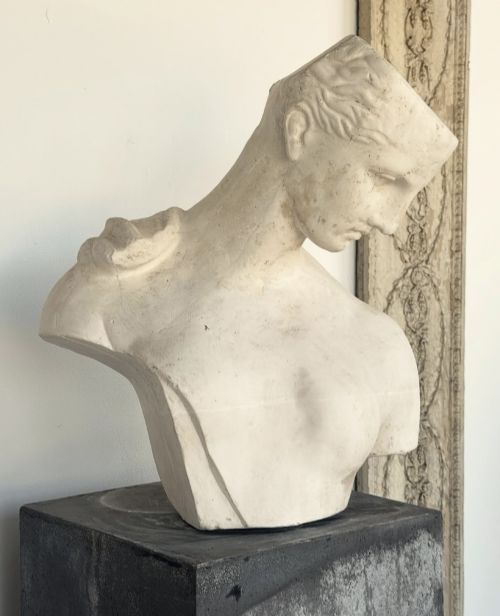
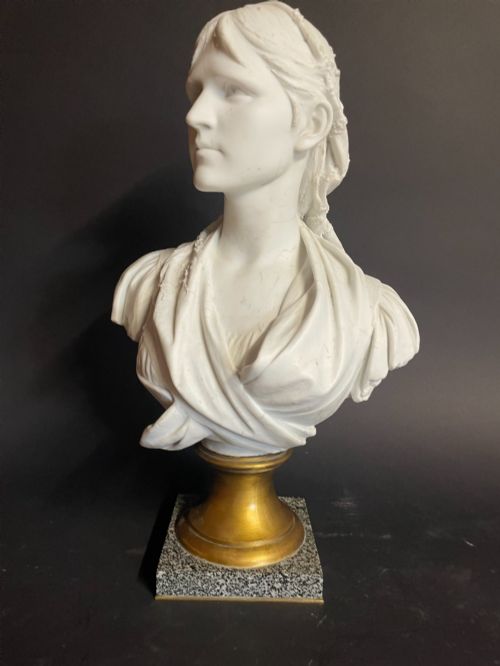
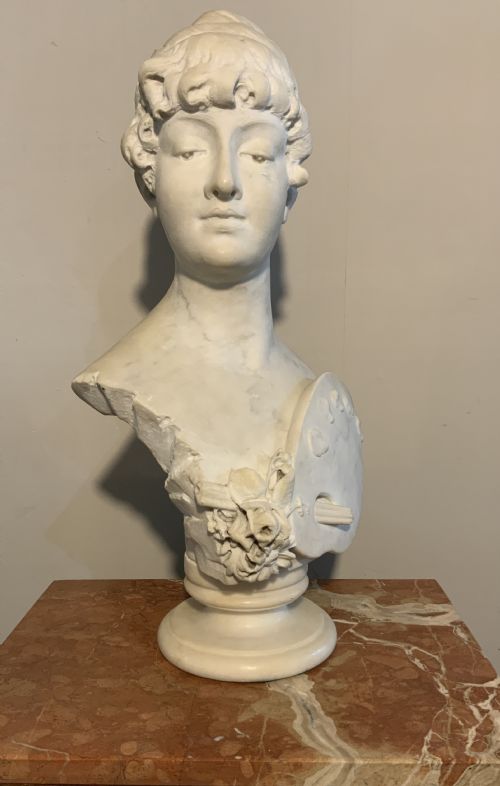
When you search for a vintage white bust, you are looking at carved stone and cast plaster likenesses shaped across the nineteenth and twentieth centuries.
Vintage White Bust
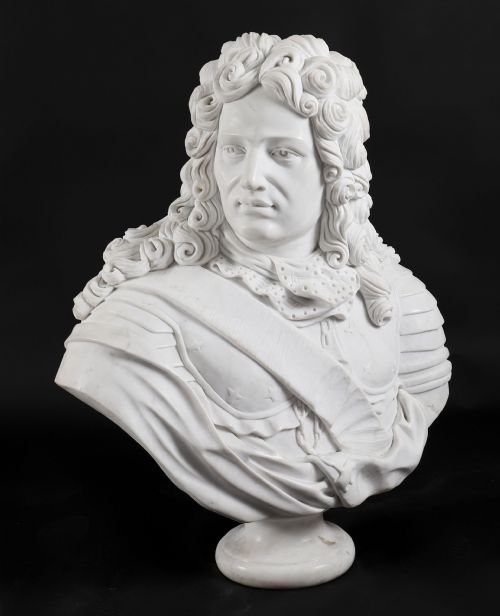
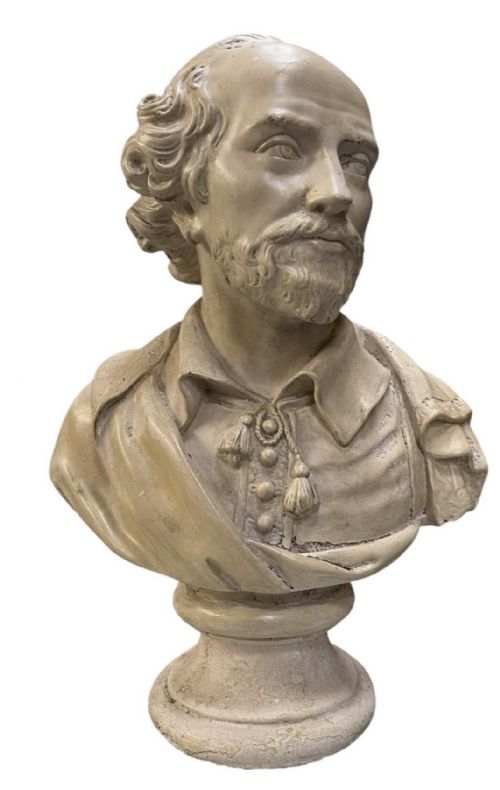
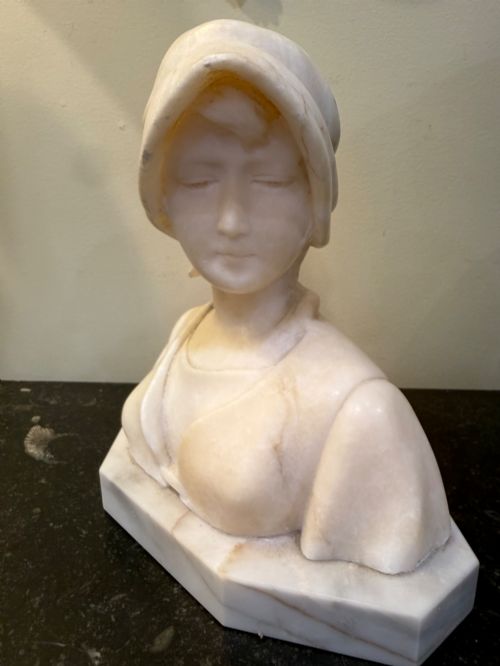
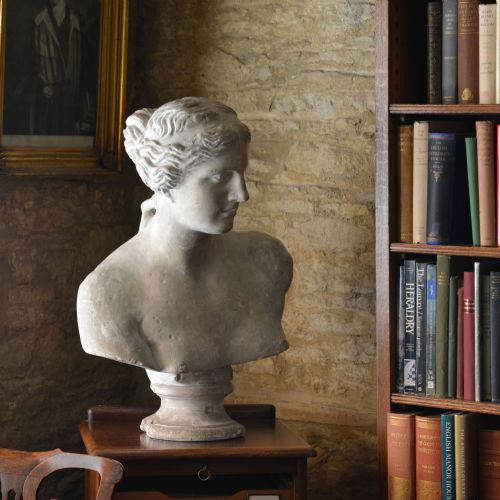
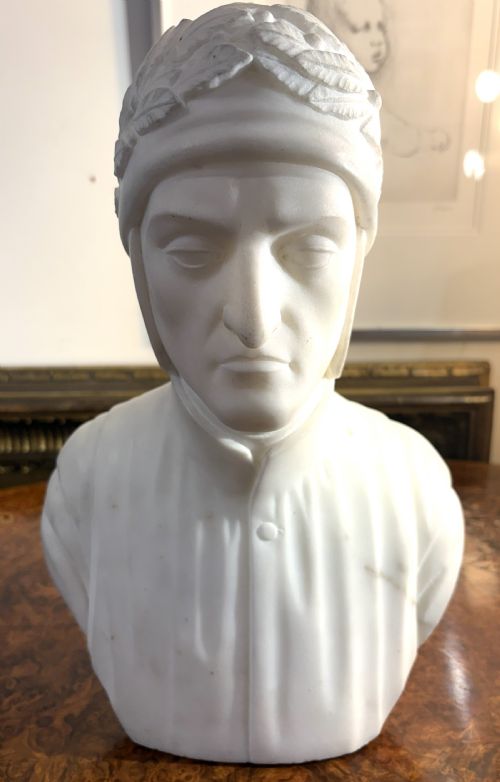
A vintage white bust brings classical form and sculptural presence into a room, taking the shape of historical figures, literary icons, and anonymous youths. When you search for a vintage white bust, you encounter pieces spanning the Victorian, Edwardian, and Art Deco eras, produced across Britain, France, and Italy.
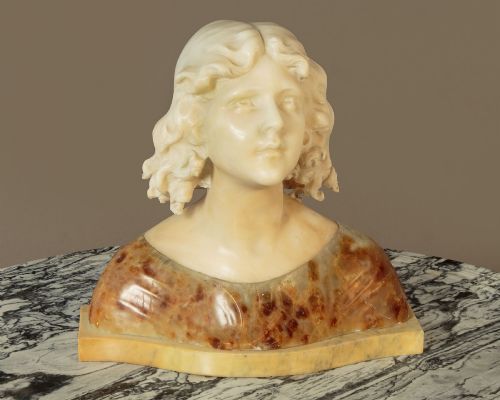
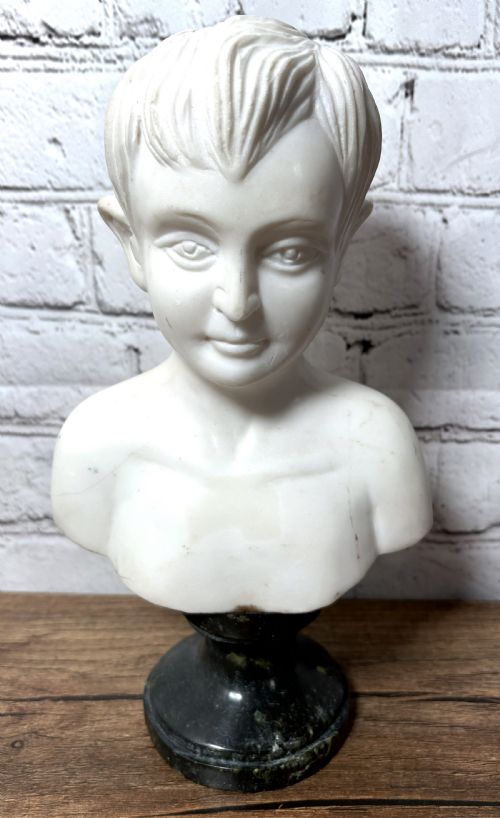
The most common examples on this page are carved alabaster or cast gypsum plaster portraits. These range from small library pieces designed for a desk to substantial Italian marble works depicting noblemen, women, and classical subjects like Venus and Dante.
How they were made
Makers shaped these pieces primarily through two distinct methods: carving solid stone and casting into moulds. Alabaster and various grades of marble, including Carrara, were worked by hand with chisels and rasps to achieve smooth contours and fine details in hair and drapery.
Plaster works utilised gypsum plaster poured into moulds, often finished by hand to sharpen facial expressions and clean seam lines. Some plaster examples received painted surfaces to emulate stone or patinated metal.
Vintage White Bust Retail Price Guide 2026
Typical asking prices for vintage white bust among the pieces listed under this phrase on Sellingantiques today, from the lower quarter to the upper quarter. They describe what is for sale here now, not the wider market.
Periods represented on this page range from the nineteenth century through the Art Deco era of the 1930s.
What varies in quality
Quality in these sculptures rests upon the fidelity of the carving or the crispness of the cast. Finer pieces show subtle shifts in expression, delicate treatment of eyelashes and locks of hair, and a polished finish that respects the natural grain of the stone.
Raffaelo Monti·Mieczyslaw Leon Zawiejski·Joseph Gott·William Goebel
The Vintage White Bust Glossary
- Carrara marble
- A type of white or blue-grey marble from the city of Carrara in Tuscany, Italy, widely utilised for classical sculpture.
- Alabaster
- A fine-grained, translucent mineral often carved into Victorian figures, portrait busts, and decorative vessels.
- Gypsum plaster
- A building and casting material made from heated gypsum, utilised to create affordable yet detailed sculptural busts.
- Neoclassical
- A Western cultural movement drawing inspiration from the art and culture of classical antiquity, prevalent in nineteenth-century sculpture.
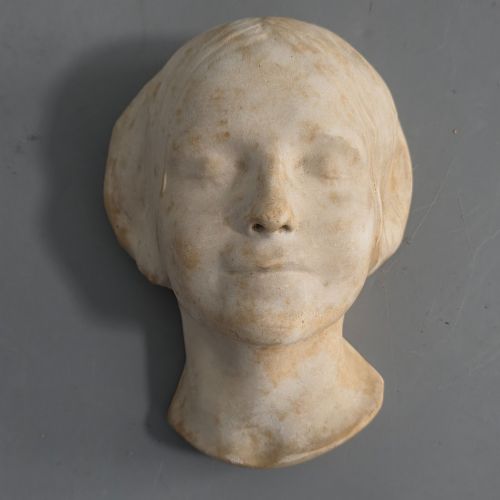
- Death mask
- A cast taken of a person's face after death, sometimes translated into stone or plaster as an enduring portrait.
Vintage White Bust: Frequently Asked Questions
Are plaster busts heavy?
Plaster busts have a moderate weight depending on their size and whether they are hollow or solid cast. Most medium-sized pieces are easily moveable by one person.
Larger library busts or those mounted on heavy wooden or marble plinths require care when lifting to avoid tipping.
Where should I display a marble bust?
Marble busts suit sturdy surfaces such as wooden sideboards, bookcases, or dedicated pedestals and plinths. Ensure the support is level and capable of holding the weight of solid stone.
Positioning them away from direct sunlight protects any applied patination on plaster variants, while stone can handle normal room conditions.
How can I tell marble from alabaster?
Marble is a hard metamorphic rock that resists scratching from a steel blade, whereas alabaster is a softer mineral that can be marked with more pressure. Alabaster also possesses a natural translucency when held near a light source.
Examining the underside or unpolished sections often reveals the crystalline structure of the material.