

Vintage Watercolour Portrait
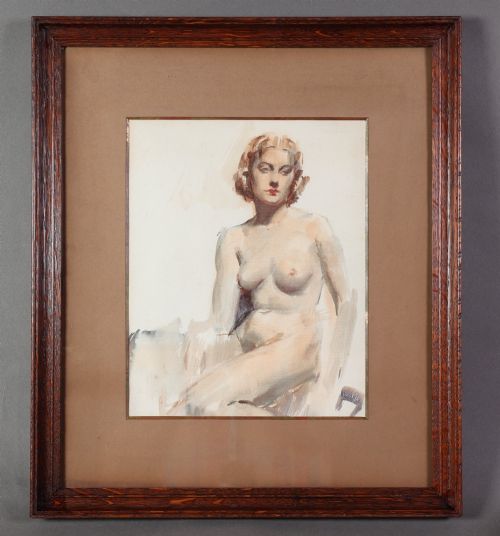
A vintage watercolour portrait brings immediate character to a wall, offering delicate brushwork and intimate glimpses of past lives through paper and pigment.
Vintage Watercolour Portrait
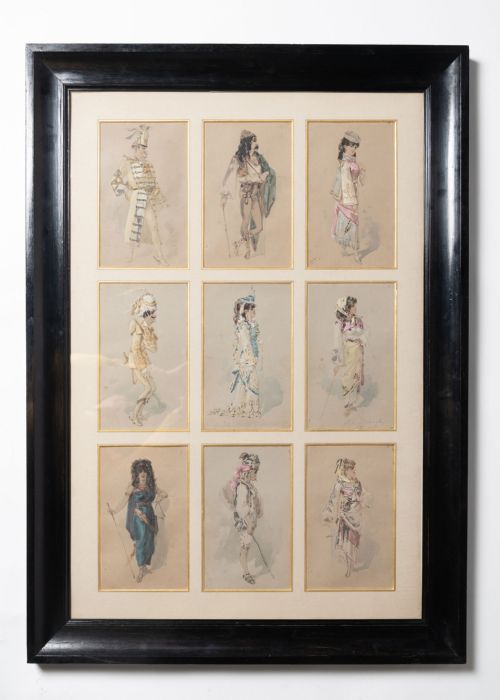
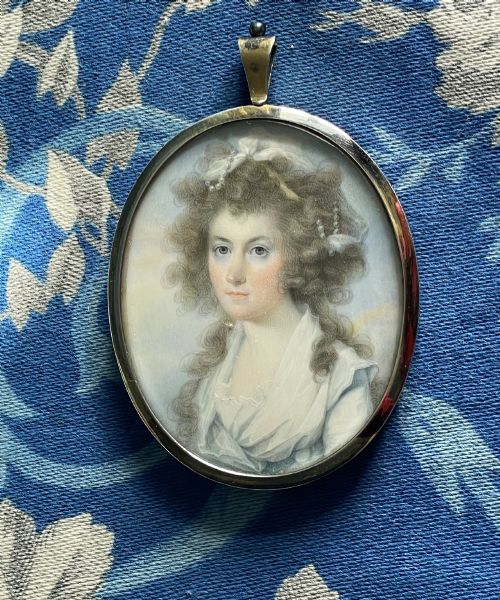
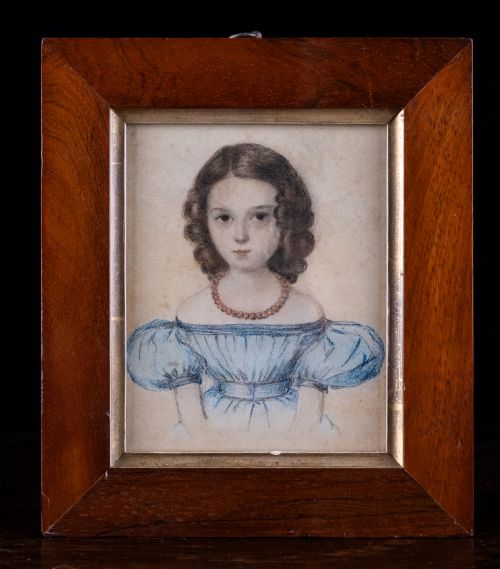
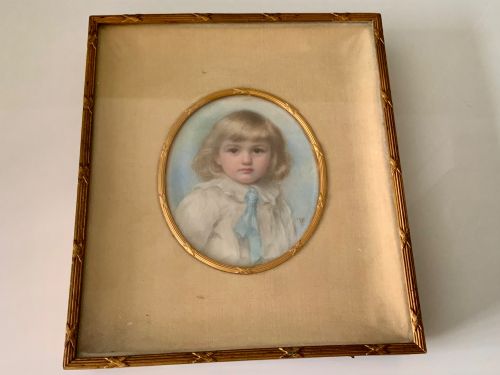
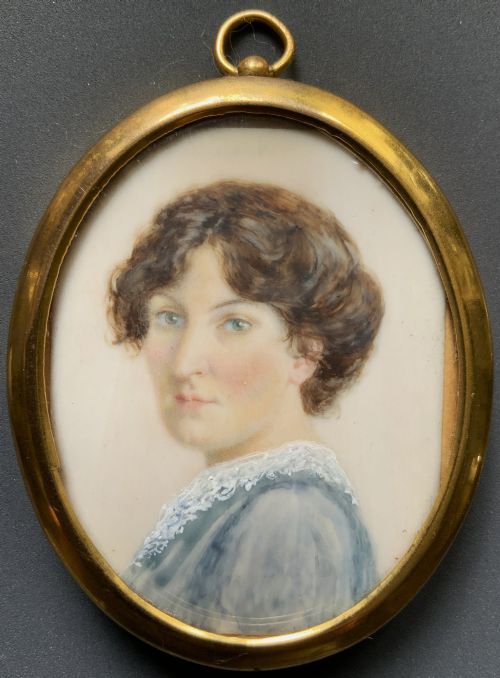
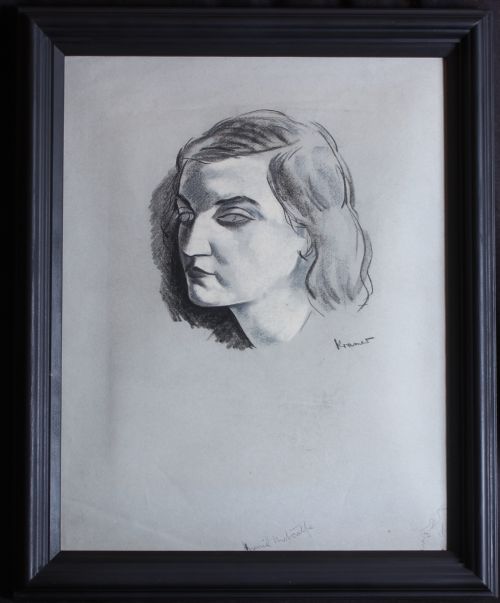
A vintage watercolour portrait captures human likenesses and character studies executed on paper, spanning periods from the Georgian and Regency eras through the Victorian and Edwardian decades into the mid-twentieth century.
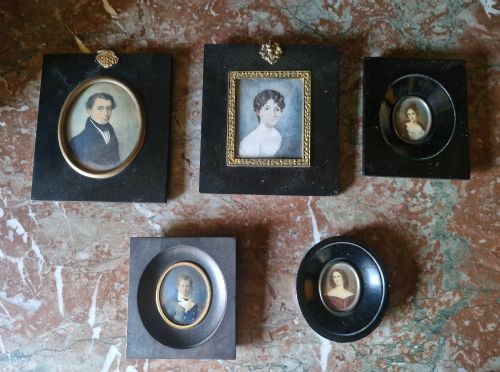
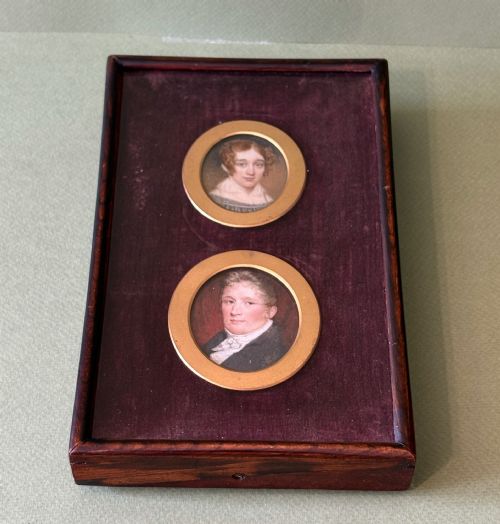
Buyers encounter both full-scale framed paintings and delicate portrait miniatures housed in small, protective surrounds of wood, brass, or ebonised frames.
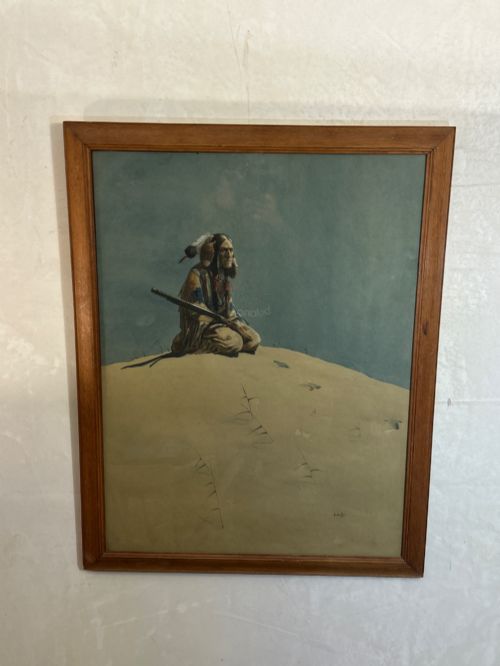
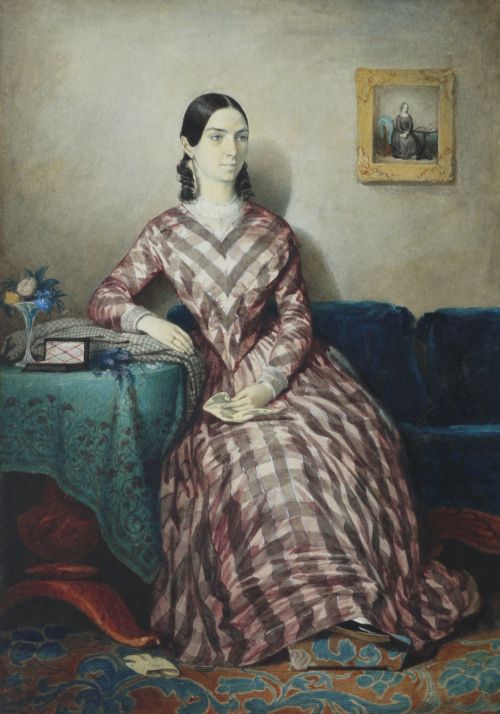
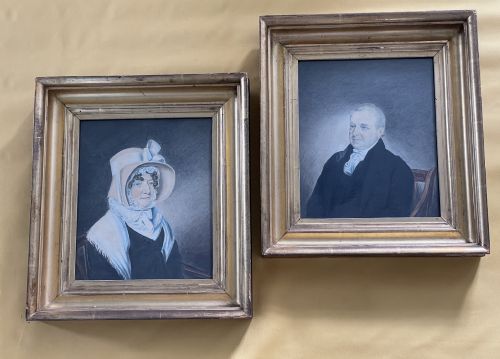
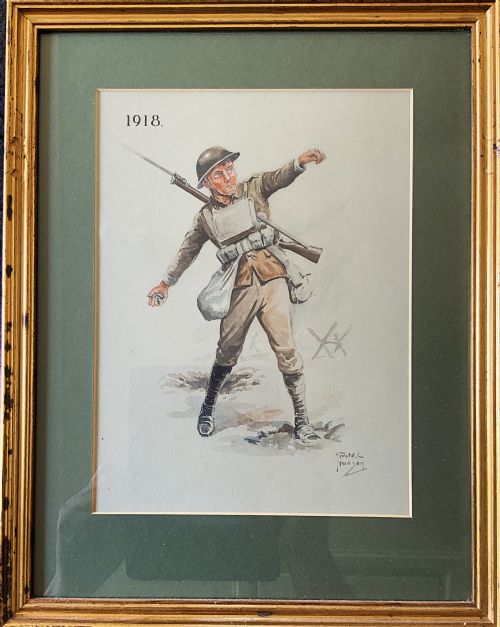
The subjects range from formal seated figures and military officers to anonymous children, folk art subjects, and specific named sitters recorded by British and international artists.
How they were made
Artists applied water-soluble pigments, gouache, ink, and wash directly onto paper surfaces, occasionally combining pastel or cut-paper silhouettes to build depth and texture.
Framing materials typically include wood, gilt metal, glass, and brass, with many antique works preserved beneath original glass in ebonised frames or gold leaf surrounds.
Vintage Watercolour Portrait Retail Price Guide 2026
Typical asking prices for vintage watercolour portrait among the pieces listed under this phrase on Sellingantiques today, from the lower quarter to the upper quarter. They describe what is for sale here now, not the wider market.
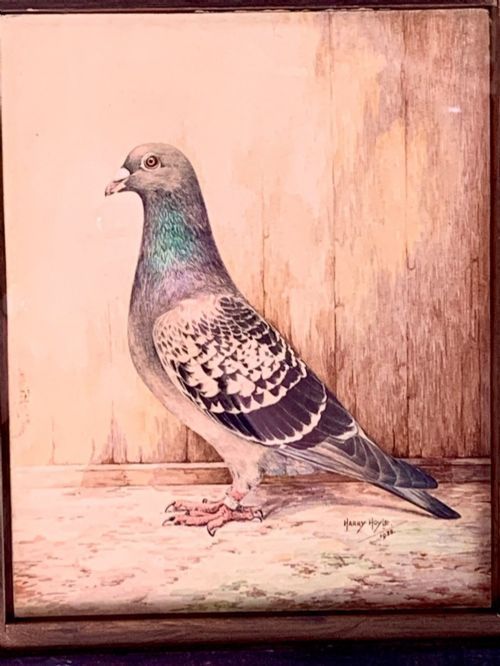
Among the human subjects, a notable pigeon watercolour commemorates a Royal Messenger and Silver Jubilee winner.
What varies in quality
The distinction between standard works and exceptional pieces lies in the precision of the facial expression, the liveliness of the brushwork, and the preservation of the delicate pigments against fading.
The quality of the framing and mounting, such as period ebonised wood or fine gold leaf surrounds, contributes significantly to the integrity and historical weight of the artwork.
Jacob Kramer·Harry Bright·Alessandro Cittadini·John Hassall·John C D Engleheart·Percy Lancaster·Alexander Harwood·Michael Healy·Vincenzo D’Esposito·Arthur Wardle·Robert Eadie·J F Marie Huet Villiers·Basil Nightingale·L Sommer
The Vintage Watercolour Portrait Glossary
- Watercolour
- A painting method where natural pigments are suspended in a water-based solution and applied to paper. This medium allows for translucent washes of colour that capture light effectively.
- Gouache
- An opaque water-based paint often used alongside watercolour to add highlights and solid areas of colour. It creates a denser, more matte surface finish.
- Portrait miniature
- A small, highly detailed painting executed on a reduced scale, often framed for intimate viewing or desk placement. These works frequently date from the Georgian and Victorian periods.
- Wash
- A thin, fluid layer of diluted watercolour or ink spread evenly across paper to create backgrounds or subtle shading. It forms the atmospheric base of many early portraits.
- Ebonised wood
- Timber treated and finished to resemble heavy, black ebony. This dark framing material was particularly popular during the Regency and Victorian periods for portraiture.
Vintage Watercolour Portrait: Frequently Asked Questions
How should I hang a vintage watercolour portrait?
Keep watercolours away from direct sunlight to prevent the delicate pigments and paper from fading over time.
Hang them on interior walls where temperature and humidity remain relatively stable.
Are these portraits always painted on paper?
The vast majority of these artworks utilise paper supports combined with watercolour, wash, or gouache.
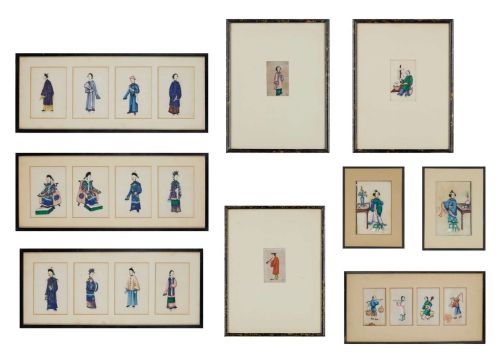
Some specific regional works, such as Chinese pith paintings, utilise alternative organic surfaces.
How do I date an antique portrait?
Clothing styles, hairstyles, and framing materials provide the clearest initial indicators of a portrait's period.
Signatures, artist inscriptions, and framing construction offer further evidence for precise dating.
What is the difference between a miniature and a standard painting?
Portrait miniatures are executed on a much smaller scale, often designed to be held or displayed in tight desk frames.
Standard paintings offer larger compositions meant for prominent wall placement.