

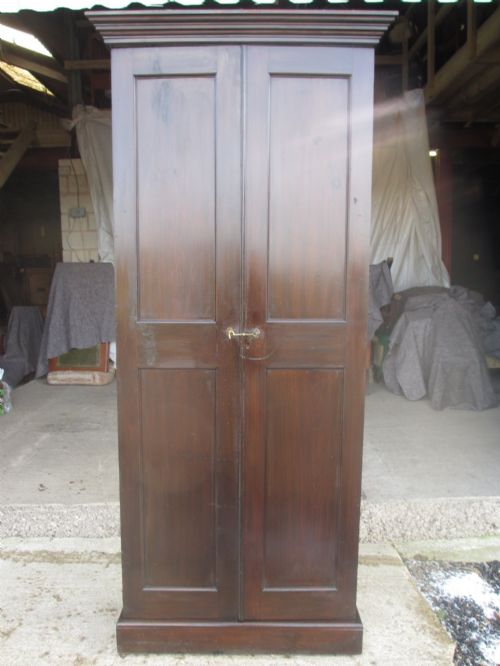
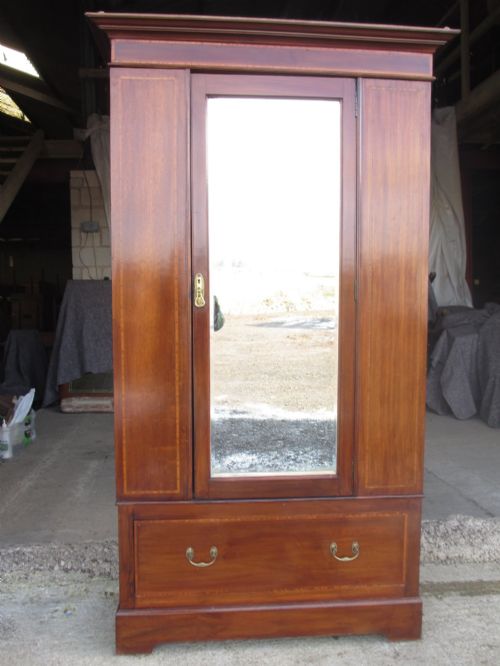
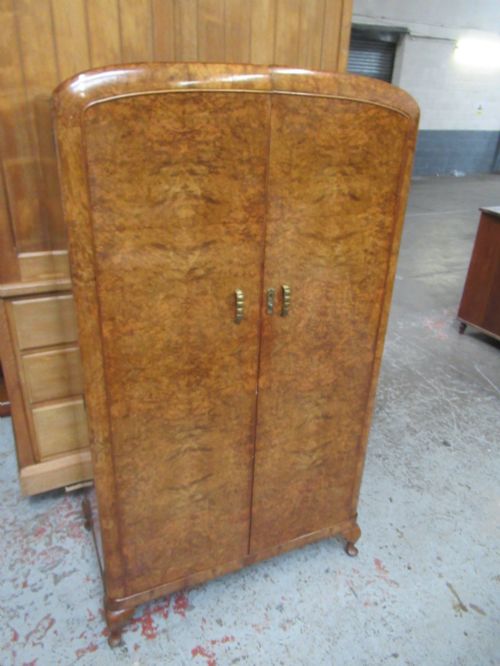
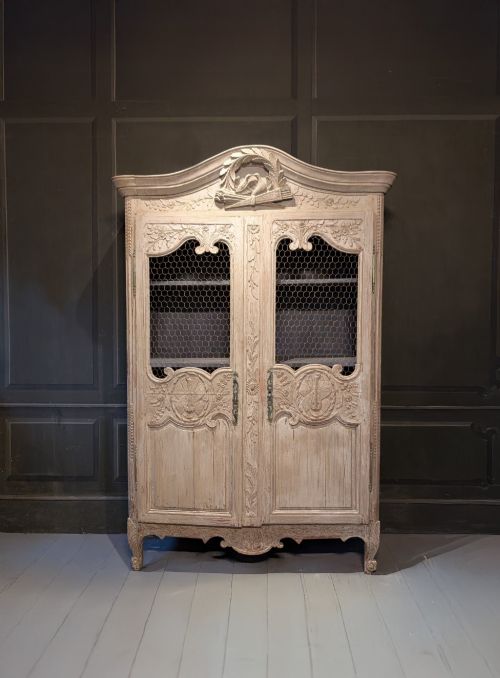
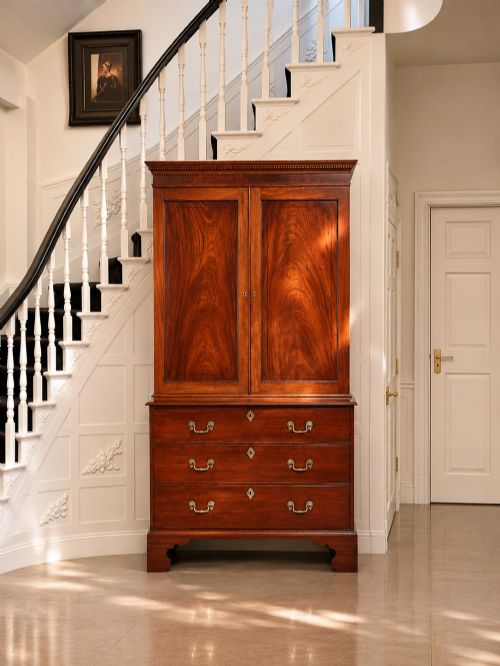
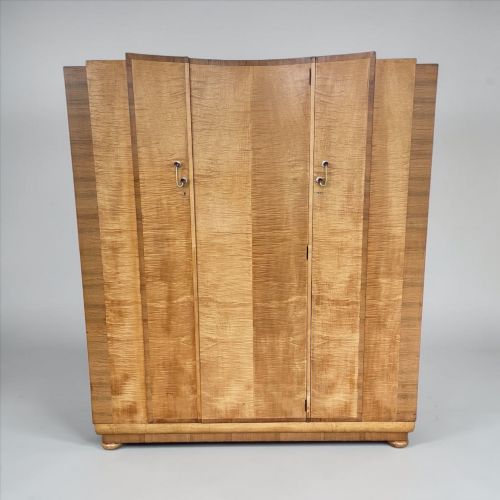
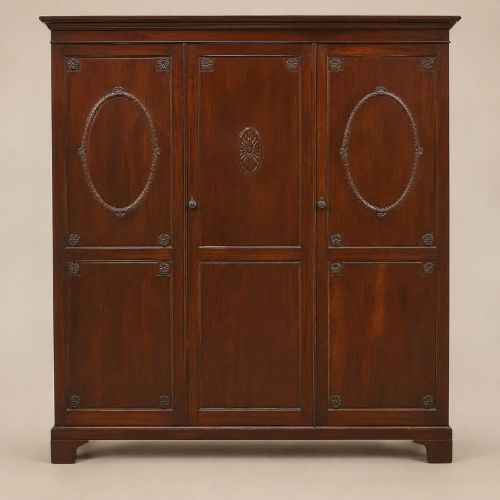
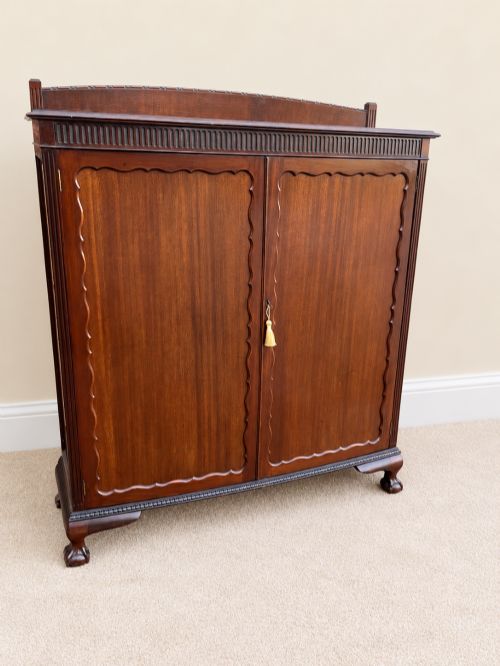
Vintage Wardrobe Armoire
A vintage wardrobe armoire offers substantial storage through timber doors, bringing period presence and practical hanging space to a bedroom.
Vintage Wardrobe Armoire
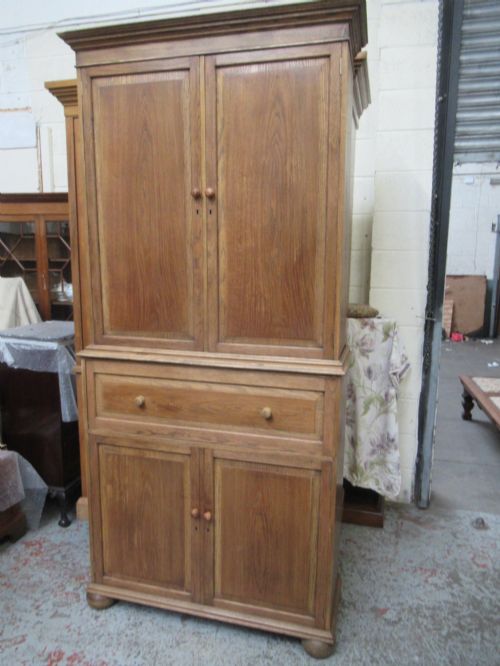
A vintage wardrobe armoire spans multiple periods and regions, appearing most frequently in forms dating from the Victorian era, the Edwardian period, and the nineteen-thirties. Buyers searching this phrase encounter heavy timber constructions designed to house garments, linens, and personal accessories in domestic settings.
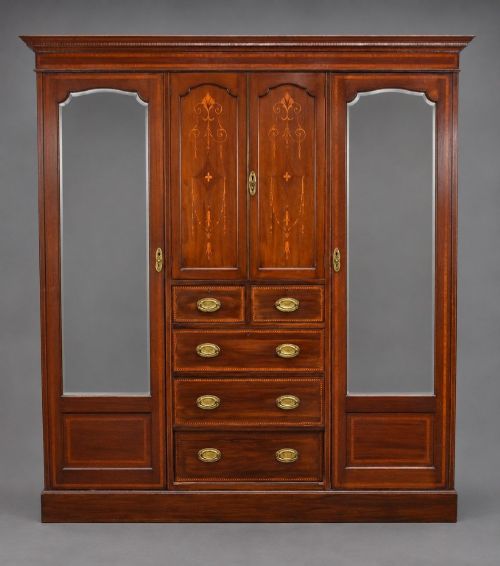
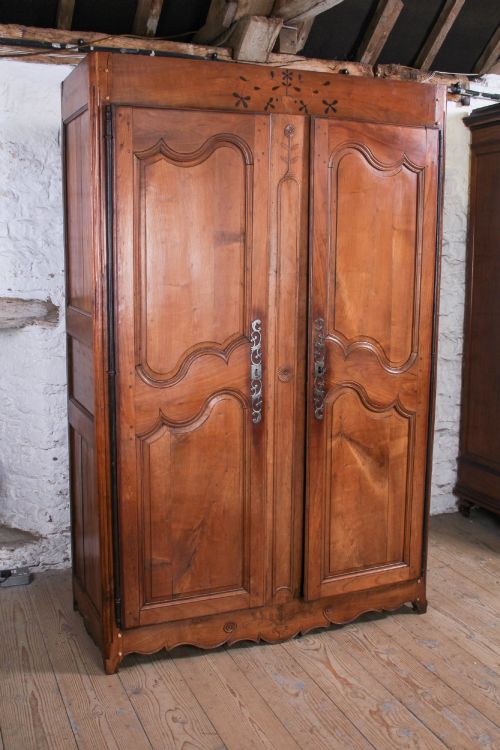
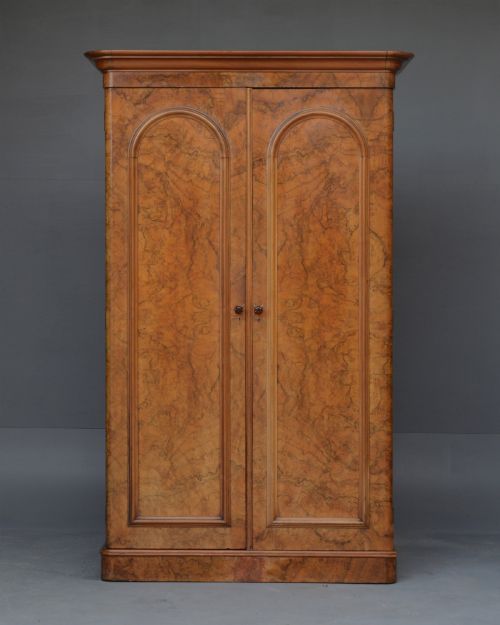
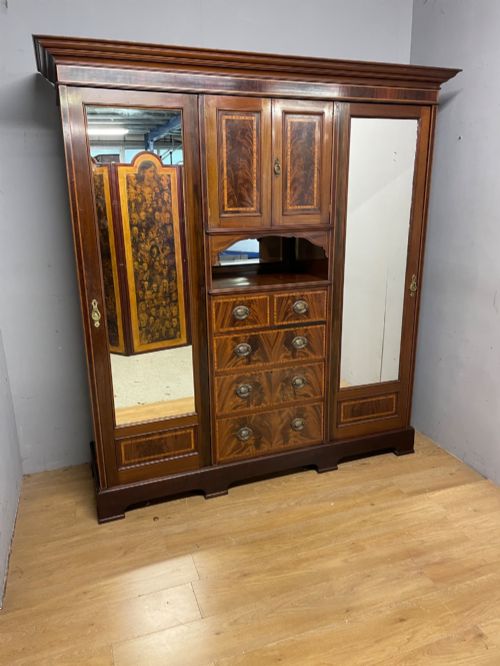
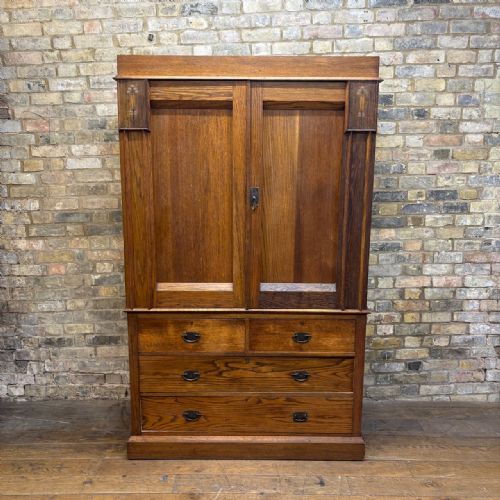
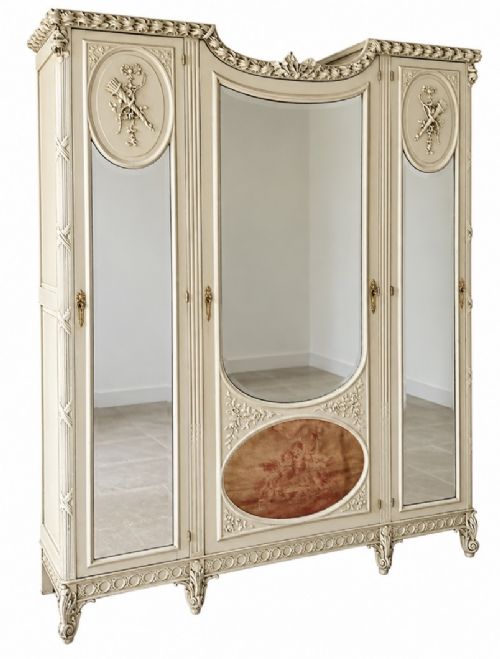
The selection ranges from compact oak pieces and mahogany double wardrobes to elaborate burr walnut designs and tall pine linen presses. Pieces originate from diverse traditions, including English country houses, French provincial workshops, and notable London retail houses.
Functional variants include gentleman's valet cupboards, compactum wardrobes with fitted interiors, and large triple-door cupboards. Many examples incorporate mirrored doors, bottom drawers, or specialised shelving to accommodate household linens.
How they were made
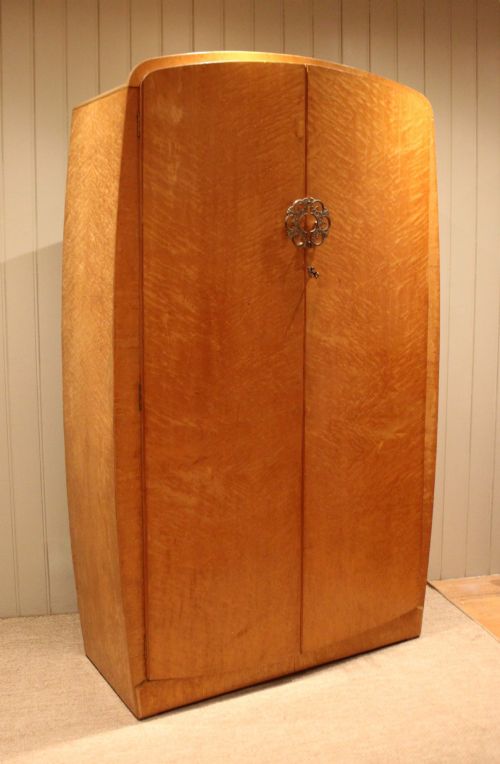
Cabinet makers utilised a variety of solid timbers and decorative veneers, notably oak, pine, mahogany, burr walnut, and birds-eye maple. These woods were joined using traditional carpentry techniques and substantial iron or brass hardware.
Surface finishes include natural wax, traditional polish, and applied lacquers seen in chinoiserie and marriage cabinet styles. Many larger pieces were constructed as knockdown units to facilitate transport and installation in period homes.
Vintage Wardrobe Armoire Retail Price Guide 2026
Typical asking prices for vintage wardrobe armoire among the pieces listed under this phrase on Sellingantiques today, from the lower quarter to the upper quarter. They describe what is for sale here now, not the wider market.
The inventory includes specialised forms such as gentleman's valet cupboards, dwarf wardrobes, and tall Dutch linen presses.
What varies in quality
Quality rests upon the selection of timber figures, such as flame mahogany or burr walnut veneers, and the precision of cabinet joinery. Superior examples exhibit balanced proportions, harmonious grain alignment, and intact original hardware.
Makers' marks or labels from established London firms elevate a piece above standard workshop production. The complexity of interior fittings, such as specialised drawers, sliding trays, and hanging compartments, also distinguishes finer examples.
Maple and Co·Heals·Hille for Harrods
The Vintage Wardrobe Armoire Glossary
- Armoire
- A tall cupboard or wardrobe, traditionally used for storing clothing. French variants often feature carved panel doors and pronounced cornices.
- Linen Press
- A tall piece of furniture featuring upper doors enclosing sliding trays or shelves, combined with lower drawers for folded textiles.
- Compactum
- A fitted wardrobe divided internally into distinct sections for hanging garments, shelving, and drawers. This configuration maximises storage within a single footprint.
- Knockdown
- A piece of furniture engineered to be disassembled into component panels and frames. This method allowed large wardrobes to be moved between rooms easily.
- Chinoiserie
- European decorative style incorporating imitation Chinese motifs, often rendered in lacquer and gilt on cabinet doors.
Vintage Wardrobe Armoire: Frequently Asked Questions
What is a vintage wardrobe armoire?
A vintage wardrobe armoire is a large freestanding storage cabinet designed for hanging clothes and storing linens. These pieces date from the eighteenth century through to the nineteen-thirties.
They appear in timbers such as oak, mahogany, pine, and walnut, reflecting various regional and stylistic traditions from Gothic Revival to Art Deco.
How do I assemble a knockdown wardrobe?
Knockdown wardrobes utilise interlocking panels, bolts, or tongue-and-groove construction designed to be taken apart. This traditional method allowed large furniture to be transported up staircases.
Careful alignment of the panels and securing the internal bolts will restore stability to the frame before loading garments.
What is the difference between an armoire and a linen press?
An armoire is primarily designed for hanging garments behind full-length doors. A linen press traditionally houses sliding trays or shelves in the upper section for folded textiles.
Many nineteenth-century examples combine these functions by incorporating hanging space alongside internal drawers.
How do I care for antique wood furniture?
Maintain timber surfaces by applying quality beeswax periodically to nourish the grain and protect the finish. Avoid placing heavy wardrobes in direct sunlight or near heat sources to prevent timber splitting.
Dust regularly with a soft, dry cloth rather than using silicone sprays.