




Vintage Walnut Shelf Unit
These vintage walnut shelf unit examples bring rich timber grain and practical display space to any room.
Vintage Walnut Shelf Unit
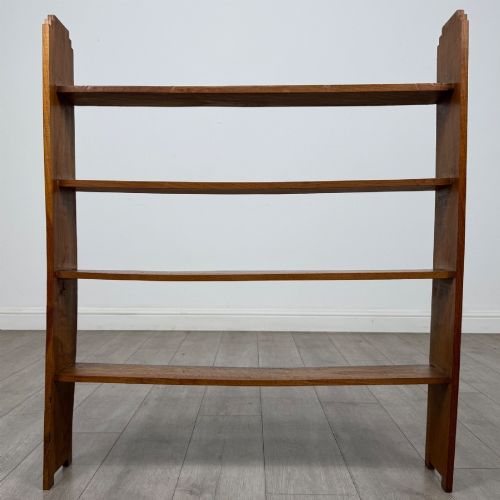
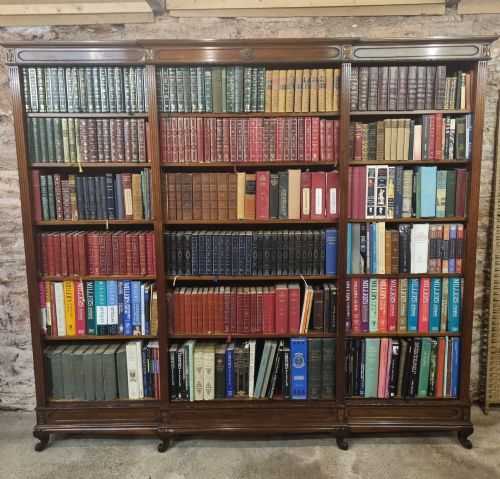
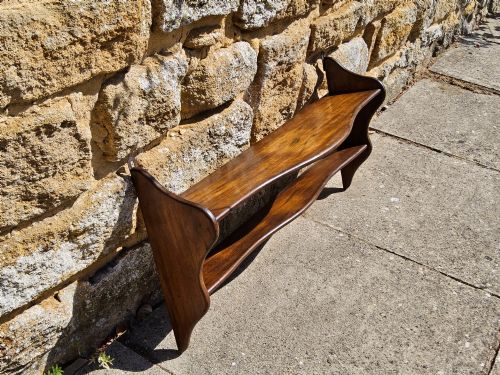
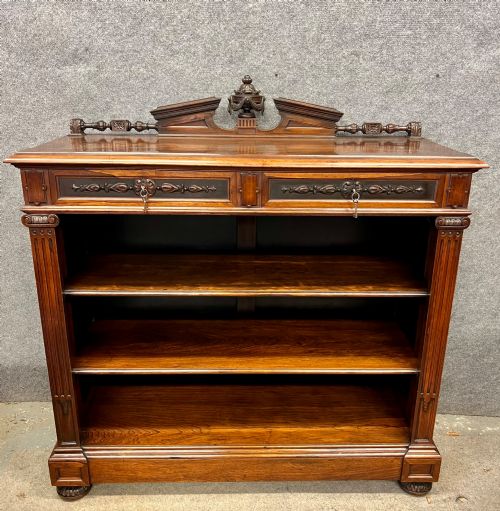
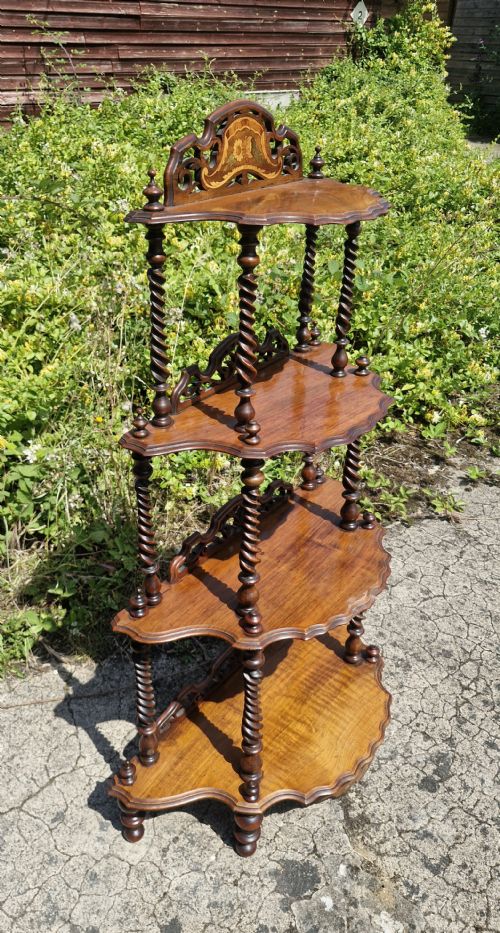
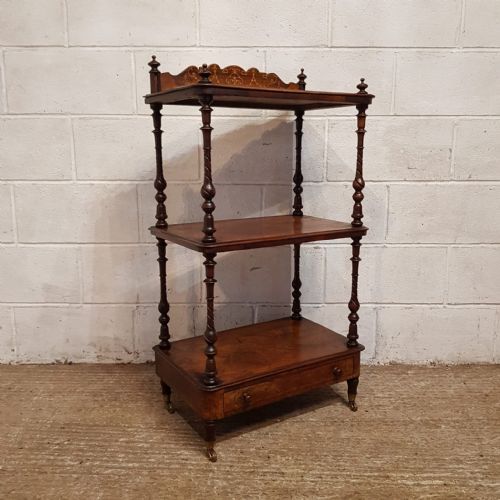
A vintage walnut shelf unit covers open bookcases, tiered whatnots, wall shelves, and etageres originating from the Victorian, Edwardian, and Art Deco periods. Buyers search for these pieces to combine storage with the warm, dark tones of walnut timber.
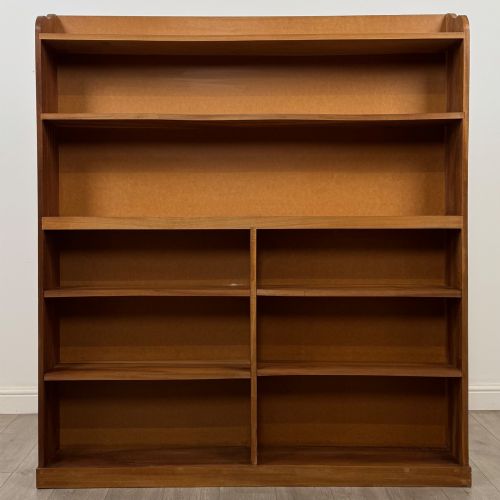
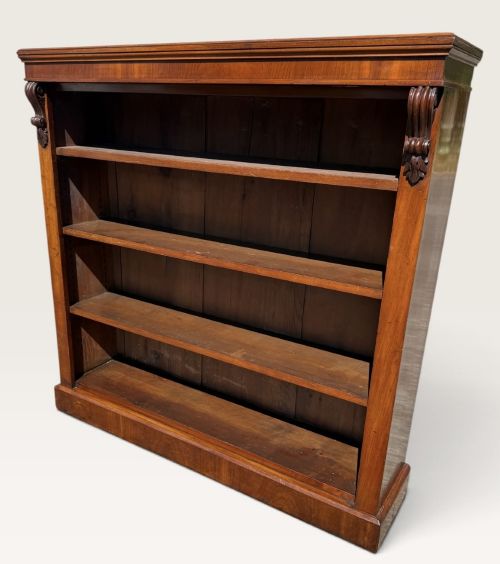
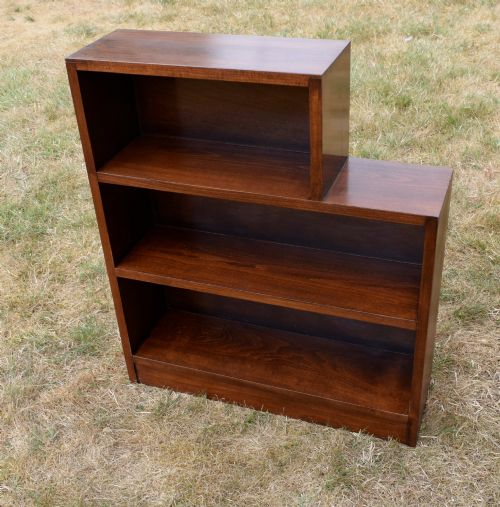
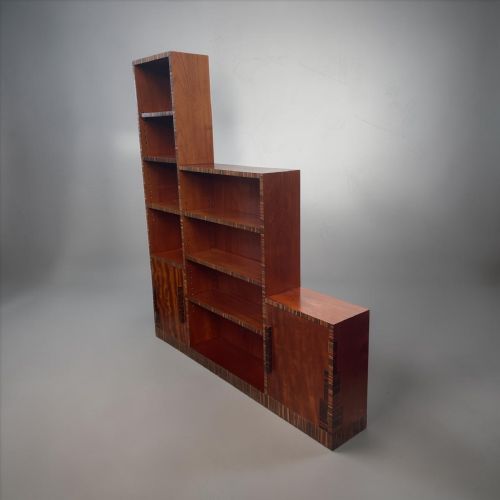
The selections available here span simpler nineteenth-century open bookcases alongside decorative multi-tiered whatnots and stepped Art Deco forms. Victorian and early twentieth-century examples dominate the offerings, often incorporating adjustable shelving or corner designs.
Many items derive from French and English traditions, showing influences from Queen Anne revival styles to French provincial workshops. These structures serve primarily for displaying books, ceramics, or ornaments within domestic interiors.
What separates standard examples from the finest pieces
Quality rests significantly upon the choice of timber, where intensely figured burr walnut veneer or finely matched grain patterns elevate a piece above plain timber construction. The crispness of hand-carved details and inlaid marquetry further distinguishes superior workshop output.
Structural integrity and the survival of original components, such as brass shelf supports and backing mirrors, dictate the standing of an item. Pieces retaining their original finish and movement without excessive timber shrinkage represent higher levels of period craftsmanship.
Vintage Walnut Shelf Unit Retail Price Guide 2026
Typical asking prices for vintage walnut shelf unit among the pieces listed under this phrase on Sellingantiques today, from the lower quarter to the upper quarter. They describe what is for sale here now, not the wider market.
Listings feature walnut, burr walnut, brass, and mirror glass across periods spanning the Victorian era to the 1930s.
The Vintage Walnut Shelf Unit Glossary
- Burr walnut
- A veneer taken from the growth excrescence of a walnut tree, prized for its swirling, highly decorative grain pattern. It appears frequently on high-end Victorian and Edwardian cabinet work.
- Whatnot
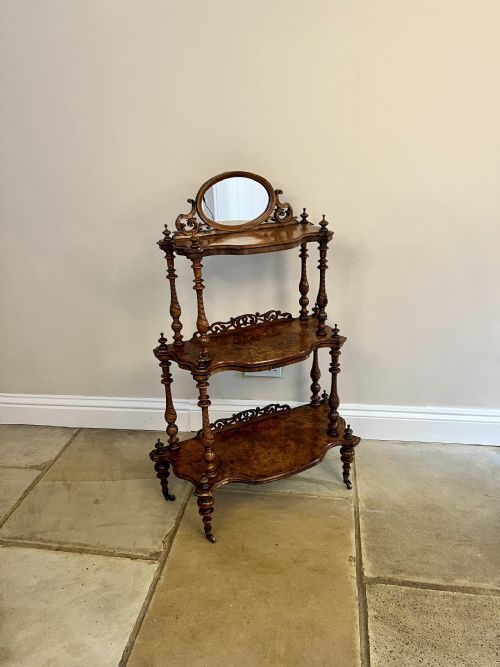
- A multi-tiered open piece of furniture designed for displaying ornaments, books, or curiosities. These structures typically feature three to five shelves supported by turned or carved columns.
- Etagere
- A French term for a set of open shelves used for display, similar in function to a whatnot. They often appear with slender uprights and multi-tiered platforms.
- Break-front
- A piece of furniture where the central section projects forward from the flanking wings. This architectural arrangement adds depth and visual interest to larger bookcases.
- Inlaid
- A technique where contrasting materials such as lighter woods or brass are embedded into the walnut surface to form decorative patterns. It is commonly observed on late Victorian and Edwardian pieces.
Vintage Walnut Shelf Unit: Frequently Asked Questions
What is a whatnot shelf?
A whatnot is a multi-tiered freestanding or corner shelving unit designed specifically for displaying small decorative objects and books.
Originating in the Victorian era, these pieces often feature several platforms supported by slender turned columns, making them both practical and ornamental.
How do I date a walnut bookcase?
Dating relies on examining construction techniques, hardware, and stylistic indicators such as carved motifs or veneer thickness.
Victorian examples often show heavy turned columns or burr walnut veneers, whereas 1930s pieces favour geometric stepped silhouettes and clean lines without excess ornamentation.
Are walnut shelves strong enough for heavy books?
Most antique open bookcases were built with sturdy timber carcases designed to hold substantial libraries, particularly those with adjustable wooden shelving.
However, wall-mounted shelves and delicate multi-tiered etageres suit lighter display items rather than heavy volumes.
What is burr walnut?
Burr walnut is a specialised wood veneer harvested from the gnarled burl growths on walnut trees, yielding intricate and swirling grain formations.
Cabinet makers used this decorative material on the primary surfaces of superior Victorian and Edwardian furniture to catch the light and create visual depth.