

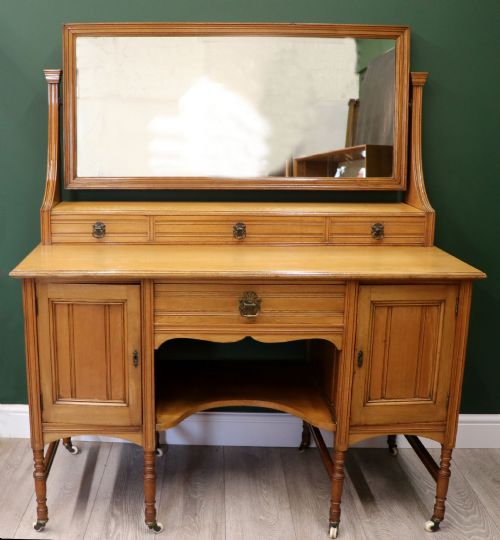


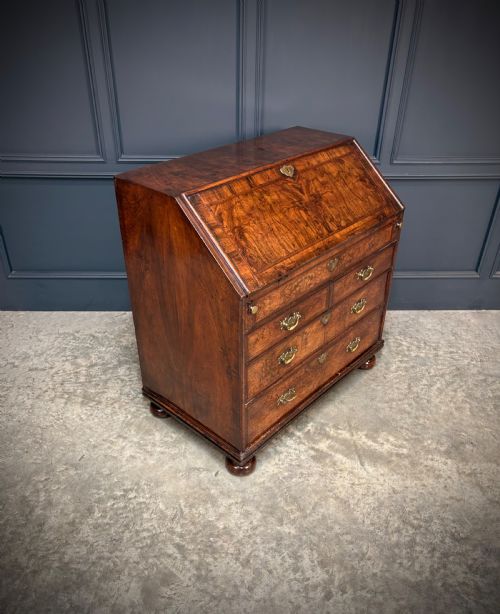


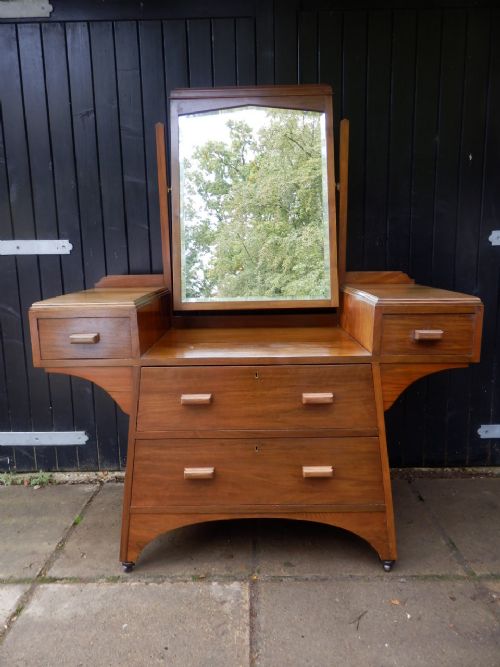

Vintage Walnut Chest with Desk
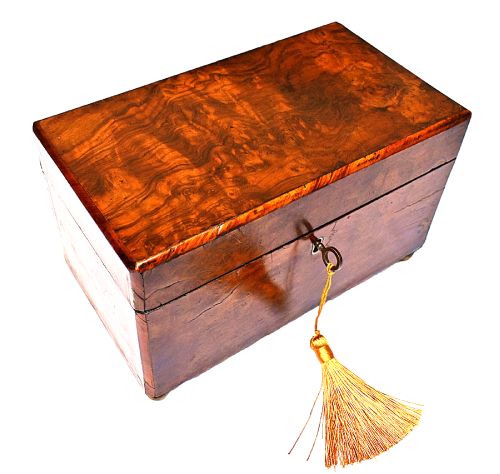
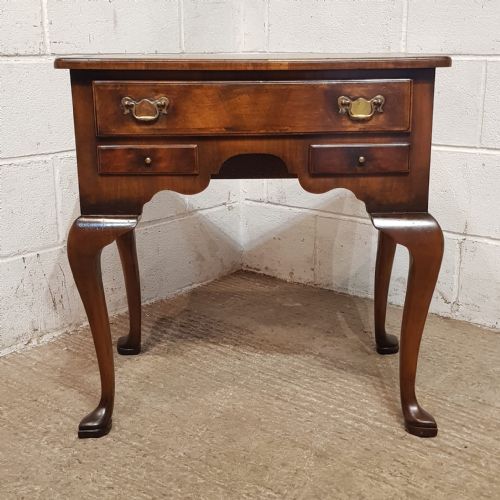
Vintage walnut chest with desk pieces combine timber storage and writing surfaces, offering practical utility for daily correspondence and room centrepieces.
Vintage Walnut Chest with Desk
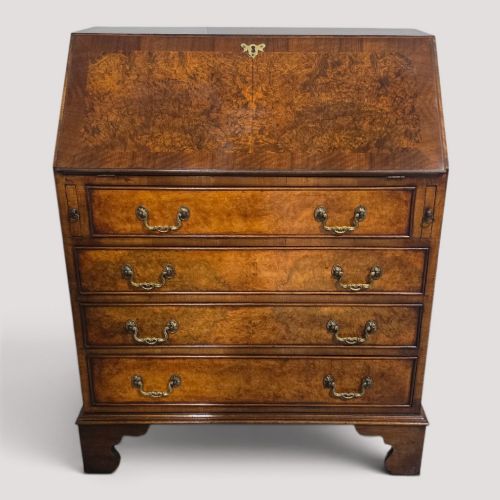
A vintage walnut chest with desk encompasses forms such as writing bureaux, bureau bookcases, escritoires, and writing cabinets that integrate storage drawers with fold-down or fitted writing compartments. Buyers searching for this phrase encounter pieces spanning from the 18th century through the Georgian and Victorian eras up to the 1930s, reflecting diverse historical cabinet-making traditions.
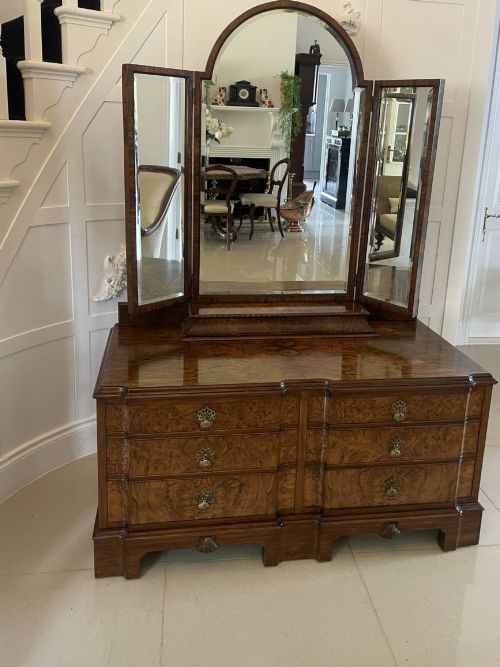
The selection frequently includes bureau forms and dressing chests that double as writing spaces, constructed in walnut and burr walnut with occasional satinwood highlights. These objects serve both functional writing needs and traditional display roles within domestic interiors.
Materials and construction methods
Construction relies heavily on walnut and burr walnut veneer applied over secondary timbers, often complemented by brass hardware, baize writing surfaces, and mirror glass elements. Cabinet-makers utilised these figured veneers to create decorative grain patterns across primary drawer fronts and fall-front desks.
Joinery traditions span multiple centuries, incorporating oak carcases and specialised compartments designed for paperwork, letters, and small valuables. The integration of satinwood banding and fitted interiors demonstrates detailed regional craftsmanship across English and continental workshops.
Vintage Walnut Chest with Desk Retail Price Guide 2026
Typical asking prices for vintage walnut chest with desk among the pieces listed under this phrase on Sellingantiques today, from the lower quarter to the upper quarter. They describe what is for sale here now, not the wider market.
Several pieces come equipped with a key, ready to secure your secret correspondence.
Distinctions in quality and execution
Quality separates through the selection and matching of burr walnut veneer across primary surfaces, where superior examples exhibit symmetrical grain patterns and intact brass mounts. The precision of internal pigeonholes, small drawers, and fitted compartments indicates the tier of cabinet-making involved.
Condition of original surfaces, baize inserts, and glass components influences the overall integrity of each piece. Finer examples retain their structural stability and original decorative details without intrusive alterations to the core walnut timber.
The Vintage Walnut Chest with Desk Glossary
- Escritoire
- A tall writing cabinet featuring a fall-front panel that conceals small drawers and pigeonholes when lowered for correspondence.
- Bureau
- A desk form comprising a sloped writing flap above a bank of drawer storage for papers and household items.
- Burr walnut
- A specialised timber cut from walnut tree growths, prized by cabinet-makers for its intricate, swirling grain patterns.
- Baize
- A woven woollen fabric traditionally used to line the writing surfaces of desks and bureau flaps.
Vintage Walnut Chest with Desk: Frequently Asked Questions
How do I use a bureau desk daily?
Lower the fall-front flap to reveal the internal writing surface and pigeonholes for correspondence.
Store stationery and small items within the fitted drawers when the desk is closed.
What periods do these pieces span?
The selection ranges from 18th-century and Georgian examples to Victorian pieces and 1930s Cotswold School designs.
Each era introduces distinct joinery methods and proportion styles to the walnut furniture.
How do I care for walnut veneer?
Keep wooden furniture away from direct sunlight and sudden temperature shifts to protect the veneer.
Apply traditional wax sparingly and polish gently with a soft cloth to maintain the finish.