





Vintage Wall Lanterns
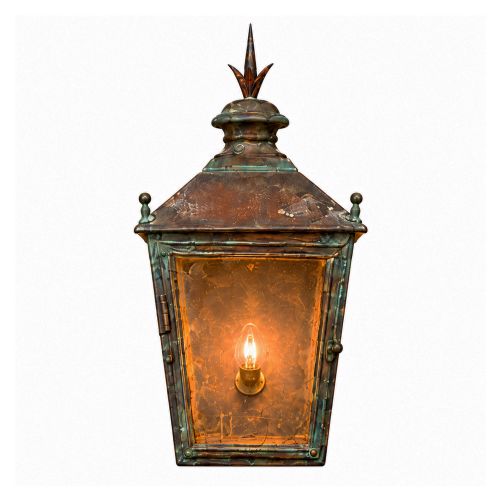
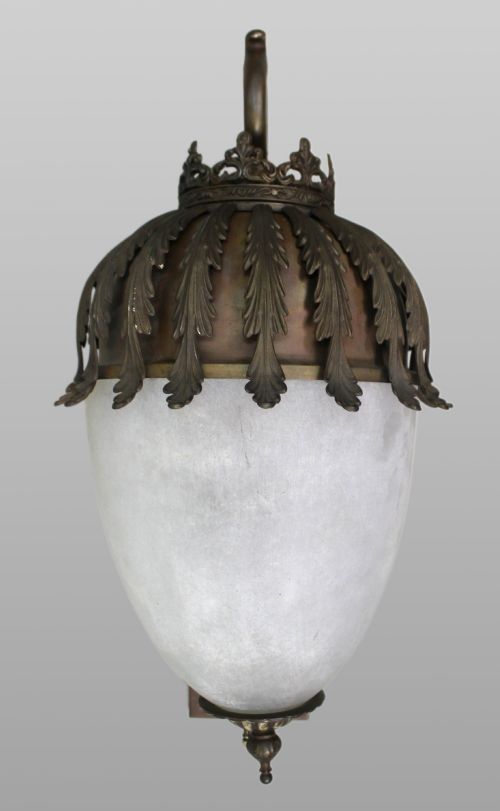
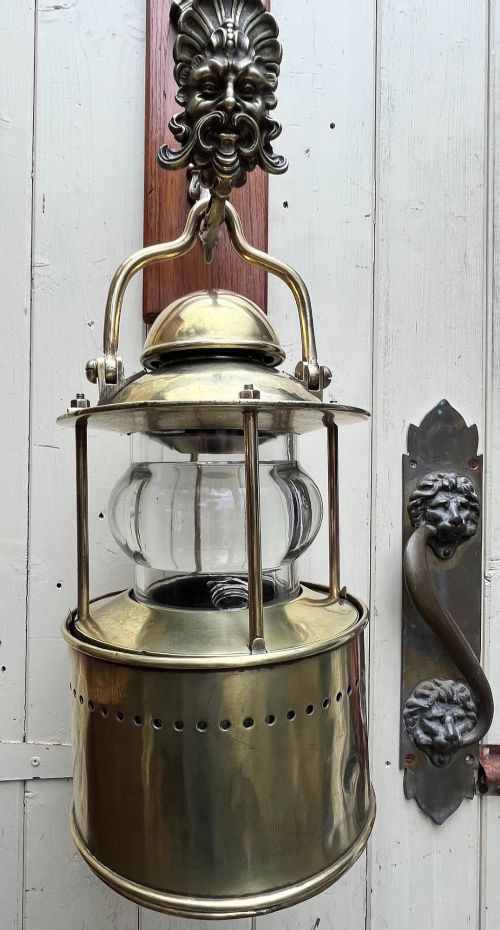
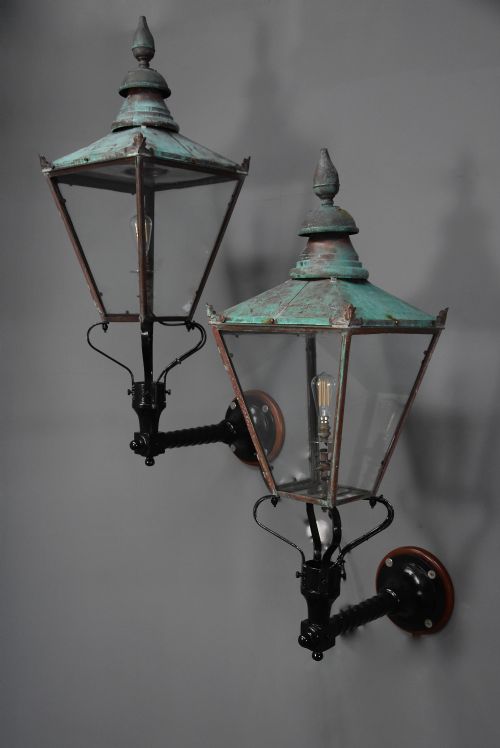
These vintage wall lanterns bring heavy copper, brass, and wrought iron illumination to exterior walls, drawing on nineteenth-century carriage lamps and street lighting.
Vintage Wall Lanterns
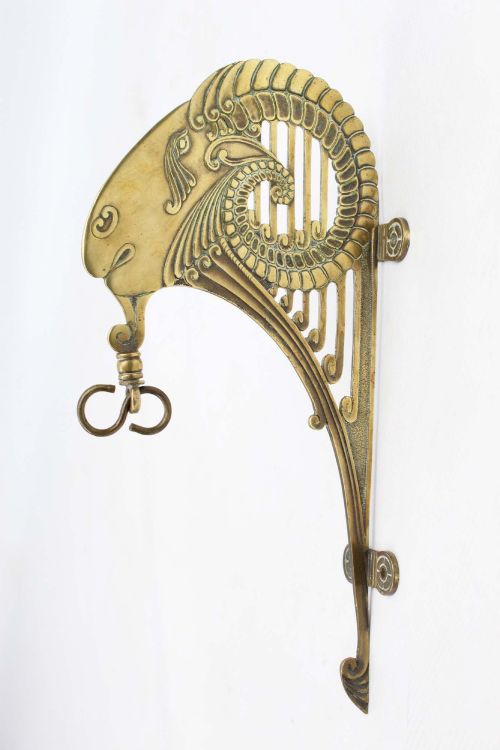
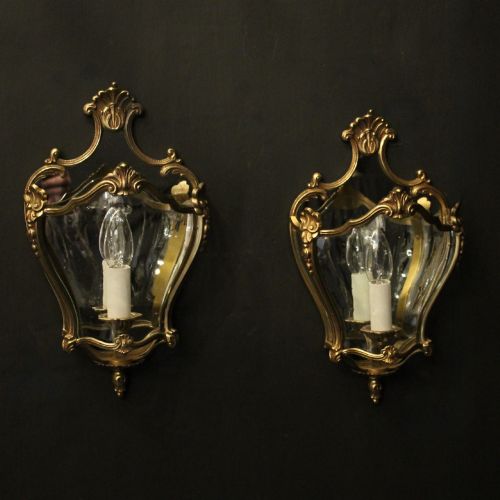
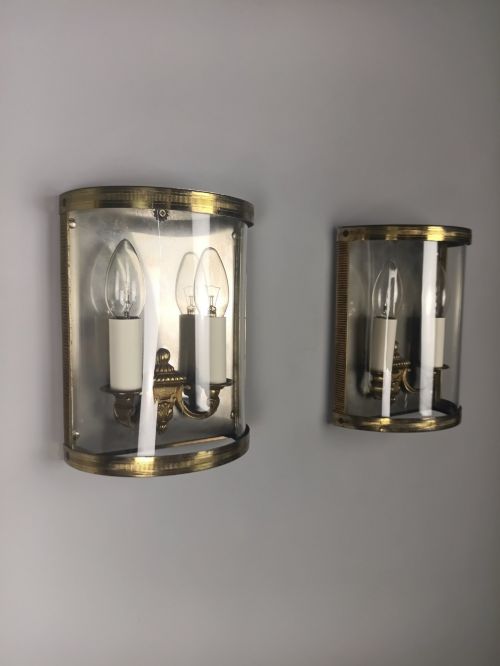
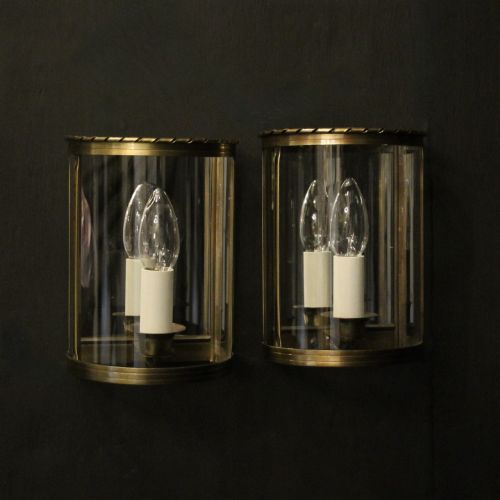
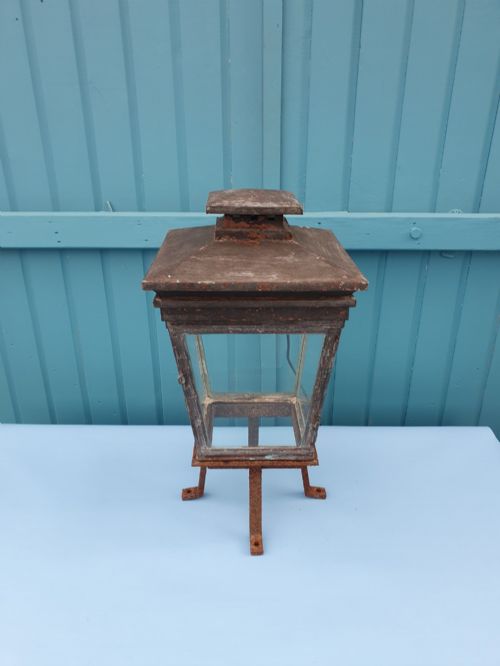
When you search for vintage wall lanterns, you encounter heavy exterior lighting rooted in nineteenth-century coach-houses, railways, and streetscapes. The selection on this page leans heavily toward French half lanterns, robust copper street lights, and brass carriage brackets from the nineteenth and early twentieth centuries.
Makers adapted functional lighting from gas and oil systems into architectural wall fixtures, often pairing glass panels with metal frames. You find everything from compact Victorian carriage lamps to tall Arts and Crafts porch lanterns designed to mount directly beside exterior doors.
Materials and Construction
Makers utilised durable metals such as copper, brass, cast iron, and wrought iron to withstand exposure to the elements. Frames often combine folded sheet copper or cast bronze with soldered joints and structural brackets.
Panels of clear, frosted, or convex glass fit securely into metal rebates to protect the internal burner or bulb. Surfaces show patination from age, including verdigris on copper and applied finishes like gilt or japanning.
Vintage Wall Lanterns Retail Price Guide 2026
Typical asking prices for vintage wall lanterns among the pieces listed under this phrase on Sellingantiques today, from the lower quarter to the upper quarter. They describe what is for sale here now, not the wider market.
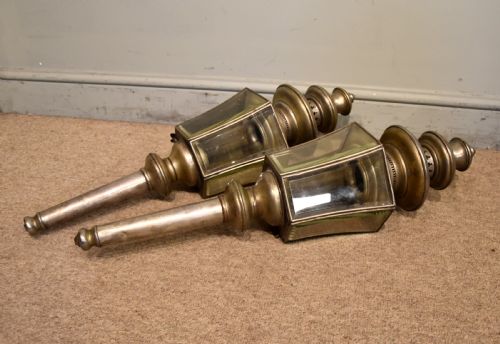
Several heavy railway carriage lamps retain the soot stains from nineteenth-century paraffin burning inside their original copper hoods.
Quality and Construction
The distinction between standard utility lighting and superior examples lies in the weight of the metal gauge and the complexity of the bracket work. Spiral twist wall brackets and cast bronze frames demonstrate greater sculptural ambition than plain folded iron.
Proportion and originality dictate the standing of a piece, particularly where conversion from gas to electricity preserves the original glazing bars and chimney cowls. Matched pairs with uniform patination carry distinct architectural presence compared to single utility units.
Thomas Langley·John Spershott·Revo Tipton
The Vintage Wall Lanterns Glossary
- Half lantern
- A wall-mounted lighting fixture flat on one side to sit flush against masonry. These pieces project outward to cast light across doorways and passages.
- Coach-house style
- A design derived from the lamps mounted beside carriage entrances and stables during the Victorian period. They typically feature protective hoods and glazed sides.
- Verdigris
- A green patina formed naturally on copper and brass through prolonged atmospheric exposure. Collectors value this stable oxidation for its historical appearance.
- Japanning
- A type of European finish that emulates Asian lacquer work, often applied in red or black to metal surfaces. It provides a hard, glossy protective coating.
- Carriage lamp
- A portable or bracket-mounted lamp originally designed for horse-drawn transport. Surviving examples frequently retain their original mounting brackets and side glass.
Vintage Wall Lanterns: Frequently Asked Questions
How do I mount a heavy iron wall lantern?
These robust iron and copper fixtures require secure fixing into solid masonry or timber studs using heavy-duty bracket fixings.
Because many pieces were originally built for gas or oil operation, ensure your electrician provides appropriate internal bracket support for modern weight distribution.
Can I use these lanterns outdoors?
Most of these pieces originate as exterior carriage lamps, street lights, or porch fixtures designed for exposure to weather. Their copper, brass, and iron construction naturally withstands outdoor placement.
Rewiring by a qualified professional ensures the internal lampholders meet modern safety standards for damp or exposed locations.
How do I identify a Victorian carriage lamp?
Victorian carriage lamps generally feature distinctive ventilation cowls at the top and hinged access doors for trimming wicks. They often incorporate brass or copper plates and were built to withstand the vibration of horse-drawn travel.
Compare the mounting brackets and glass panel shapes against nineteenth-century railway and coach lighting conventions to confirm the period.
What is a half lantern used for?
Half lanterns feature a flat backplate designed to sit directly against a wall surface, projecting forward to illuminate narrow porches and entranceways. This profile saves space while maintaining the visual presence of a full lantern.
French half lanterns from the early twentieth century frequently utilise convex glass panes to spread light across a wider angle.