

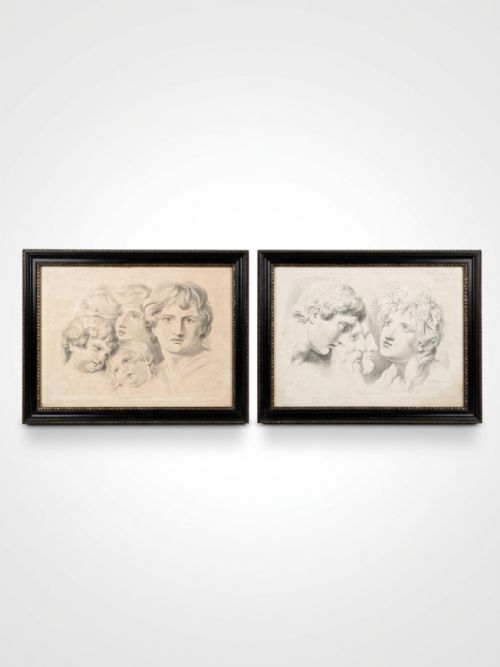




Vintage Wall Head
These vintage wall head pieces bring sculptural presence and historic character to a room.
Vintage Wall Head
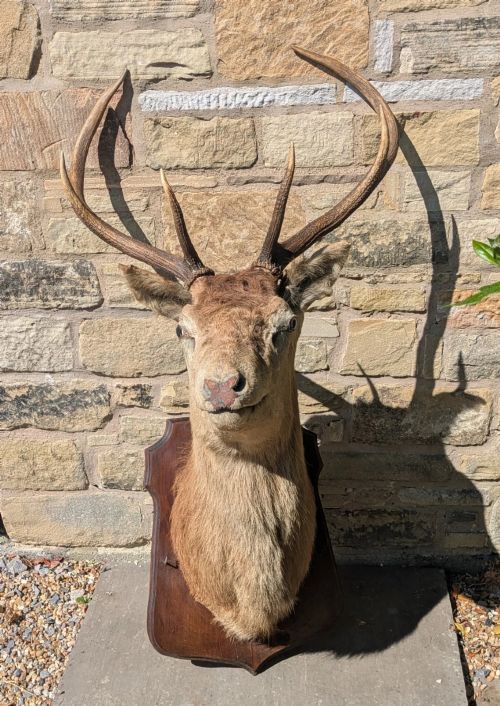
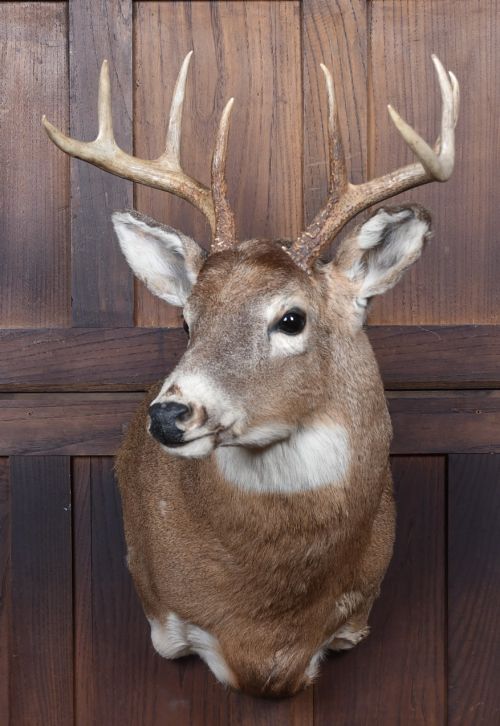
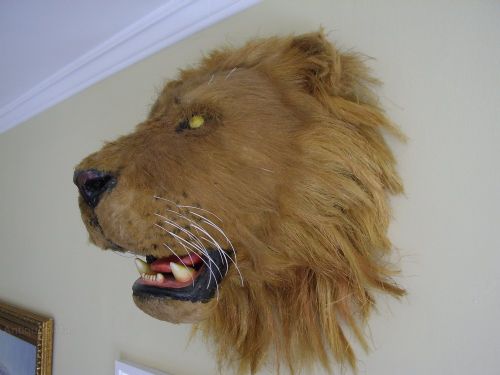
When you search for vintage wall head, you encounter sculptural animal trophies, carved wooden masks, and cast metal mounts designed to hang directly on interior surfaces. These pieces draw from nineteenth-century natural history traditions, Highland lodge aesthetics, and twentieth-century decorative arts.
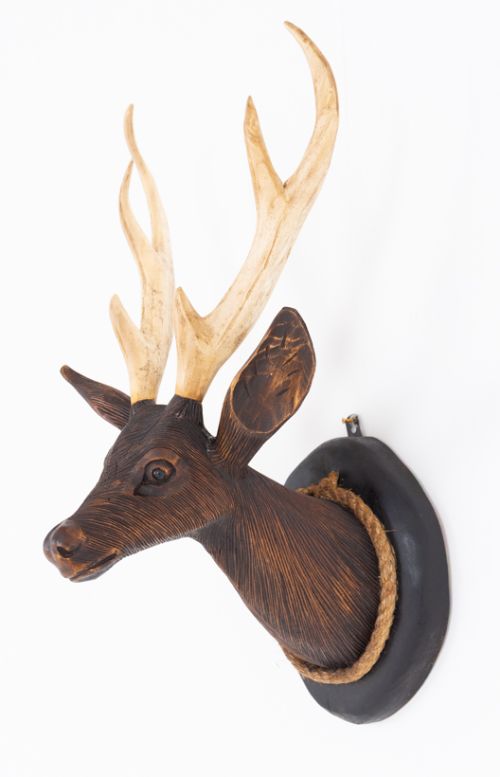
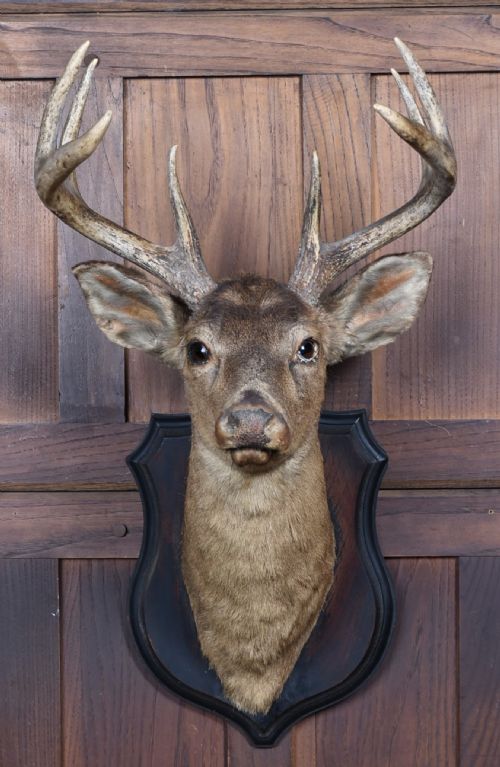
The selections span taxidermy mounts of deer and antelopes, carved oak and walnut animal plaques, and neoclassical brass or bronze wall masks. Such objects reflect distinct periods of interior decoration ranging from the Victorian era through the Art Deco epoch.
How they were made
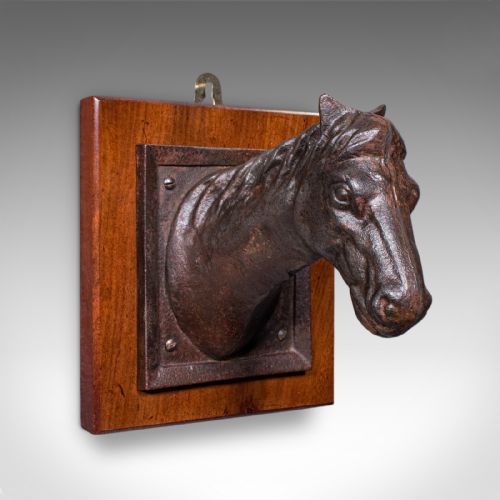
Makers utilised taxidermy hide, horn, and antler mounted upon carved wooden shields or oak panels, blending natural specimens with carpentry. Alternatively, artisans cast brass, bronze, and iron into intricate animal masks, wall brackets, and sconces.
Vintage Wall Head Retail Price Guide 2026
Typical asking prices for vintage wall head among the pieces listed under this phrase on Sellingantiques today, from the lower quarter to the upper quarter. They describe what is for sale here now, not the wider market.
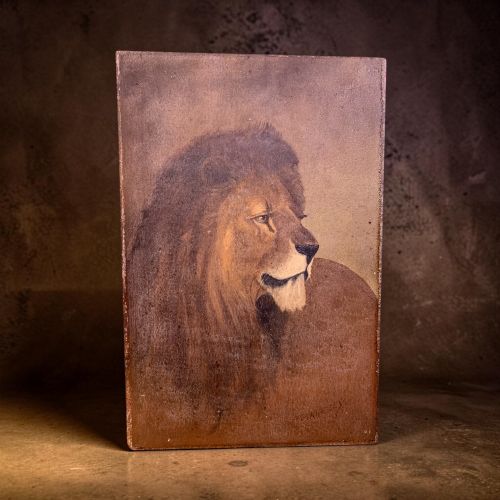
One naive folk art oil portrait depicts a lion watching the room with quiet skepticism.
What varies in quality
The distinction between ordinary and superior pieces rests upon the anatomical accuracy and expressive depth of the carving or taxidermy preparation. Master taxidermists and skilled woodcarvers capture realistic musculature and lifelike posture that lesser examples miss.
Materials and mounting hardware also determine the calibre of a piece, with heavy cast bronze, solid walnut, and original shield backings outperforming lighter composite substitutes. The crispness of detail in cast metal masks and the preservation of natural hide indicate higher execution standards.
Edward Gerrard and Sons·Mintons·George Stanfield Walters·L Morris Islington·Adam Rouilly
The Vintage Wall Head Glossary
- Taxidermy
- The art of preparing, stuffing, and mounting the skins of animals for display. Nineteenth-century practitioners developed specialised preservation methods for large mammalian trophies.
- Black Forest
- A nineteenth-century style of intricate wood carving originating from the wooded mountain region in Germany. These pieces typically depict local fauna in carved walnut.
- Ormolu
- Gilt bronze ornamentation applied to furniture, lighting, and decorative mounts. Artisans fire-gilded the bronze with a mercury and gold amalgam during the eighteenth and nineteenth centuries.
- Corbel
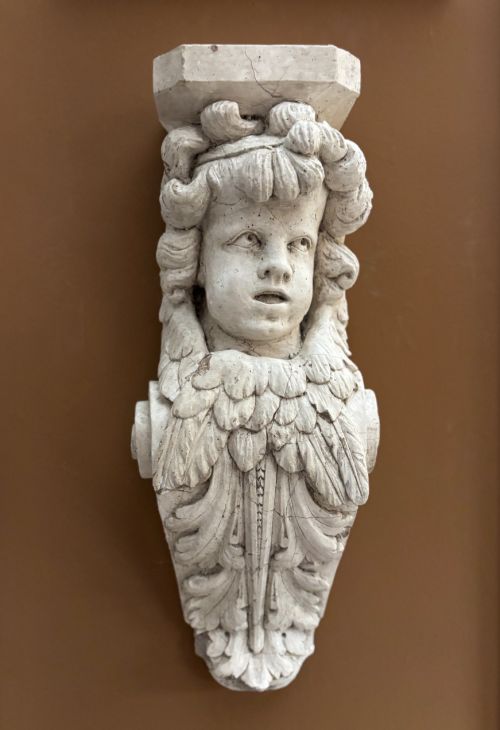
- A structural or decorative bracket projecting from a wall to support a weight. In decorative arts, these often take carved figural or animal forms.
- Neo-classical
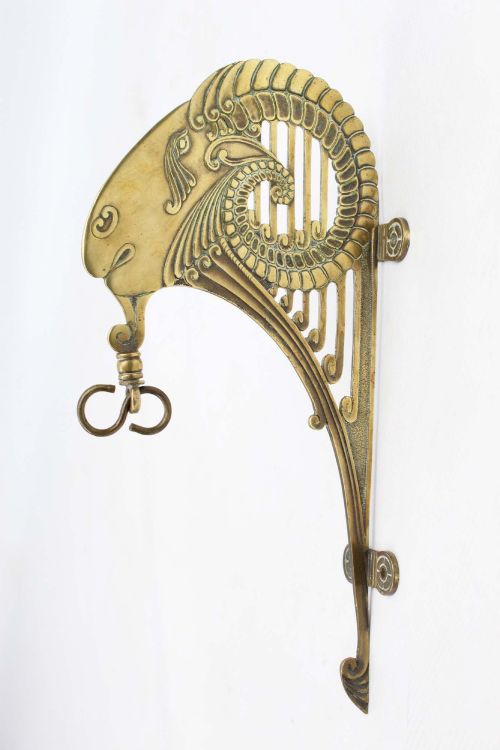
- A style inspired by the classical art and architecture of ancient Greece and Rome. This aesthetic manifests in symmetrical wall lights and cast bronze ram head masks.
Vintage Wall Head: Frequently Asked Questions
How do I hang a vintage wall head safely?
Heavy taxidermy mounts and carved wooden plaques require sturdy wall anchors and screws fixed directly into structural studs. Ensure the hanging wire or integrated metal bracket can support the substantial weight of the wooden shield and animal bust.
Position the piece at eye level to replicate historical display methods found in country houses and lodges. Check the wall construction beforehand to prevent the mount from pulling loose over time.
How should I clean taxidermy and carved wood?
Dust taxidermy hair and fur gently with a soft, clean brush moving in the direction of the grain. Avoid using water or chemical cleaners on preserved hides, as moisture damages the skin.
Carved wooden plaques and brass mounts tolerate a light dusting with a dry microfiber cloth. Treat wooden surfaces occasionally with appropriate conservation wax if the material appears dry.
What periods do these wall heads come from?
The pieces originate primarily from the nineteenth and early twentieth centuries, spanning the Victorian, Edwardian, and Art Deco periods. Natural history taxidermy and Black Forest carvings frequently date from the late eighteen-hundreds to the nineteen-twenties.
Later decorative props and interpretations also appear alongside antique originals. Examining the backing materials, mounting screws, and wood ageing helps clarify the specific era of manufacture.