



Vintage Wall Bell
These vintage wall bell pieces bring functional period chime and call systems straight from maritime, domestic, and institutional settings into your rooms.
Vintage Wall Bell
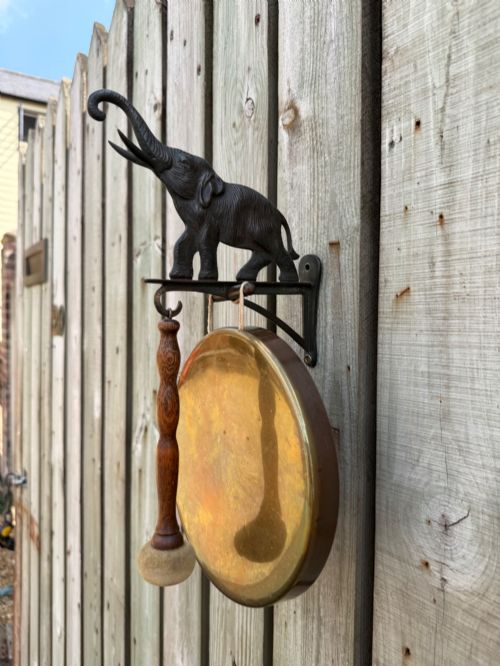
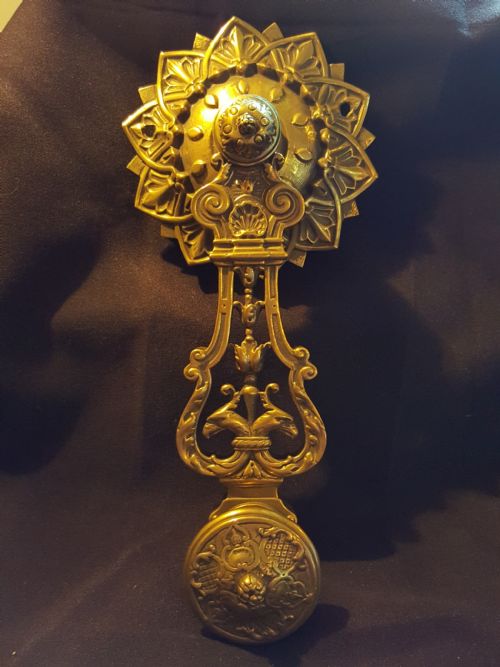
When you search for a vintage wall bell, you are looking at sound-producing metal instruments designed to mount securely onto vertical surfaces for signalling, timing, or summoning. These pieces derive from diverse functional traditions, ranging from heavy bronze tower bells on hanging brackets to intricate brass and cast iron servants bells.
The versions you are most likely to meet on this page span several centuries and styles, taking forms such as Victorian servants bells, brass hanging bells, and robust iron bracket mounts. They capture an era when audible signals governed households, institutions, and maritime vessels before modern electronics took over.
Makers utilised various mounting systems, pairing metal bells with wrought iron, oak, or decorative brackets designed to project the sound clearly across a room or hallway. Each example reflects the specific utilitarian requirement of its original context, whether calling staff in a large residence or chiming the hour.
How they were made
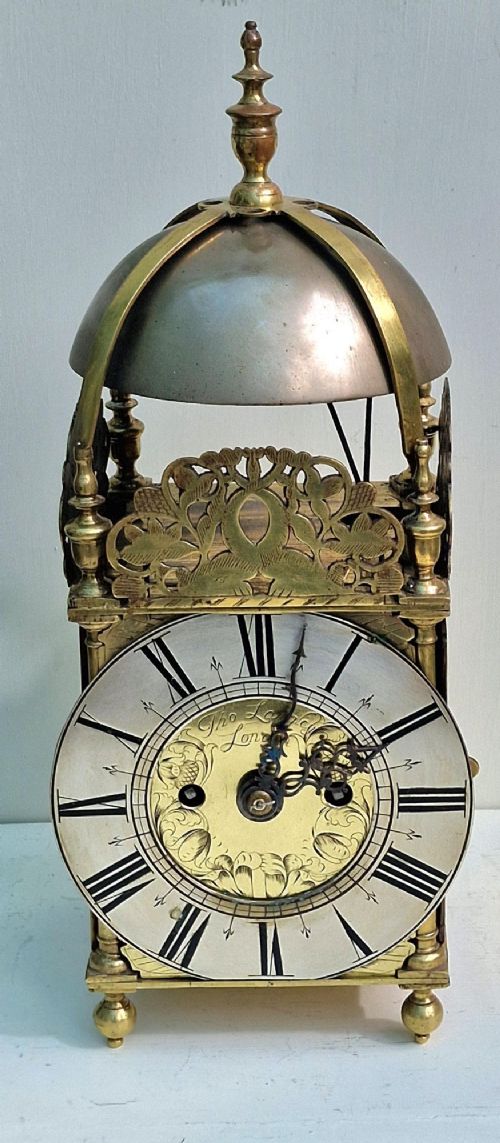
The construction of these pieces relies heavily on durable metals, predominantly brass, bronze, and cast iron, chosen for their resonant acoustic qualities and structural strength. Founders cast the bells to precise thicknesses to achieve a clear, sustaining tone when struck by a clapper or external hammer.
Mounting hardware frequently incorporates wrought iron brackets, oak backplates, and glass or paper elements where part of a broader assembly or associated housing. Metal components undergo casting, forging, and basic machining to ensure secure attachment to walls and reliable mechanical movement.
Vintage Wall Bell Retail Price Guide 2026
Typical asking prices for vintage wall bell among the pieces listed under this phrase on Sellingantiques today, from the lower quarter to the upper quarter. They describe what is for sale here now, not the wider market.
Listings feature periods spanning from the 17th century through the Victorian era up to the mid-20th century.
What varies in quality
Quality in these items rests in the purity of the metal alloy and the precision of the casting, which together determine the resonance and sustain of the sound produced. Heavier bronze and thick brass examples with original brackets represent a superior standard compared to lighter, purely decorative later castings.
The integrity of the mounting bracket and the originality of the hanging mechanism further separate robust utilitarian pieces from heavily altered or replacement assemblies. Surviving period brackets and complete striking mechanisms elevate the historical and acoustic value of the piece.
The Vintage Wall Bell Glossary
- Bracket
- A structural support projecting from a wall to hold the weight of the bell and its hanging mechanism.
- Bronze
- A copper alloy traditionally used for heavy tower and marine bells to achieve deep, carrying resonance.
- Servants bell
- A mechanical call bell system mounted indoors to summon household staff from different rooms.
- Tower bell
- A large, heavy bronze bell designed for high placement and long-distance acoustic projection.
Vintage Wall Bell: Frequently Asked Questions
How were these bells originally used?
These bells served practical signalling purposes in homes, institutions, and ships, alerting occupants or summoning staff.
Operators rang them using pull cords, direct manual strikes, or clockwork striking trains connected to internal hammers.
Are these bells still functional?
Many examples retain their original mechanical ability to strike and produce a clear acoustic tone when activated.
Functionality depends on whether the clapper, bracket, and striking mechanism remain intact and properly adjusted.
How do I mount a wall bell safely?
Secure mounting requires fixing the iron or metal bracket directly into solid wall studs or using appropriate masonry anchors.
Due to the weight of bronze and brass bells, stable wall attachment is essential to support the force of striking.
How can I tell the period of a bell?
Dating relies on examining the casting methods, the style of the iron bracket, and the materials used in the backplate.
Victorian and earlier examples often feature hand-finished cast iron brackets and heavy brass or bronze patination.