



Vintage Walking Weapon
These vintage walking weapon pieces conceal steel blades or blunt force within everyday supports, offering discreet personal defence from Victorian and Edwardian decades.
Vintage Walking Weapon
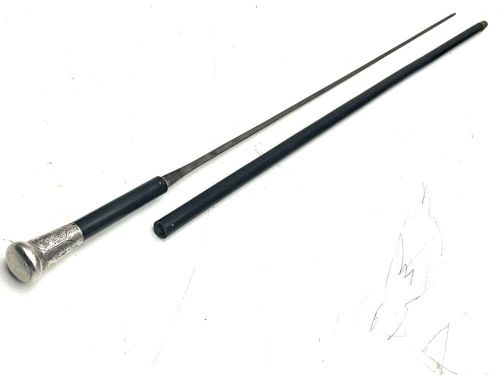
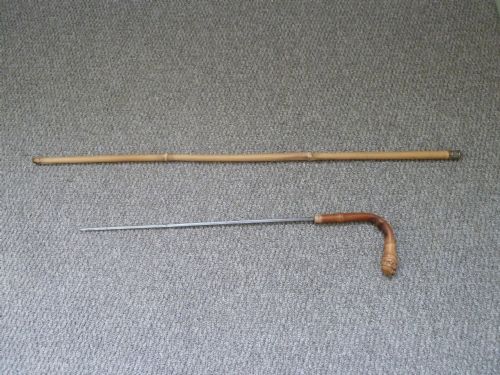
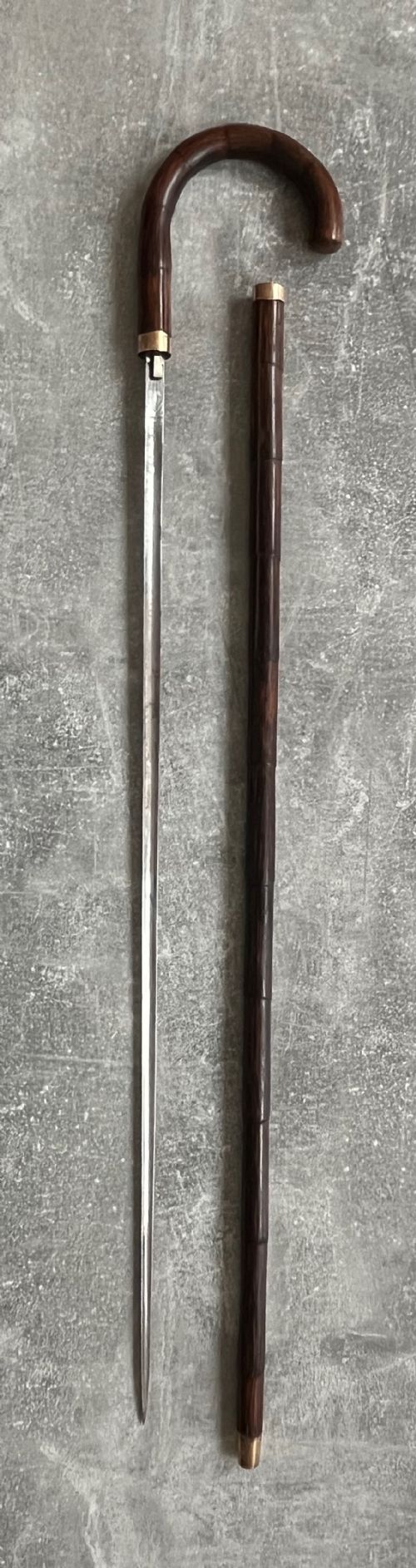
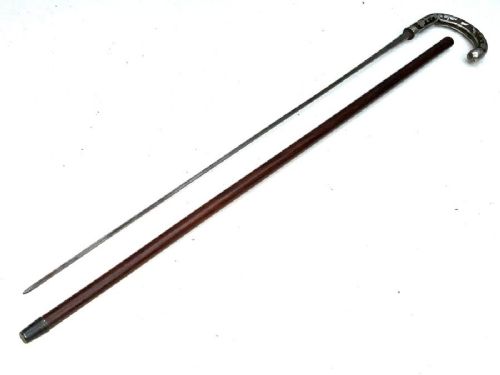
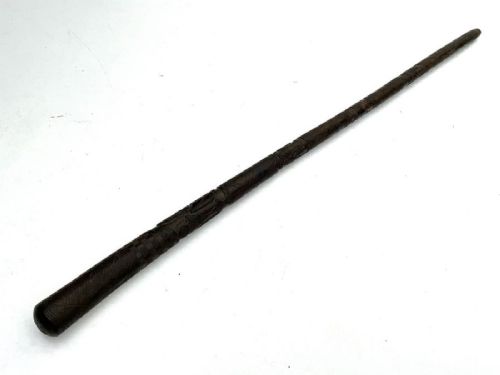
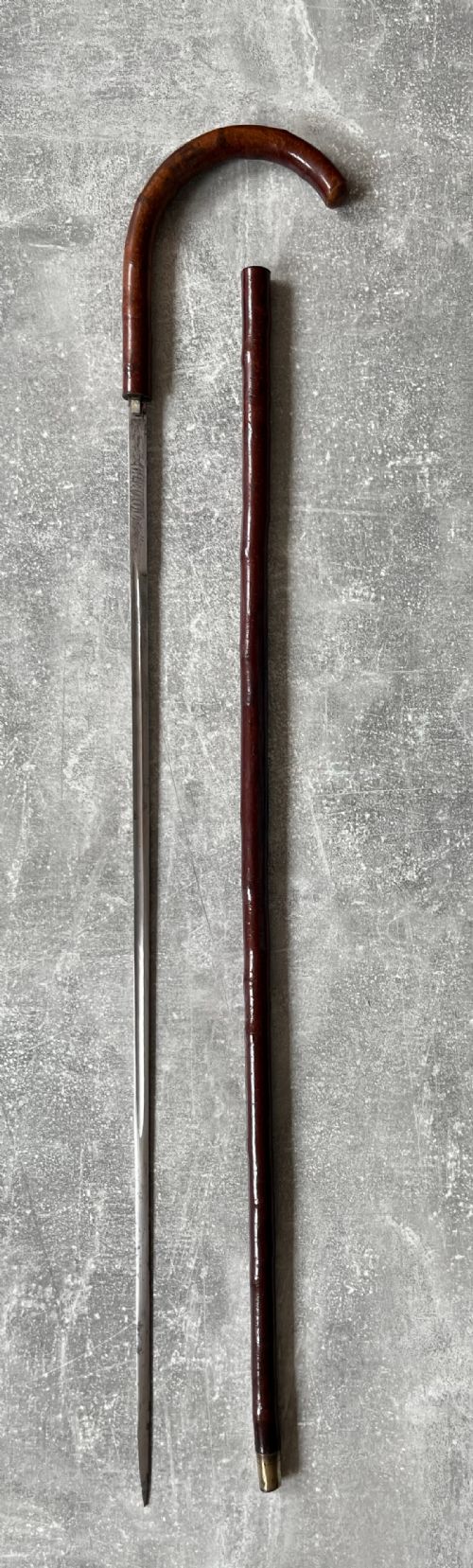
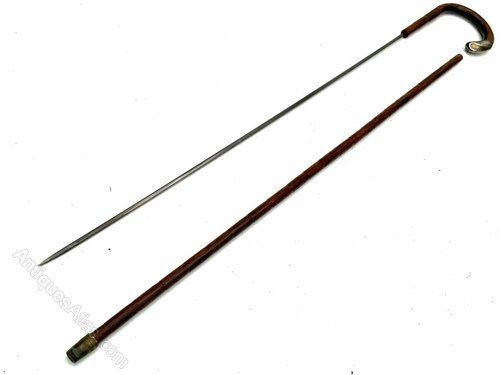
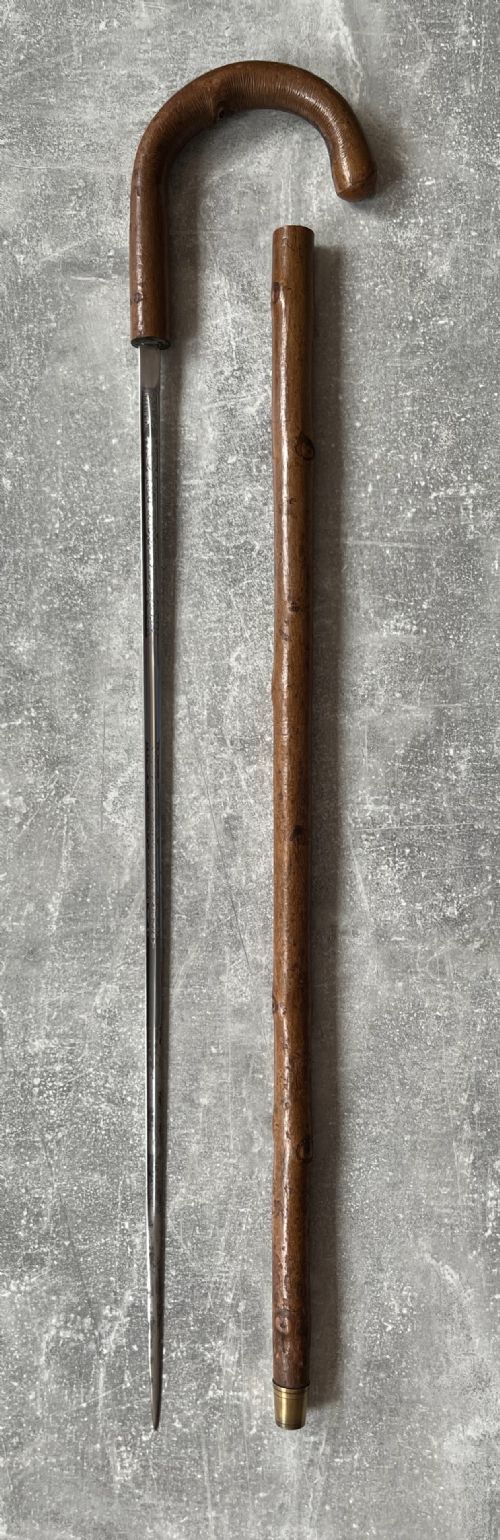
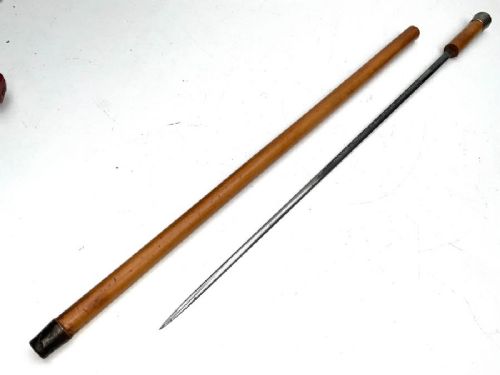
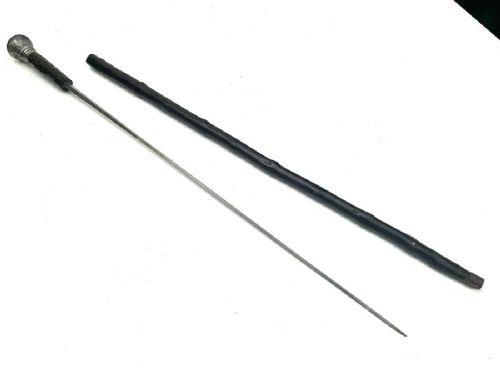
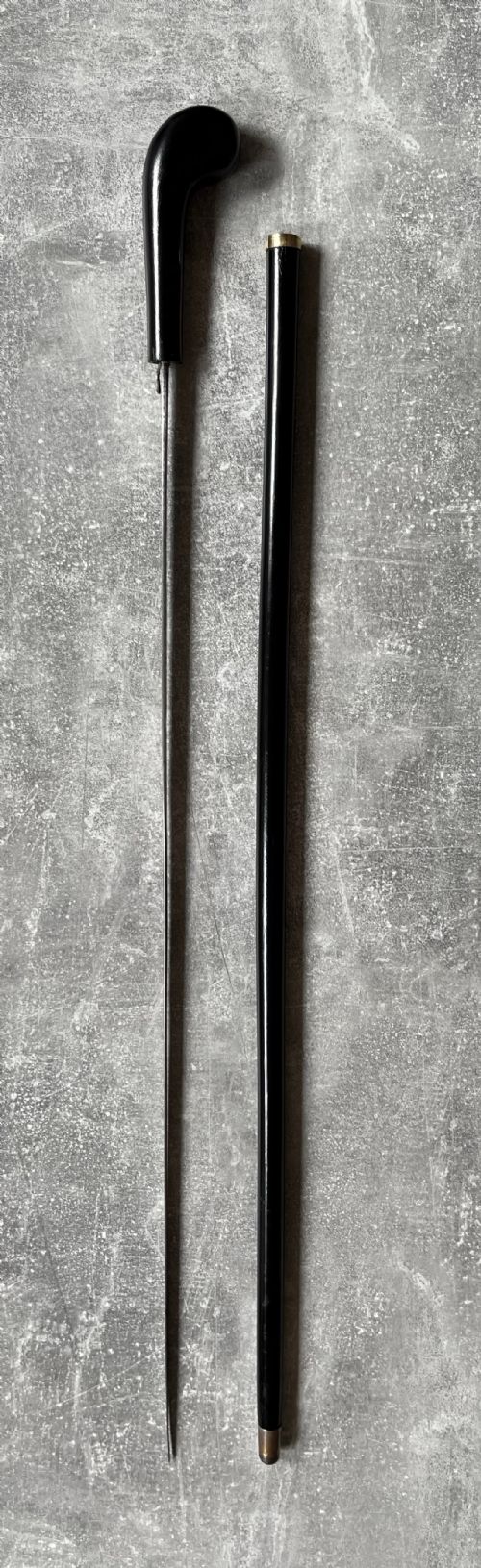
A vintage walking weapon combines a concealed blade or club with the appearance of a standard gentleman's support. The selection spans sword sticks, daggers, and ethnographic throwing clubs designed for everyday carrying.
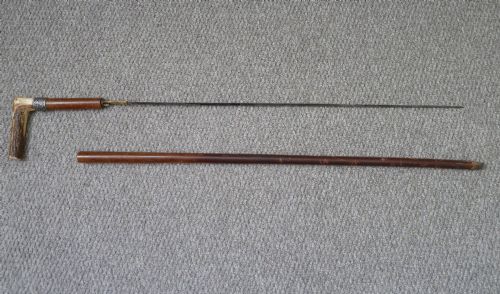
Most examples originate from the Victorian, Edwardian, and early twentieth-century periods. These items range from plain ebonised wood shafts to decorated pieces featuring silver mounts and carved horn handles.
Makers such as Brigg and Wilkinson appear alongside traditional Japanese bokken sticks and Zulu knobkerries. Buyers encounter both British urban accessories and continental European designs on this page.
Materials and construction methods
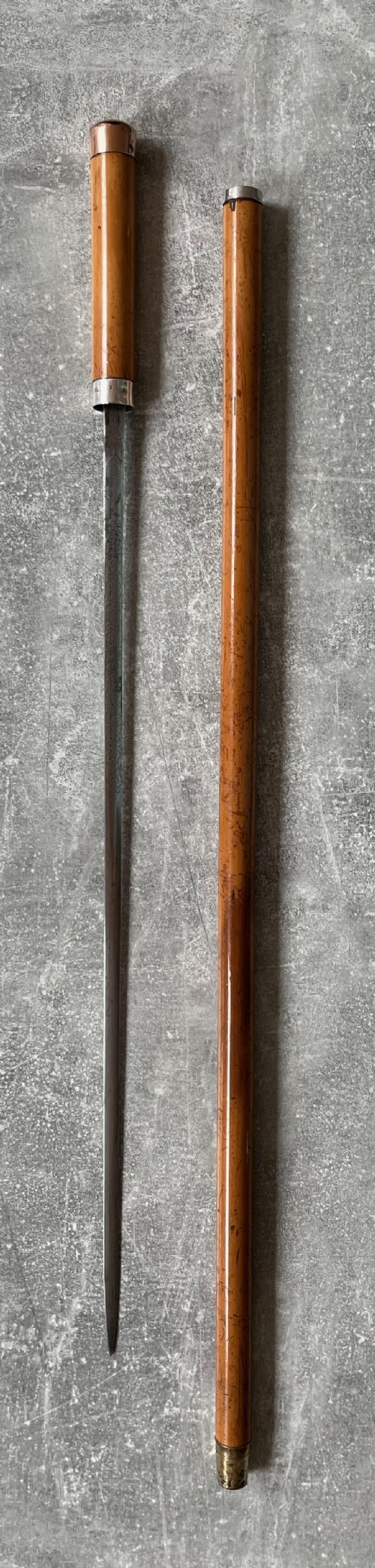
Shafts rely on natural timbers like malacca, partridge wood, cherrywood, hazel, holly, chestnut, and ebonised wood. Some shafts utilise leather coverings or snakeskin hafts over a wooden core.
Blades are forged from steel, often featuring Toledo production or manufacturer marks from Wilkinson. Handles incorporate horn, antler, bone, silver collars, and gold-coloured mountings.
Vintage Walking Weapon Retail Price Guide 2026
Typical asking prices for vintage walking weapon among the pieces listed under this phrase on Sellingantiques today, from the lower quarter to the upper quarter. They describe what is for sale here now, not the wider market.
Distinctions in craftsmanship and origin
Quality separates mass-produced utility items from pieces bearing maker signatures like Brigg or Wilkinson. Superior construction shows in the precision of the blade fitting and the solidity of the handle attachment.
Materials dictate value through the choice of exotic woods, solid silver mounts, and carved horn or antler grips. Fine detailing on collars and engraved blades elevates certain specimens above standard timber shafts.
Brigg·Wilkinson·Kashi Japanese Masters
The Vintage Walking Weapon Glossary
- Sword stick
- A walking cane containing a concealed steel blade within the shaft. The mechanism usually relies on a screw or latch release.
- Malacca
- A type of rattan cane featuring characteristic rings or nodes along the length, valued for flexibility and strength. It forms the body of many fine walking sticks.
- Knobkerrie
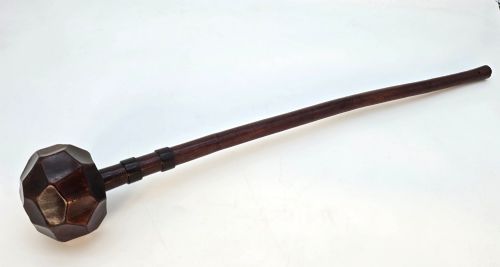
- A traditional southern African wooden throwing club with a heavy rounded head. Used primarily as a weapon and symbol of status.
- Bokken
- A Japanese wooden sword used for training, traditionally shaped like a katana. These pieces reflect martial arts heritage.
- Collar
- A metal band, often silver or gold-coloured, fitted around the top of the shaft beneath the handle. It frequently carries maker marks or personal initials.
Vintage Walking Weapon: Frequently Asked Questions
What is a vintage walking weapon?
A vintage walking weapon is a disguised defensive item, such as a sword stick or club, made to resemble a standard cane or walking stick.
These pieces date largely from the nineteenth and early twentieth centuries, serving both as gentleman's accessories and practical protection.
How do I identify a sword stick?
A sword stick conceals a steel blade inside the hollow wooden or bamboo shaft. The handle separates from the body to reveal the weapon.
Examination of the collar joint and locking mechanism usually shows how the blade secures into the cane.
How do I care for a sword stick?
Keep the wooden shaft and internal steel blade dry to prevent warping and corrosion. Occasional light oiling protects the metal components.
Store the stick upright or resting horizontally to avoid stressing the joint between the handle and the shaft.