





Vintage Veneer Chest
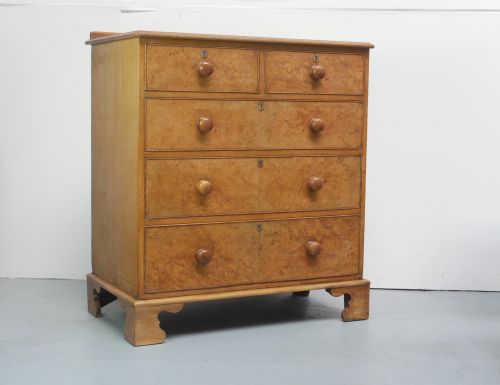
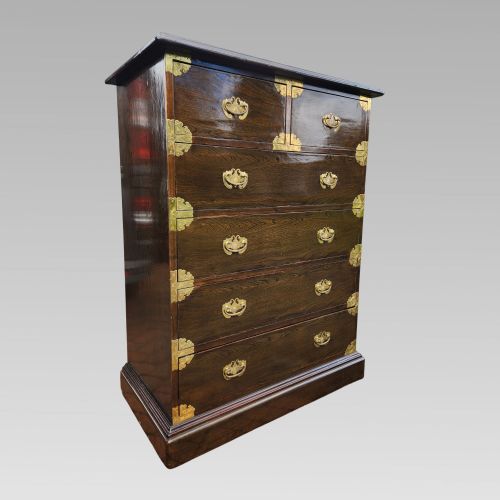
These vintage veneer chest pieces bring rich figured grain and history into a room, offering both practical storage and striking surface pattern.
Vintage Veneer Chest
A vintage veneer chest encompasses storage furniture and smaller boxes surfaced with decorative wood cuts, spanning tallboys, commodes, and bedside tables.
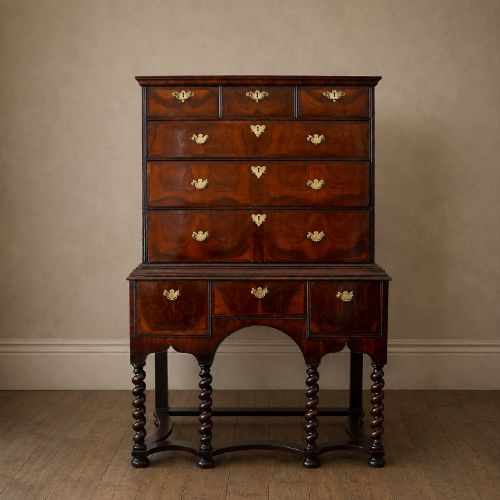
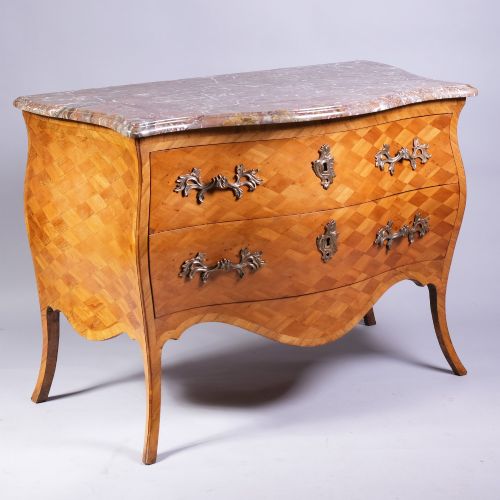
The selections on this page range from early eighteenth century walnut designs on stands to 1930s Art Deco pieces and nineteenth century French marble topped commodes.
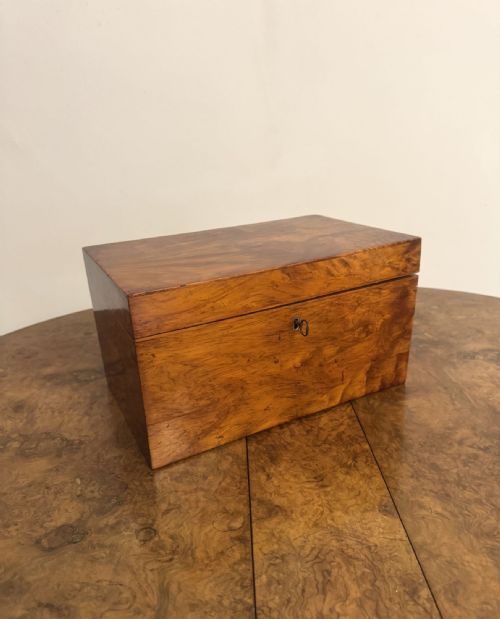
Buyers will frequently encounter larger drawer units alongside smaller decorative boxes and tea caddies finished in figured timbers.
Materials and construction
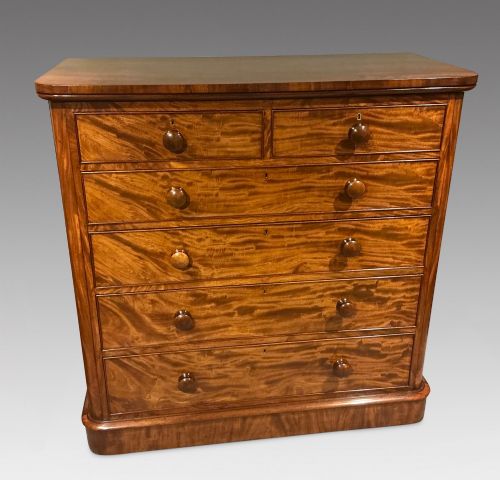
Cabinet makers applied thin slices of decorative timber such as walnut, flame mahogany, burr ash, and laburnum oyster over solid secondary woods like pine or oak.
Surfaces were frequently completed with brass hardware, including drop handles and escutcheons, while certain continental commodes incorporated marble or faux marble tops.
Vintage Veneer Chest Retail Price Guide 2026
Typical asking prices for vintage veneer chest among the pieces listed under this phrase on Sellingantiques today, from the lower quarter to the upper quarter. They describe what is for sale here now, not the wider market.
A tiny collector's box arrives decorated with intricate specimen bone veneers, proving that grand ambition often dwells in small packages.
What separates the grades
Quality rests in the selection and matching of the grain patterns across the drawer fronts and top, where symmetrical bookmatching creates a harmonious visual rhythm.
The integrity of the underlying timber framework and the precision with which the thin decorative slices were laid down determine the enduring structural stability of the piece.
R H & J Simpson
The Vintage Veneer Chest Glossary
- Veneer
- A thin layer of figured wood applied to a solid secondary timber substrate. This technique allowed makers to display dramatic grain patterns without using solid costly lumber.
- Oyster veneer
- Circular cross-sections cut from small branches or roots, arranged to form a repeating oyster-like pattern across the surface. It appears frequently on pieces from the seventeenth and early eighteenth centuries.
- Commode
- A low chest of drawers or cabinet, often of French origin. These pieces frequently feature marble tops and shaped fronts.
- Chest on stand
- A drawer section elevated on a separate frame with legs. This form provides an airier silhouette than a standard ground-resting chest.
- Parquetry
- Geometric patterns formed by fitting small pieces of wood veneer together. This technique creates tiled surface designs on tabletops and cabinet fronts.
Vintage Veneer Chest: Frequently Asked Questions
How do I clean a veneer chest?
Dust surfaces regularly with a soft, dry cloth to prevent grit accumulation.
Avoid excessive moisture and harsh chemical polishes which can lift the thin wood layers from the substrate.
Are these chests suitable for daily use?
Most pieces function well for general storage when handled with reasonable care.
Drawers should be opened evenly and heavy items kept on lower shelves to protect older joints.
How do I date a veneer chest?
Examine the construction methods of the drawer linings and the secondary woods used underneath the surface.
Stylistic markers like brass handle shapes and the specific cut of the veneer also point toward particular decades.
What is the difference between a commode and a chest?
A commode typically refers to a decorative European low chest of drawers, frequently finished with a marble top.
Standard chests tend to be taller upright storage units originating from British or continental workshops.