


Vintage Velvet Seating
These vintage velvet seating pieces offer tactile warmth and period elegance, bringing rich texture and heritage design to a room.
Vintage Velvet Seating
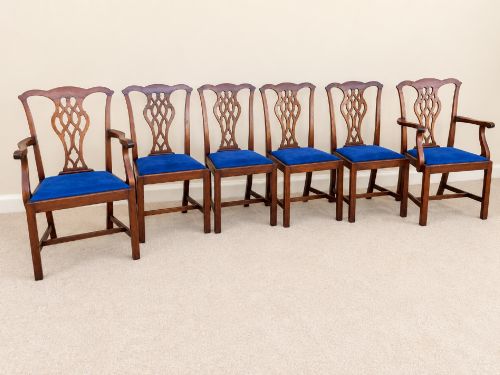
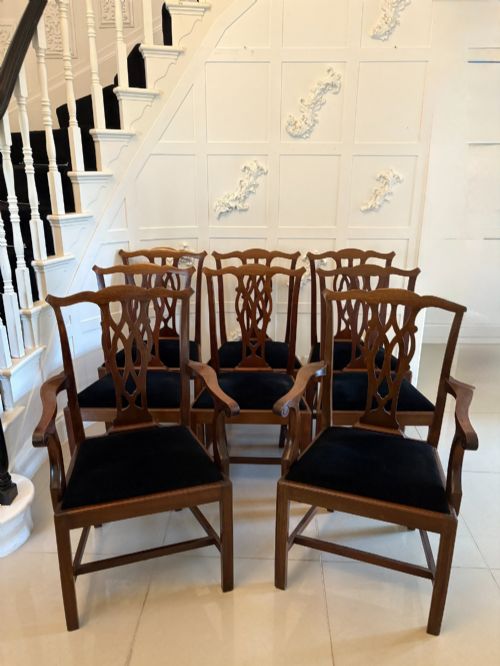
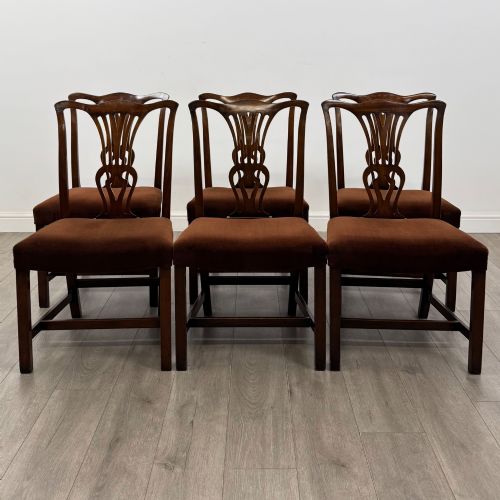
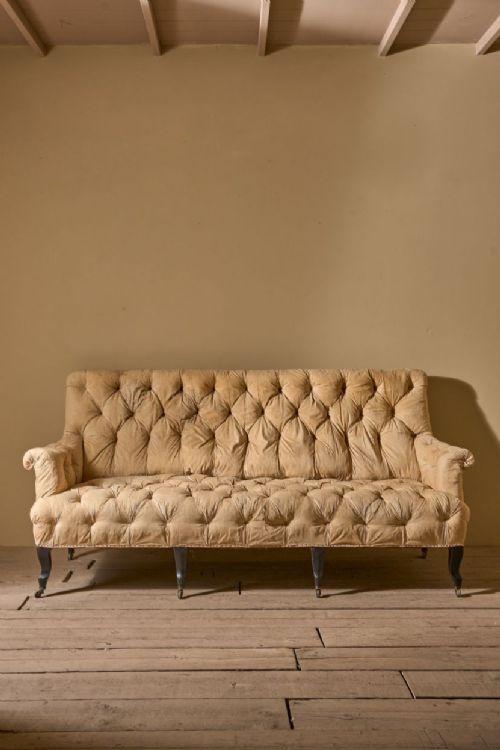
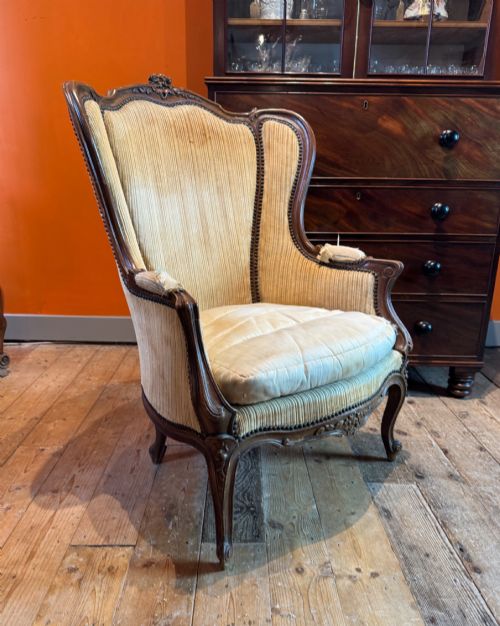
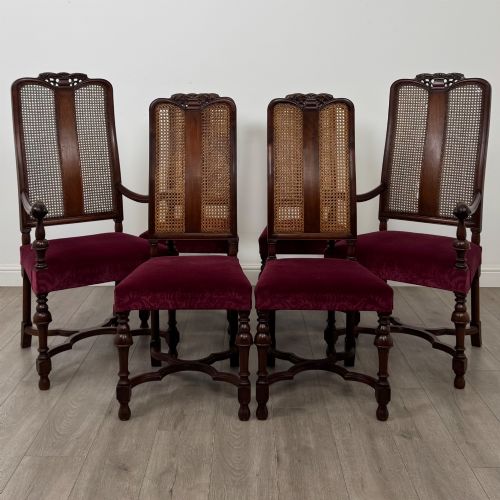
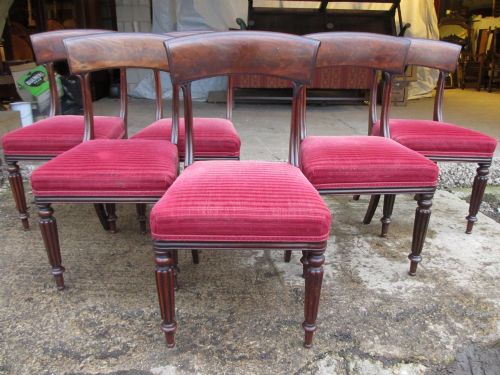
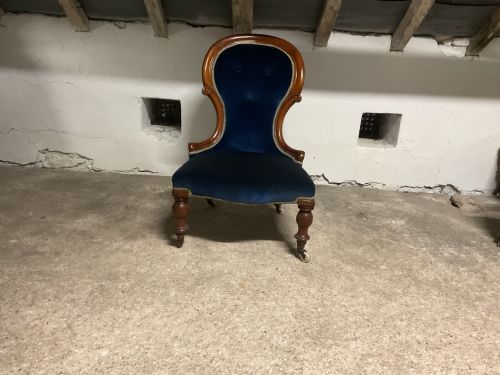
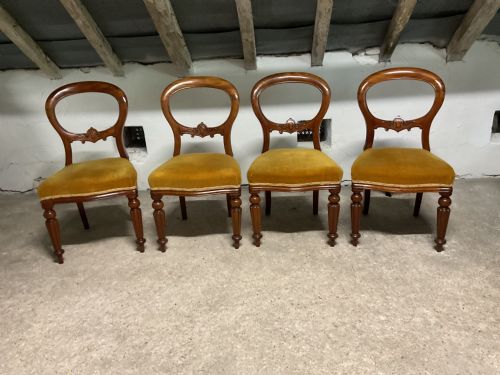
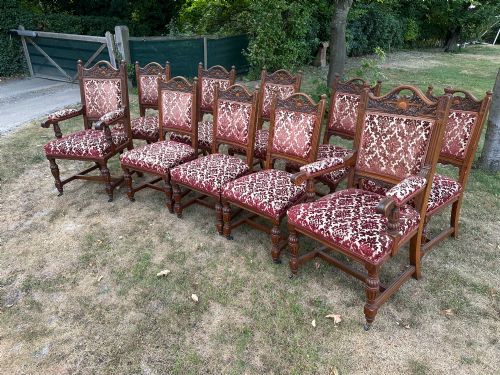
Vintage velvet seating encompasses a wide array of upholstered chairs, stools, and sofas drawn from the nineteenth and early twentieth centuries. When searching for vintage velvet seating, a buyer encounters everything from grand Napoleon III buttoned sofas and French bergère armchairs to intimate nursing chairs and dining sets. The forms span stylistic revivals including Chippendale, Queen Anne, and Sheraton, alongside robust Victorian and Edwardian iterations.
The pieces on this page lean heavily toward nineteenth-century origins and Edwardian craftsmanship, anchored by solid timber frames. Armchairs, dining chairs, and settees predominate, offering varied scales from petite bedroom seating to substantial library armchairs. These items bridge formal historical aesthetics with practical, tactile home furnishings.
How they were made
Makers constructed these frames from dense hardwoods such as mahogany, walnut, rosewood, and oak, often carving intricate details or applying polished finishes by hand. Upholstery techniques relied on traditional stuffing and springing methods beneath the fabric layer, ensuring supportive resilience.
Details like brass framing, inlaid woodwork, and exposed polished timber define the visible structure of these items. Textile choices such as velvet, chenille, and fabric are paired with structural timber to create enduring contrast between soft surfaces and rigid frames.
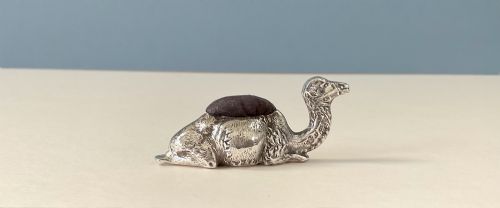
Among the grand mahogany chairs and velvet settees hides a tiny novelty pin cushion carved as a seated camel.
What varies in quality
The distinction between tiers rests in the precision of the timber carving and the architectural integrity of the frame. Superior pieces demonstrate crisp joinery, balanced proportions, and refined details such as hand-carved cabriole legs or delicate marquetry inlay.
Quality also hinges on the material selection and the fidelity of the period style, whether executed in a grand French Louis XV manner or a restrained Edwardian aesthetic. Higher-grade examples maintain original structural balance and substantial timber weight without excessive modern alterations.
The Vintage Velvet Seating Glossary
- Bergère
- An enclosed upholstered armchair with wooden framing, originating in France. These seats feature upholstered backs and armrests integrated into the wooden structure.
- Buttoned back
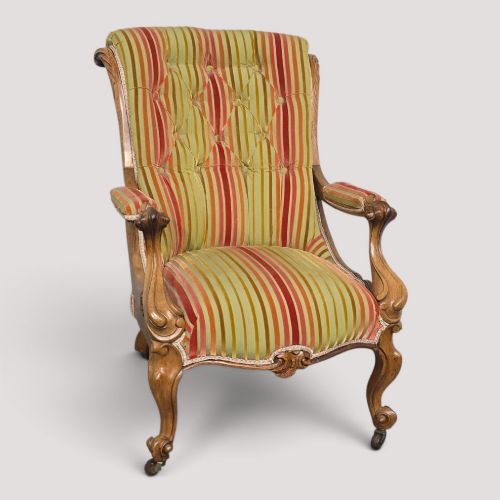
- An upholstery technique where buttons are pulled deep into the padding to create a diamond pattern. This method secures the internal filling while adding formal texture.
- Fauteuil
- An open-armed upholstered armchair with an exposed wooden frame. The arms typically feature padded elbow rests atop carved supports.
- Nursing chair
- A low-seated chair designed in the Victorian era for comfortable sitting near a hearth or nursery. Their compact height distinguishes them from standard armchairs.
- Splats
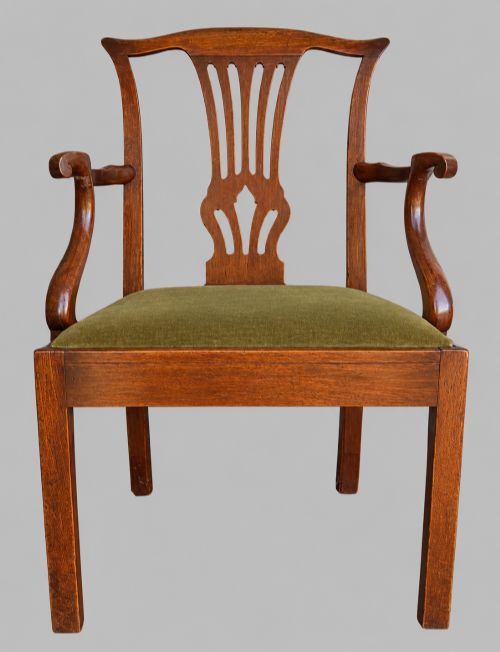
- The vertical central strip of wood down the back of a chair. Pierced splats feature decorative cutouts characteristic of Chippendale and Georgian styles.
Vintage Velvet Seating: Frequently Asked Questions
How do I clean vintage velvet upholstery?
Velvet requires gentle brushing with the grain to maintain the pile and lift surface dust. Avoid harsh chemical cleaners and heavy moisture to protect the delicate fabric fibres.
Professional specialist cleaning is recommended for deep marks or staining. Regular light maintenance keeps the pile plush and prevents flattening over time.
Are these chairs suitable for daily use?
Most of these pieces were built for functional domestic life using solid hardwoods and traditional joinery. They handle standard daily sitting when placed on level surfaces.
Heavier pieces like library armchairs and dining sets are particularly robust. Lighter decorative seating benefits from more mindful placement in low-traffic areas.
What is a Napoleon III sofa?
Napoleon III furniture dates from the French Second Empire period during the nineteenth century. These items frequently showcase exuberant buttoned upholstery and curved frames.
They are celebrated for lavish comfort and expressive silhouettes. The style prioritises deep cushioning and rich textile presentation.
How do I identify an Edwardian chair?
Edwardian seating typically dates from the early twentieth century and often reinterprets earlier Georgian or Sheraton designs. The frames tend to be lighter and display subtle inlaid woodwork or polished mahogany.
Proportions are often more compact compared to heavy Victorian furniture. This era favoured brightness and refined simplicity in domestic interiors.