



Vintage Velvet Box
A vintage velvet box brings tactile richness to a dressing table, holding small treasures with the same quiet dignity it has kept through Victorian and Edwardian decades.
Vintage Velvet Box
A vintage velvet box encompasses protective caskets, jewellery chests, and trinket holders surfaced in plush pile and lined for delicate keepsakes. These pieces span periods from the nineteenth century into the twentieth, reflecting the domestic habits of earlier households.
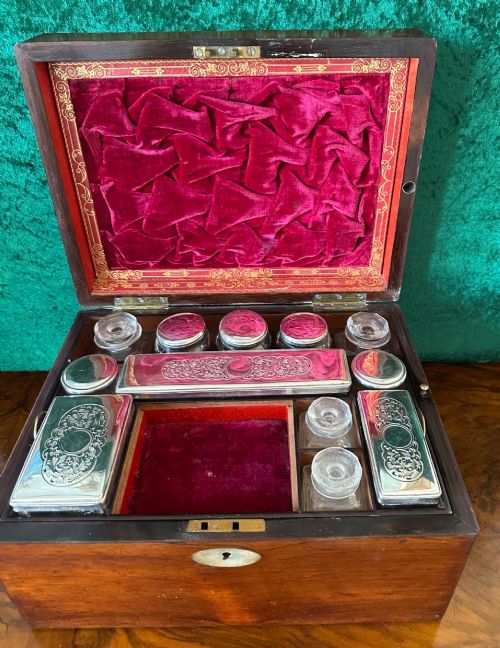
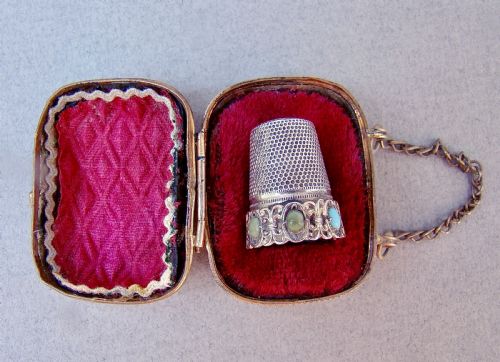
The most common examples on this page date from the Victorian and Edwardian eras, often taking the form of fitted dressing cases or small tabletop display pieces. Makers housed everything from silver thimbles to personal trinkets in these fabric-covered containers.
Originating largely from British and French workshops, these containers range from modest wooden frames wrapped in textile to elaborate brass-bound travel chests. Each object reveals how past owners prioritized the safe storage of portable valuables.
Materials and Construction
Wood carcasses of mahogany, walnut, or oak provide the rigid internal structure, frequently reinforced with brass corners and hinges for durability. Artisans stretched woven velvet tightly over padded surfaces to create a soft exterior texture.
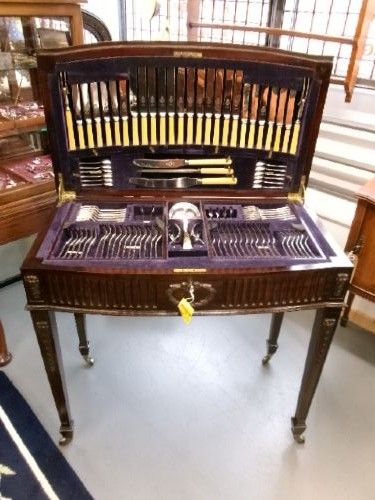
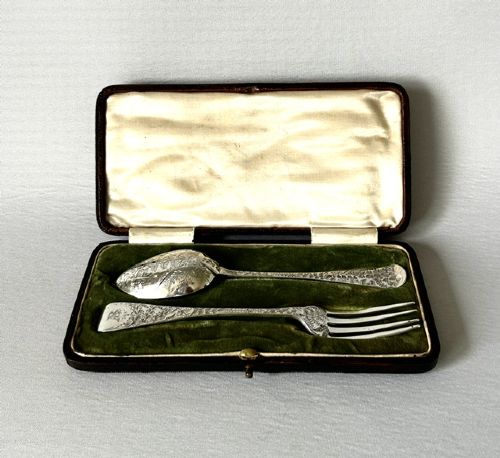
Interiors often feature fitted compartments lined in contrasting silk or satin, designed to cradle instruments, jewellery, or silver sets securely. Metalwork elements like ormolu mounts and glass panels appear on French trinket boxes and display tables.
Vintage Velvet Box Retail Price Guide 2026
Typical asking prices for vintage velvet box among the pieces listed under this phrase on Sellingantiques today, from the lower quarter to the upper quarter. They describe what is for sale here now, not the wider market.
Materials recorded across the inventory include brass, glass, mahogany, silver, and ormolu.
Judging Quality and Craft
Quality rests upon the integrity of the timber frame and the retention of the original textile pile. Boxes that retain their fitted internal trays and working brass locks demonstrate superior original craftsmanship.
The fineness of the exterior velvet and the precision of the joinery distinguish standard utilitarian containers from bespoke salon pieces. Wear on the fabric tells a history of use, but original, uncompromised linings elevate a piece.
J C Vickery·John Millikin·Hallett & Sons·W E Hill
The Vintage Velvet Box Glossary
- Ormolu
- Gilded bronze mountings applied to furniture and decorative boxes. This technique was widely used in French nineteenth-century decorative arts.
- Bijouterie table
- A glass-topped display table designed for showing small ornaments and jewellery. These pieces elevate the function of a standard presentation box into furniture.
- Dressing case
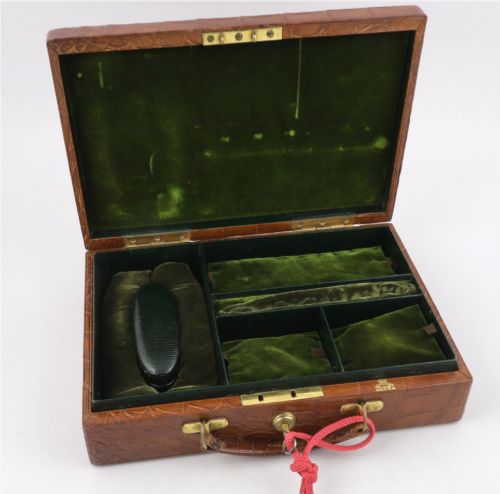
- A fitted box containing compartments for cosmetics, brushes, and personal accessories. They were essential travel gear for well-to-do Victorians.
- Trinket box
- A small receptacle intended for holding rings, pins, or minor valuables. French and English makers produced these in glass, metal, and wood.
- Campaign trunk
- A robust storage chest built for travel, often reinforced with brass straps and durable timber. These items were designed to withstand long journeys.
Vintage Velvet Box: Frequently Asked Questions
Were these boxes meant for travel?
Many examples feature sturdy wooden carcasses and secure locks designed to protect contents during carriage on trains or coaches.
Smaller trinket holders remained stationary on dressing tables, while fitted dressing cases accompanied owners on extended journeys.
How do I date a velvet box?
Examine the construction methods, the style of the brass hardware, and the type of wood used for the internal framing.
Victorian and Edwardian pieces often show distinct lining fabrics and hinge styles that correspond to manufacturing patents of those decades.
Can I store modern jewellery inside?
The soft pile and clean internal linings make these containers ideal for holding rings, brooches, and contemporary necklaces safely.
Ensure the historic fabric is free from abrasive dust before placing delicate metals or soft gemstones against the lining.