

Vintage Vases
These vintage vases span periods from Victorian glass to Art Deco crystal, offering character for any room.
Vintage Vases
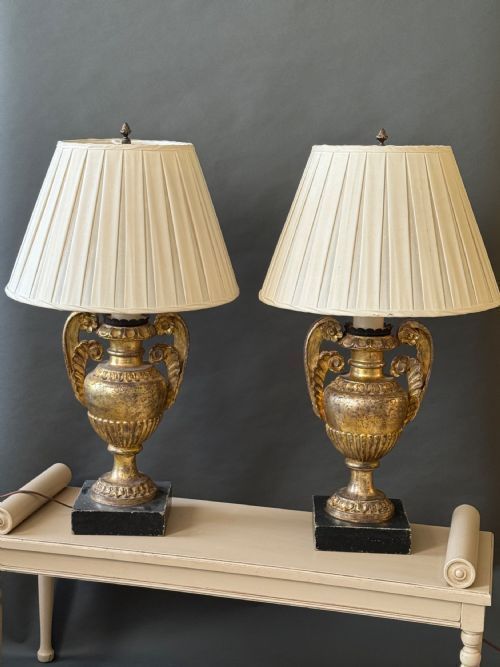
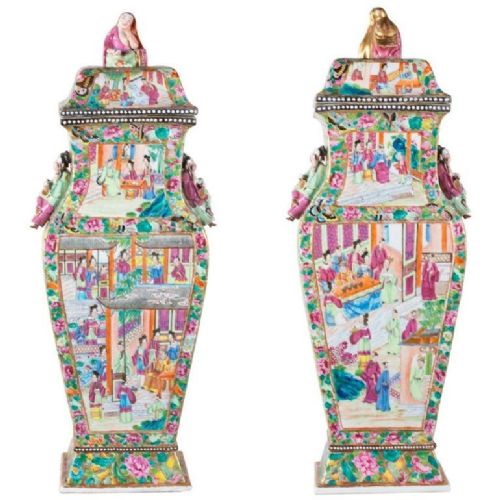
Vintage vases encompass decorative vessels produced across the Victorian, Edwardian, and twentieth-century design movements. Buyers searching for vintage vases encounter diverse forms including porcelain ginger jars, stoneware, and moulded crystal.
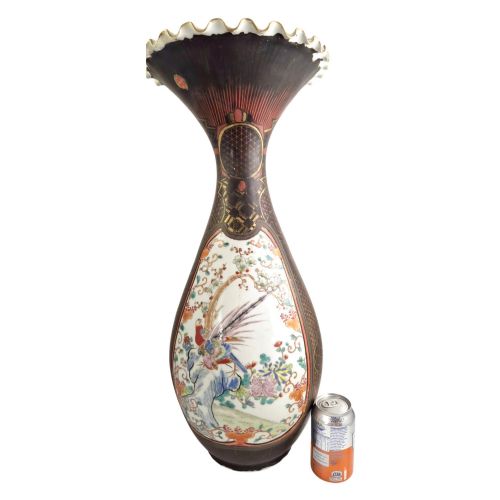
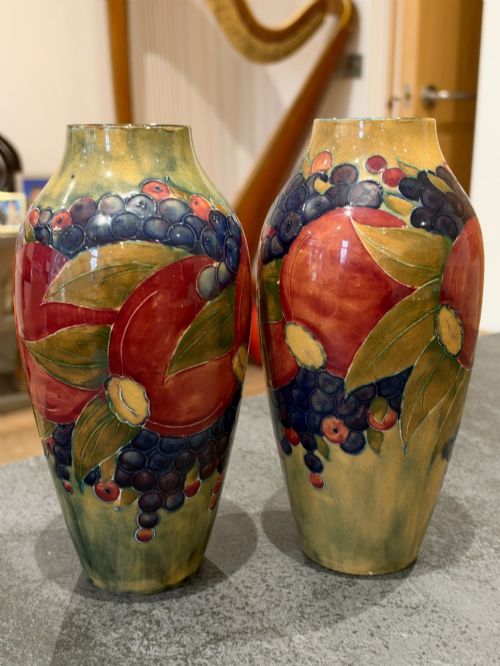
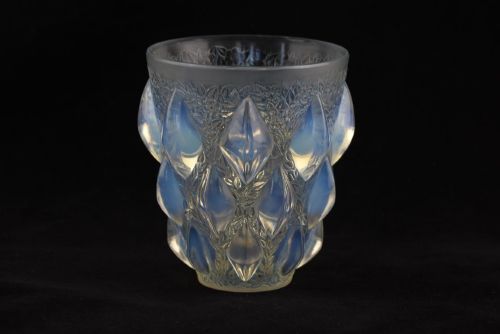
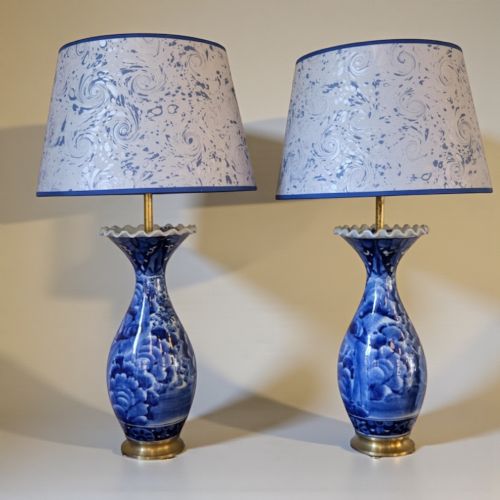
The selection ranges from early twentieth-century Moorcroft earthenware to mid-century art glass from makers like Lalique. Pieces reflect distinct periods such as Art Nouveau, Art Deco, and the Meiji period.
Vessels vary from small cabinet pieces to large floor-standing decorative items. Forms utilise materials like bronze, porcelain, stoneware, and uranium glass.
How they were made
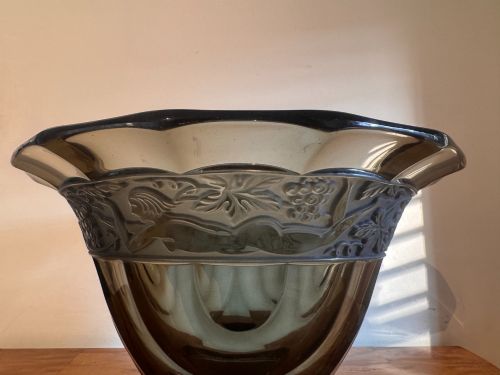
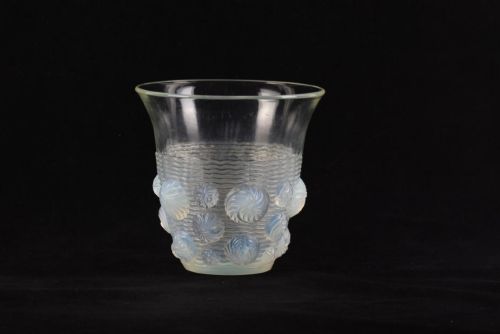
Glass vessels employ techniques such as moulding, hand-blowing, acid-etching, and cutting, seen in works by makers like Webb and Lalique. Crafters also utilised uranium glass and iridescent finishes.
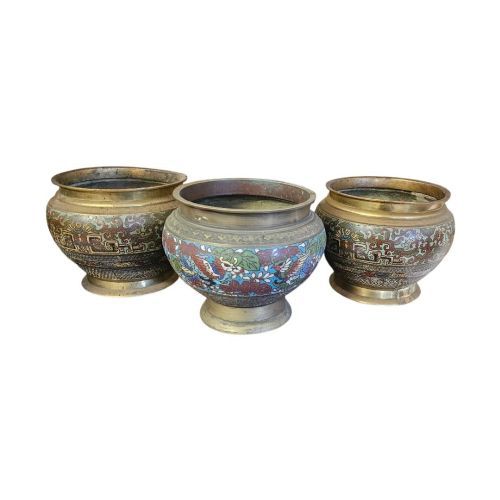
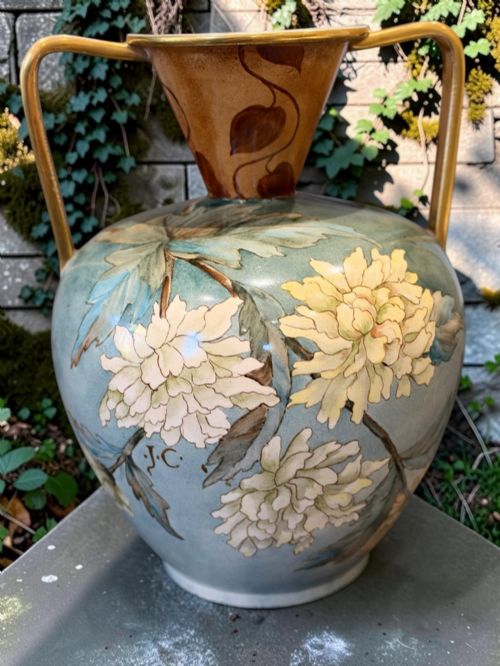
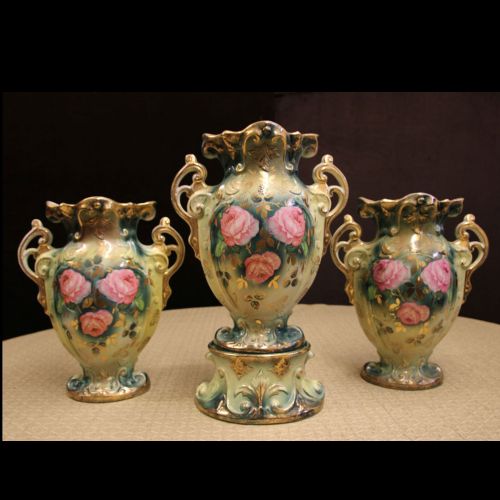
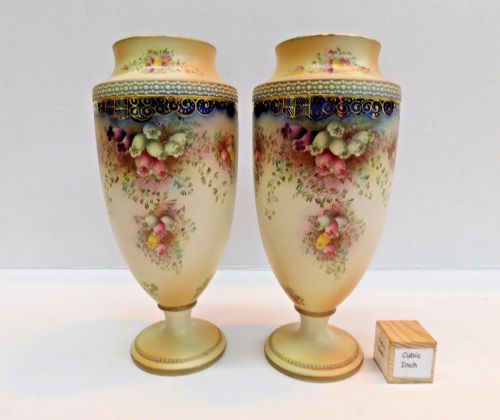
Ceramic pieces involve earthenware, stoneware, and porcelain bodies finished with coloured glazes, flambé effects, or hand-painted floral motifs. Bronze and metal items incorporate champlevé enamel work.
Manufacturing methods rely on the specific traditions of each period, from Japanese Meiji bronze casting to English crystal production and continental glass design.
Vintage Vases Retail Price Guide 2026
Typical asking prices for vintage vases among the pieces listed under this phrase on Sellingantiques today, from the lower quarter to the upper quarter. They describe what is for sale here now, not the wider market.
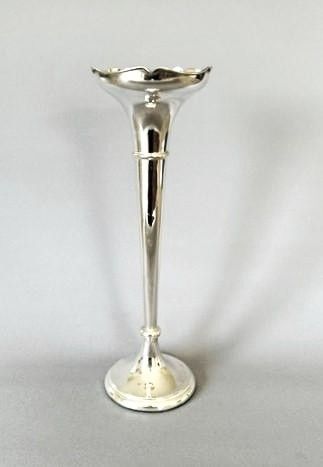
Some Victorian glass trumpets once held single stems proudly at dinner parties.
What varies in quality
Quality depends upon the skill of the execution, from the depth of cut crystal engraving to the precision of hand-painted porcelain decoration. Distinguished design work marks the higher tiers of production.
The reputation of the maker, pottery, or studio heavily influences distinction, with signed pieces by recognised artists commanding greater attention. Material purity and weight also differentiate standard items from exceptional examples.
René Lalique·Royal Doulton·Karl Palda·Herend·Whitefriars Glass
The Vintage Vases Glossary
- Uranium glass
- Glass containing uranium oxide that glows bright green under ultraviolet light. It was popular in nineteenth and twentieth-century glassware.
- Champlevé
- An enamelling technique where troughs are carved into metal and filled with vitreous enamel before firing. It appears frequently on Japanese bronze items.
- Flambé
- A rich, mottled ceramic glaze achieved through a reduction firing process. This technique creates unpredictable colour variations on earthenware.
- Baluster
- A vase form with a rounded body that tapers toward the neck. The shape resembles an architectural column support.
- Epergne
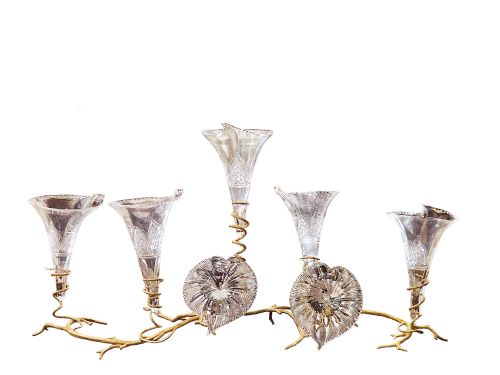
- A tabletop centrepiece featuring a central bowl with multiple detachable trumpets or arms. Victorian examples often utilise coloured glass.
Vintage Vases: Frequently Asked Questions
How do I date a vintage vase?
Dating relies on maker marks, signatures, material composition, and stylistic cues unique to periods like Art Deco or the Victorian era.
Examining the base for manufacturer stamps or registry numbers often provides precise chronological placement.
What is uranium glass?
Uranium glass contains trace amounts of uranium added as a colorant, producing a distinct yellow or green hue.
Under ultraviolet light, these pieces emit a characteristic bright radioactive glow.
How were ceramic vases decorated?
Potters utilised hand-painted motifs, slip trailing, and reactive glazes such as flambé to create surface patterns.
Techniques varied from traditional Japanese glazing to English earthenware studio methods.
Where were these vases made?
Production spans international workshops including English potteries, French glass studios, Czech factories, and Japanese metalwork foundries.
Each region contributed distinct technical traditions to the market.