




Vintage Uzbekistan Textile
A vintage uzbekistan textile brings vibrant Central Asian artistry into a room through rich embroidery and patterned panels.
Vintage Uzbekistan Textile
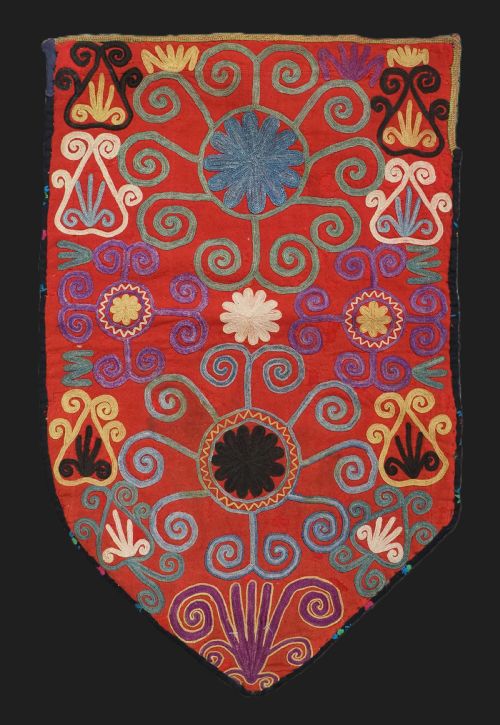
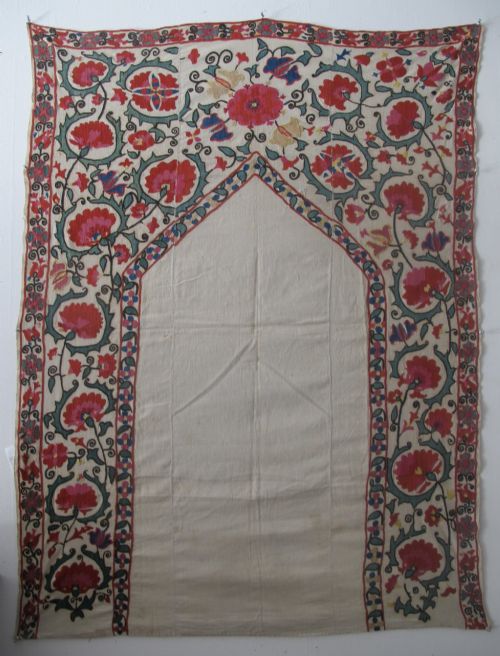
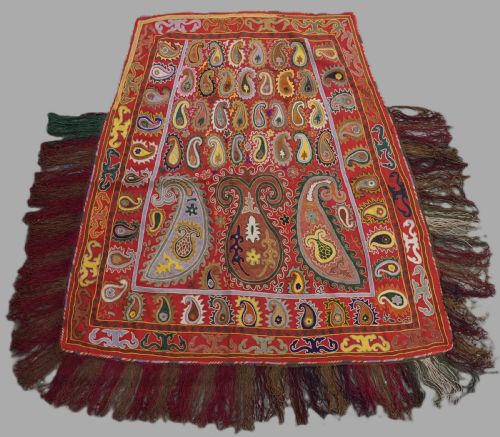
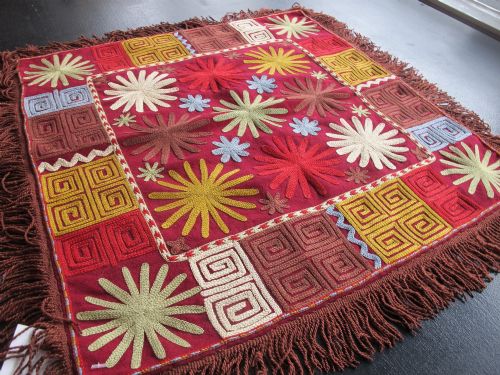
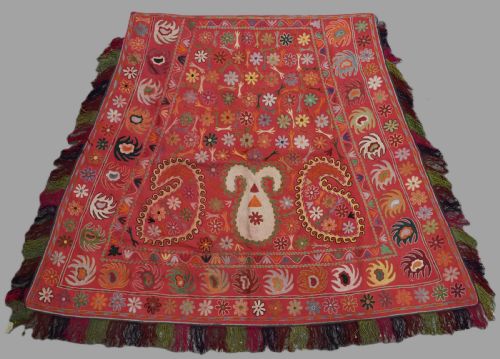
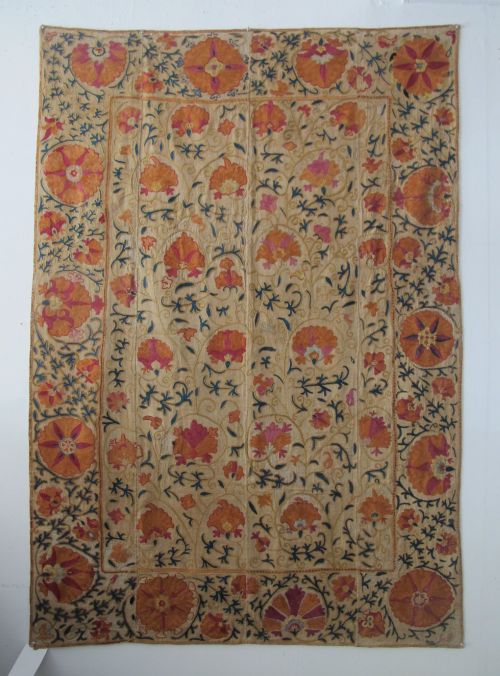
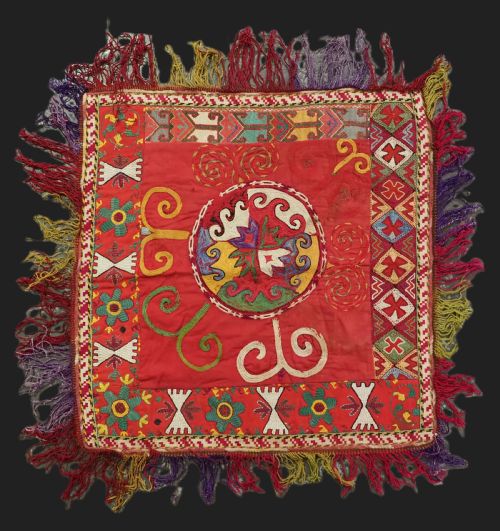
A vintage uzbekistan textile encompasses traditional Central Asian wall hangings, ceremonial horse covers, dresses, and panels created by tribal groups. Buyers encounter Suzani embroideries, Ikat panels, and woven kilims originating from regions such as Shakrisabz and Tashkent.
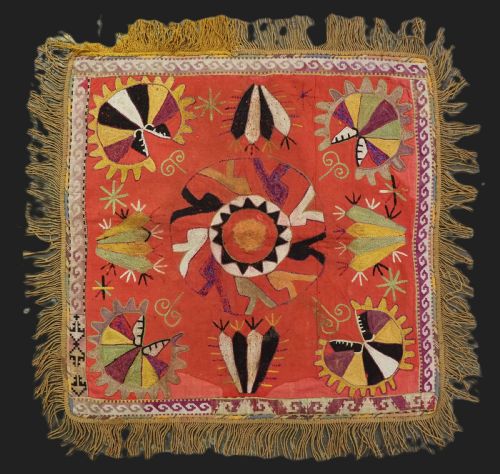
Lakai tribe pieces and Bokhara Suzanis dominate the offerings, displaying architectural motifs, bold geometric repeats, and figurative elements. Each item serves as an example of nomadic and town craftsmanship from Uzbekistan.
How they were made
Artisans applied silk and wool embroidery threads onto cotton, yellow cotton grounds, or camel hair foundations, frequently utilising tambour or surface stitch methods. Metal threads and silver brocade work added metallic highlights to garments and panels.
Weavers produced kilim panels in multiple narrow strips stitched together, employing flatweave techniques for tent bands and floor coverings. Ikat panels relied on resist-dyeing warp threads before weaving to create characteristic blurred pattern edges.
Vintage Uzbekistan Textile Retail Price Guide 2026
Typical asking prices for vintage uzbekistan textile among the pieces listed under this phrase on Sellingantiques today, from the lower quarter to the upper quarter. They describe what is for sale here now, not the wider market.
Object types span prayer formats, ceremonial horse covers, double-sided purses, amulet pouches, and multi-strip kilim panels.
What varies in quality
Density of needlework and complexity of composition dictate the distinction between standard examples and superior works. Full work embroideries cover the ground material extensively, whereas simpler panels leave large areas exposed.
The vibrancy of natural dye palettes and the precision of geometric or architectural layouts separate regional workshop pieces from everyday tribal items.
The Vintage Uzbekistan Textile Glossary
- Suzani
- A large embroidered tribal hanging from Central Asia, traditionally stitched by brides as part of their dowry. These pieces often feature floral or architectural motifs on cotton or silk grounds.
- Ikat
- A dyeing technique where yarn bundles are resist-dyed prior to weaving, producing characteristic feather-like pattern edges. Panels display bold geometric or curvilinear designs.
- Ilgich
- A specific type of Central Asian embroidered hanging or dowry piece associated with Lakai tribes. They are frequently square or rectangular in format.
- Kilim
- A flatweave textile produced without pile, utilising slit-weave techniques to form geometric patterns. Uzbek examples include tent bands and multi-strip panels.
- Torba
- A small storage bag or hanging panel produced by nomadic tribes. These items incorporate detailed embroidery and traditional tribal motifs.
Vintage Uzbekistan Textile: Frequently Asked Questions
How were Suzanis used originally?
Nomadic and town families utilised Suzanis primarily as wall hangings, decorative covers, and dowry items within the home. They also served ceremonial functions during weddings and important family events.
Over time, these textiles functioned to display wealth, status, and the needlework skill of the maker. Wealthier households commissioned large full work panels to adorn living spaces.
What is a Lakai embroidery?
Lakai embroideries originate from the Lakai Uzbek tribes and are recognised for dynamic, abstract geometric designs. They frequently decorate horse covers, saddle rugs, and small wall hangings.
Stitchers utilised heavy silk threads in bright tones to create raised surfaces and energetic patterns. These pieces stand apart from urban Suzanis due to their distinct tribal vocabulary.
How do I care for antique textiles?
Antique textiles require protection from direct sunlight to prevent silk and cotton dyes from fading. Displaying them away from moisture and heat sources preserves the integrity of natural fibres.
Mounting wall hangings properly distributes weight evenly across the fabric without causing tension. Professional conservation cleaning is recommended if dirt accumulation threatens the material.
How can I tell regions apart?
Regional styles appear through distinct colour palettes, motifs, and structural techniques. Shakrisabz and Bokhara pieces often display elaborate floral and architectural compositions.
Tashkent works frequently exhibit dense overall embroidery, while tribal groups like the Lakai favour smaller formats with bold, non-naturalistic geometric motifs and heavy silk work.