





Vintage Uzbekistan Suzani
These vintage uzbekistan suzani works are hand-embroidered Central Asian textiles offering vibrant botanical and geometric motifs for wall hanging or domestic display.
Vintage Uzbekistan Suzani
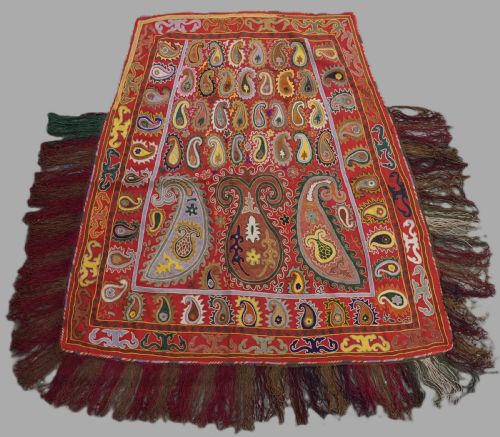
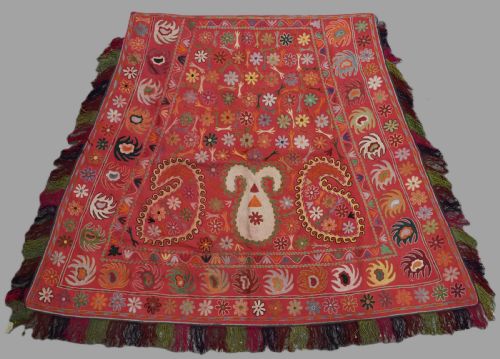
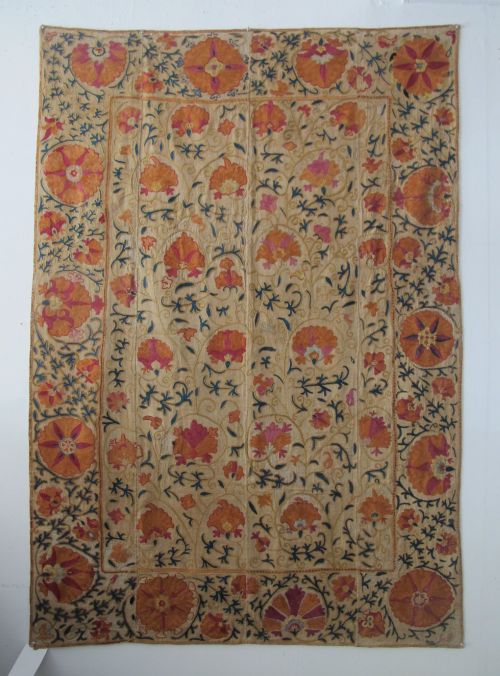
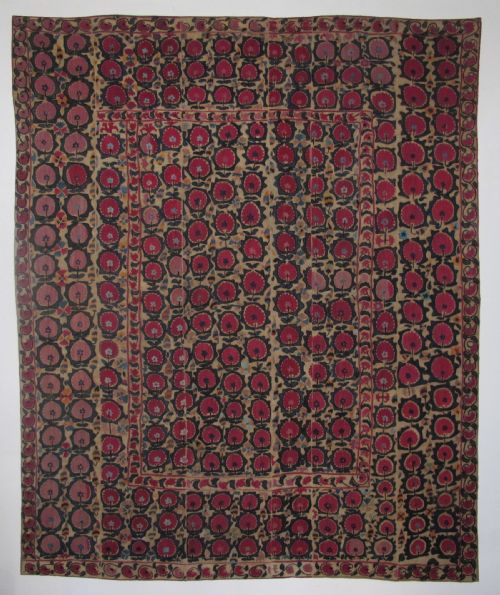
Buyers seeking a vintage uzbekistan suzani encounter richly worked textile panels, wall hangings, and ceremonial saddle covers originating from Central Asia. The pieces appearing on this page span from the mid-nineteenth century through the early twentieth century, reflecting traditional Uzbek craftsmanship.
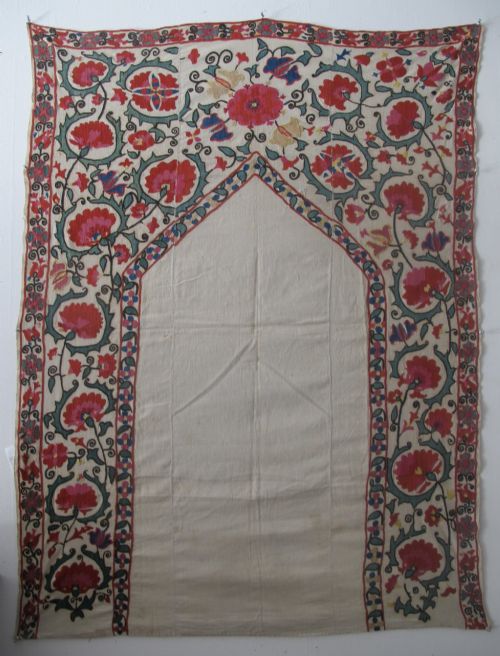
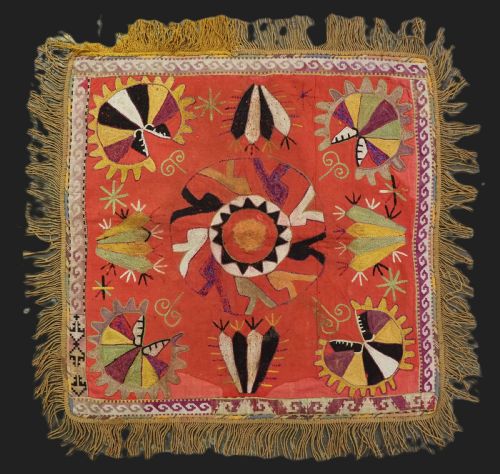
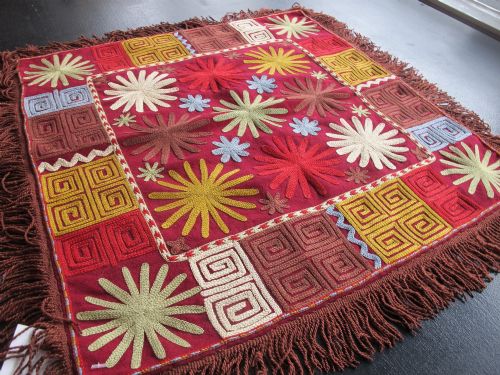
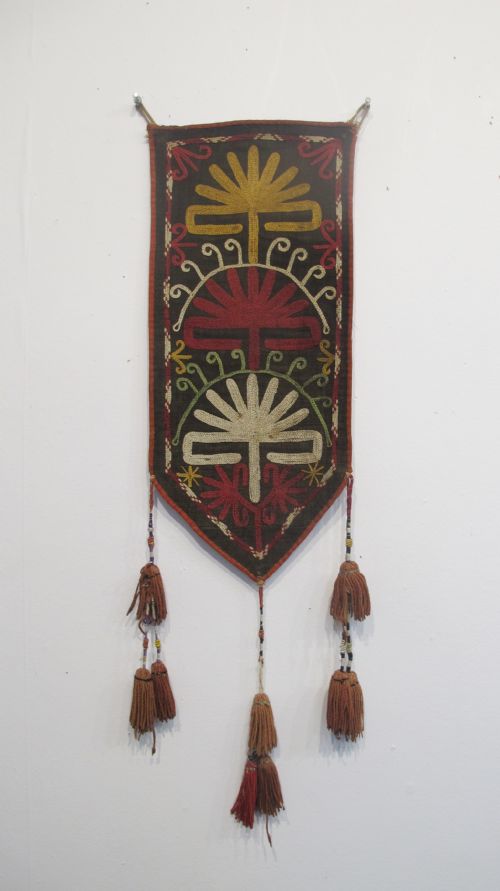
The inventory showcases specific regional forms including prayer formats, architectural designs, and diminutive pieces from the Lakai tribe. These works functioned historically as dowry items, domestic furnishings, and ceremonial trappings rather than simple decorative objects.
Materials and construction
Artisans built these textiles primarily on woven cotton or wool foundations, employing silk thread for the dense surface embroidery. Ground fabrics frequently appear in distinct tones such as yellow cotton.
Needlework techniques range from full-work coverage to specialised tribal patterns characteristic of Shakrisabz, Ura Tube, Tashkent, and Bokhara regional traditions.
Vintage Uzbekistan Suzani Retail Price Guide 2026
Typical asking prices for vintage uzbekistan suzani among the pieces listed under this phrase on Sellingantiques today, from the lower quarter to the upper quarter. They describe what is for sale here now, not the wider market.
Object forms recorded on this page include wall hangings, saddle covers, prayer formats, and regional nim suzani panels.
Assessing quality in the collection
Distinctions in quality emerge through the density of the embroidery, the complexity of the repeat design, and the survival of the original ground fabric. Full-work examples demonstrate a higher commitment of hand labour compared to sparser compositions.
The vitality of the silk thread colours and the precision of regional needlework styles, such as those executed by the Lakai tribe, set the finer textile panels apart from standard decorative covers.
The Vintage Uzbekistan Suzani Glossary
- Suzani
- An embroidered textile panel originating from Central Asia, traditionally created as part of a bride's dowry.
- Lakai
- A Central Asian tribe known for distinct, dynamic tribal embroidery applied to horse covers, saddle rugs, and small hanging items.
- Torba Ilgich
- A specific hanging bag or trapping associated with nomadic and tribal groups in the region.
- Nim Suzani
- A smaller or half-size embroidered panel format used in domestic interiors.
- Prayer Format
- A textile layout featuring a distinct architectural or mihrab niche design intended for spiritual or ceremonial resonance.
Vintage Uzbekistan Suzani: Frequently Asked Questions
How were suzani textiles used historically?
These embroidered panels served multiple functions within Central Asian households, acting as wall hangings, decorative covers, and significant components of a bride's dowry. Specific tribal pieces were also created as ceremonial horse covers and saddle rugs.
Over time, these textiles transitioned from functional domestic items and tribal trappings into highly regarded decorative works collected for their intricate needlework and cultural history.
How do I hang a textile panel safely?
Hanging a vintage textile requires careful weight distribution to prevent pulling on the historic cotton or wool ground fabric. Conservation-grade mounting methods typically involve stitched sleeves or Velcro attachment systems.
Direct exposure to strong sunlight should be avoided to protect the natural silk threads from fading over time while displayed on domestic walls.
What is the difference between regional suzani styles?
Regional variations stem from specific cities and tribal groups across Uzbekistan, such as Tashkent, Bokhara, and Shakrisabz. Each centre developed distinct botanical motifs, colour palettes, and compositional structures.
Tribal groups like the Lakai utilised bolder, more geometric and graphic layouts compared to the elaborate floral scrolls found in urban workshop pieces.
How can I tell the age of a piece?
Dating relies on examining the materials, including the spin of the cotton ground, the quality and type of silk thread, and traditional regional design structures. Pieces from the mid-nineteenth century often display different palette saturation and layout scales compared to early twentieth-century examples.
Comparing stylistic traits with documented tribal and regional artefacts helps narrow the period of creation down to specific decades.