

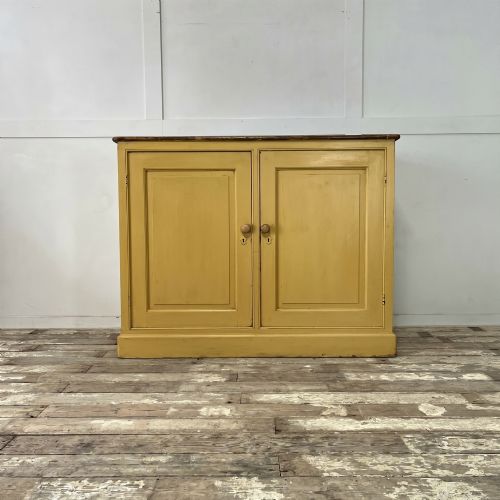


Vintage Utility Cabinet
These vintage utility cabinet pieces span diverse periods from the Victorian era through the 1930s, offering practical storage built from honest woods and metals.
Vintage Utility Cabinet
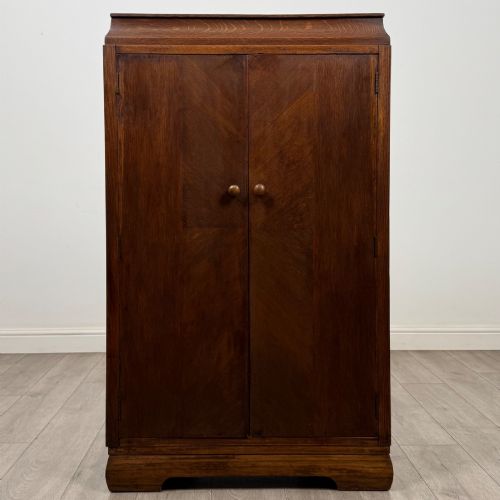
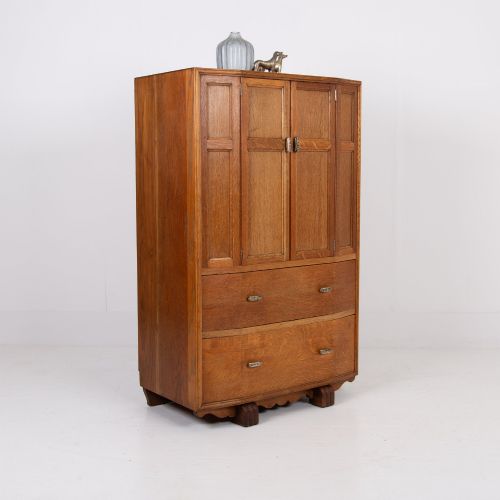
A vintage utility cabinet brings straightforward storage into a room, taking forms such as cupboards, tallboys, plan chests and display cases. You are most likely to meet oak and painted pieces from the Edwardian period and the 1930s.
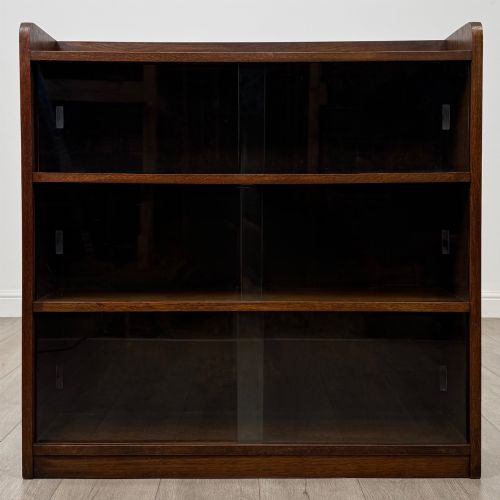
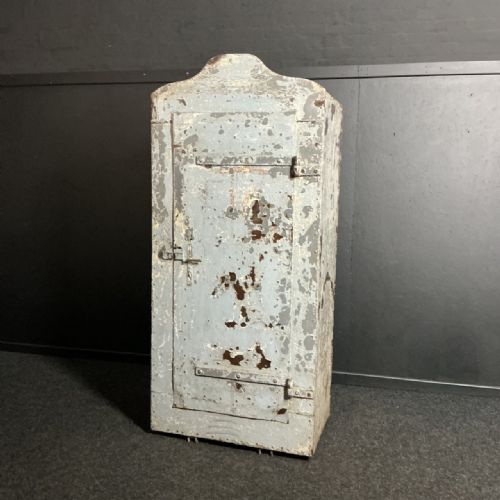
The selection ranges from small wardrobes and sliding glass door bookcases to large school cupboards and industrial storage units. These items serve everyday storage needs while displaying the practical designs of their respective eras.
How they were made
Workmanship spans Cotswold School traditions, industrial manufacturing and standard period joinery. Painted finishes on steel and pine sit alongside polished or pale oak surfaces.
Vintage Utility Cabinet Retail Price Guide 2026
Typical asking prices for vintage utility cabinet among the pieces listed under this phrase on Sellingantiques today, from the lower quarter to the upper quarter. They describe what is for sale here now, not the wider market.
Current listings span the 19th Century, Victorian, Edwardian, 1910 and 1930 periods, utilising oak, mahogany, pine, steel, iron and brass.
What varies in quality
Quality depends on the selection of timber and the precision of the joinery, distinguishing simpler utilitarian items from finer architectural pieces. Superior examples show careful attention to fitted interiors and balanced proportions.
The finish of the material, whether polished pale oak or decorative painted surfaces, dictates the visual depth of the piece. Hardware choices, such as brass fittings, further separate standard utilitarian builds from more considered constructions.
The Vintage Utility Cabinet Glossary
- Oak veneer
- A thin layer of oak applied to a base timber surface. This technique provides the appearance of solid wood while ensuring stability.
- Tallboy
- A tall storage cabinet combining wardrobe or cupboard space with drawers. It maximises vertical storage capacity in rooms with limited floor space.
- Plan chest
- A wide, shallow set of drawers designed originally for architectural drawings. These units now provide flat storage for large papers and textiles.
- Cotswold School
- An Arts and Crafts design movement focusing on traditional craftsmanship and simple forms. Pieces from this tradition emphasise honest construction.
Vintage Utility Cabinet: Frequently Asked Questions
Where do I put a utility cabinet?
These cabinets suit hallways, living rooms and studies where practical storage is required. Their compact or tall formats fit well against spare walls.
Position them away from direct heat sources to protect timber and painted finishes from warping or cracking over time.
How do I clean a vintage oak cabinet?
Dust the surfaces regularly with a soft, dry cloth to remove grit. Avoid modern silicone sprays that build up residue.
Feed dry timber occasionally with a traditional beeswax polish applied sparingly and buffed to a soft sheen.
Are glass doors original to Edwardian cabinets?
Many Edwardian display cabinets feature sliding or hinged glass doors designed to keep dust away from books and collections. Check the frame construction to understand how the glazing is secured.
Original glass often shows minor bubbles or slight waviness characteristic of older manufacturing methods.
How do I identify a 1930s utility piece?
Look for cleaner lines, paler oak finishes, and restrained decoration that reflect Art Deco and early mid-century tastes. These designs prioritize function over elaborate ornamentation.
Construction details often combine machine-cut components with traditional hand-finishing standard for the period.