



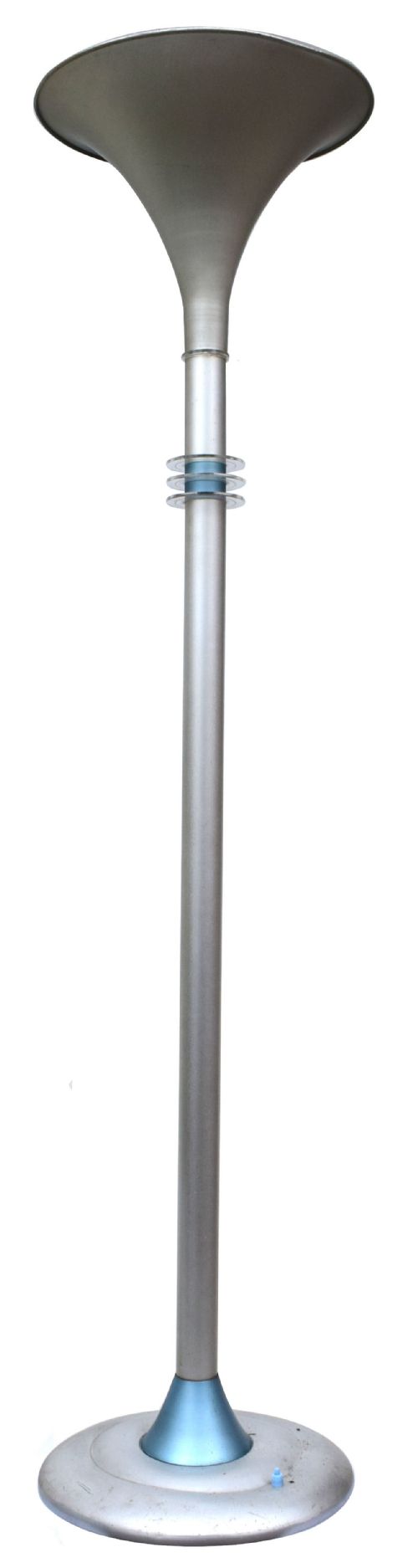


Vintage Uplighter
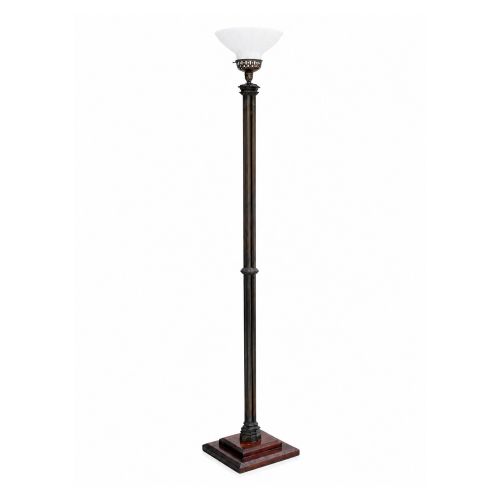
These vintage uplighter designs direct light upward to wash a room in a soft, indirect glow, spanning the Edwardian period to the Art Deco era.
Vintage Uplighter
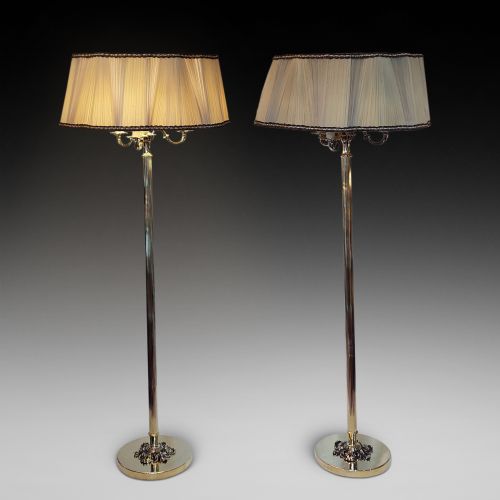
Floor lamps, often called standard lamps or torchieres, share the inventory with wall sconces and table lamps. Brass and chrome provide the structural framework for these lighting pieces, frequently paired with glass, frosted glass, opaline glass, or fabric shades. Buyers find both single fixtures and matched pairs suitable for domestic interior schemes.
How vintage uplighter pieces were made
The construction of these lamps relies heavily on metals such as brass, chrome, and wrought iron to form the vertical standards, wall mounts, and bases. Wood elements, specifically oak, appear in certain foundational structures. Metalworking techniques shape the adjustable frames and telescopic mechanisms found in standard lamps.
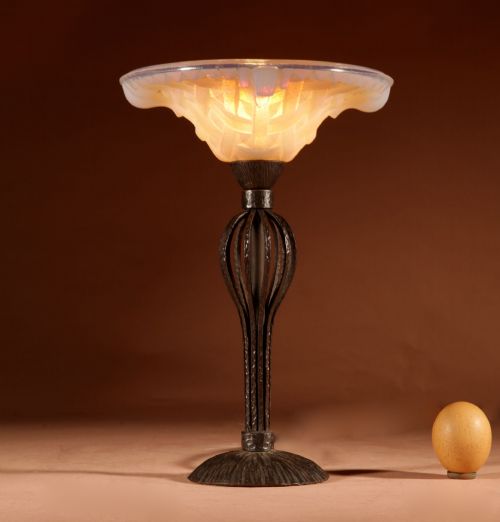
Diffusing the light upward requires specialist glasswork, demonstrated through opalescent glass, frosted glass, and tulip lamp shades. These glass components soften the direct bulb output while complementing the metallic frames of the Art Deco, Hollywood Regency, and Arts & Crafts styles.
Vintage Uplighter Retail Price Guide 2026
Typical asking prices for vintage uplighter among the pieces listed under this phrase on Sellingantiques today, from the lower quarter to the upper quarter. They describe what is for sale here now, not the wider market.
The listings demonstrate a strong preference for 1930s Art Deco chrome and glass wall lights alongside brass standard uplighters from the Edwardian period.
What varies in quality
The sophistication of the metal casting and the weight of the base separate standard examples from finer pieces. Substantial brass or chrome components provide stability to tall floor lamps and standard uplighters, whereas lighter assemblies rely on simpler bracing. Telescopic and adjustable mechanisms operate with varying degrees of precision.
The quality of the glass shades dictates the overall finish of the fixture. Moulded opalescent or frosted glass panels display distinct clarity and depth, contributing significantly to the visual impact of Art Deco wall sconces and table lamps when illuminated.
Lacroix Lalique
The Vintage Uplighter Glossary
- Uplighter
- A light fixture designed to cast illumination upward toward the ceiling rather than downward into the room. These fittings create ambient background lighting.
- Torchiere
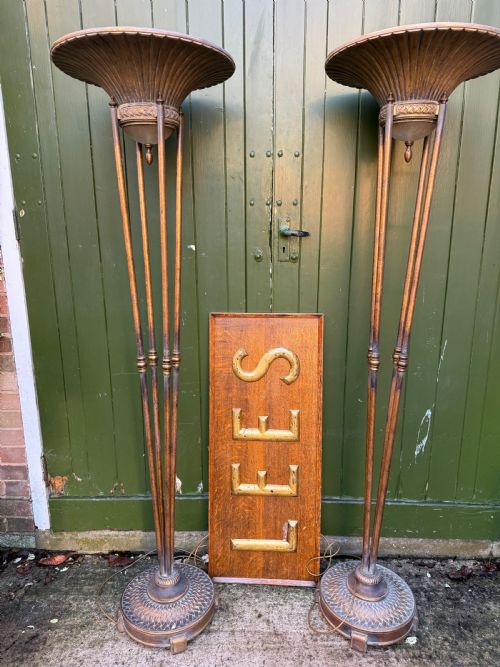
- A tall floor lamp that directs light upward, often featuring an ornamental standard. They gained popularity during the early twentieth century.
- Opaline Glass
- A milk-white translucent glass used for diffusing light gently without harsh glare. It appears frequently in Edwardian and Art Deco lighting.
- Standard Lamp
- A traditional British term for a floor lamp standing on a heavy base. Telescopic versions allow height adjustment.
- Sconce
- A wall-mounted lighting fixture secured by a bracket. They often direct illumination upward through trumpet or tulip shaped shades.
Vintage Uplighter: Frequently Asked Questions
How do I install vintage wall lights?
Vintage wall lights generally require professional wiring to connect safely to modern domestic mains electricity supplies. Installers secure the mounting brackets directly to wall studs or masonry backing.
Positioning depends on the desired ceiling wash, though domestic sconces typically sit at eye level in hallways or living spaces.
Can I adjust the height of standard uplighters?
Certain floor uplighters feature telescopic mechanisms that allow you to raise or lower the central brass or chrome column. This mechanical adjustment alters the spread of ambient light across the ceiling.
Care should be taken when adjusting older brass threads to prevent stripping the metal components.
What bulbs do these lamps take?
Older fittings often require modern adapter bulbs or specialised fittings compatible with vintage lamp holders. Consulting a qualified electrician ensures the wiring safely accommodates current bulb wattages.
LED alternatives provide low-heat illumination that preserves delicate glass and fabric shades over extended periods.
Where should I place a torchiere?
Torchieres function effectively in corners where upward-directed light bounces off white or neutral ceilings to brighten dark rooms. Their vertical profile occupies minimal floor space while delivering substantial ambient illumination.
They pair well with low seating areas that benefit from indirect, soft background glow rather than direct task lighting.