

Vintage Upholstered Bench Seat
A vintage upholstered bench seat brings seating with soft textile pads into hallways, dressing rooms and parlours across many periods.
Vintage Upholstered Bench Seat
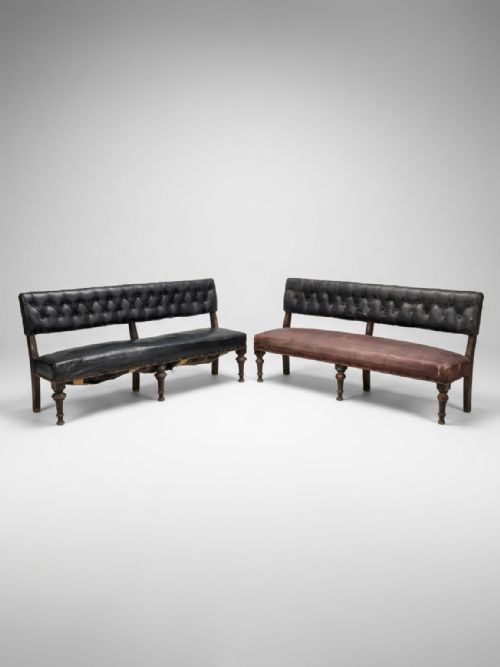
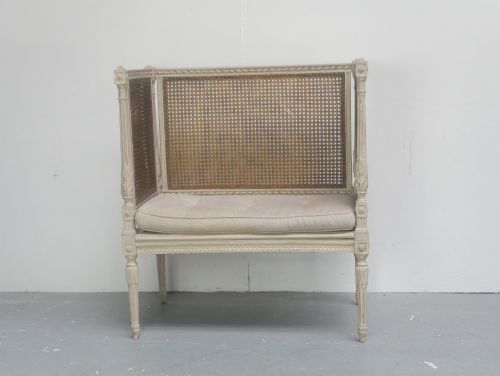
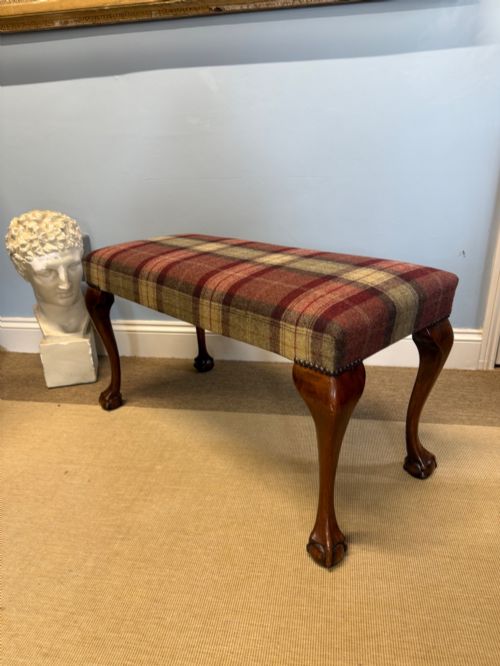
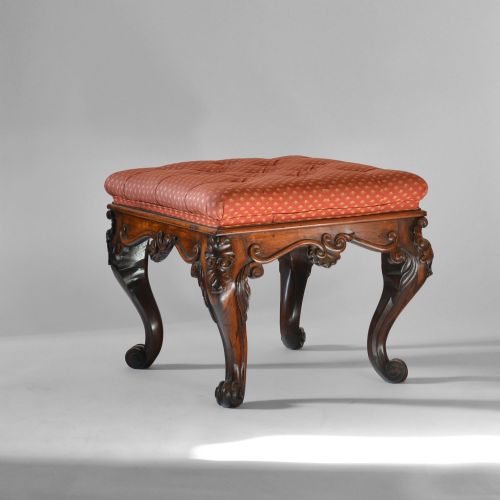
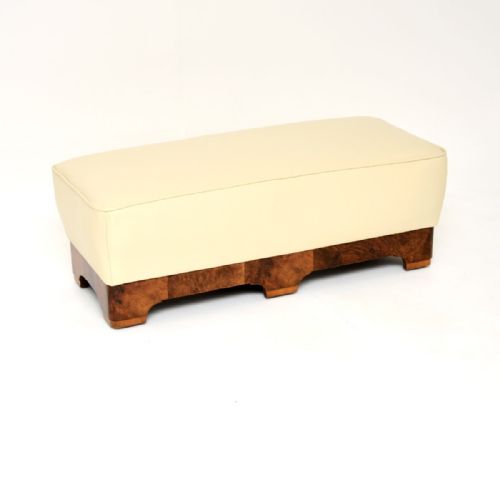
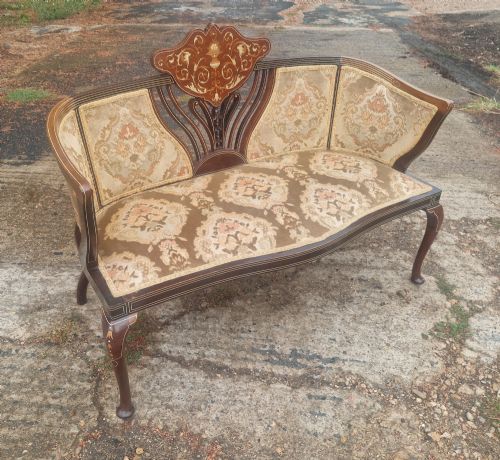
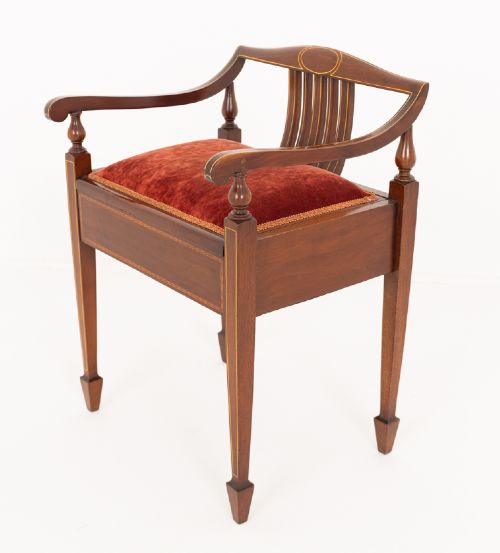
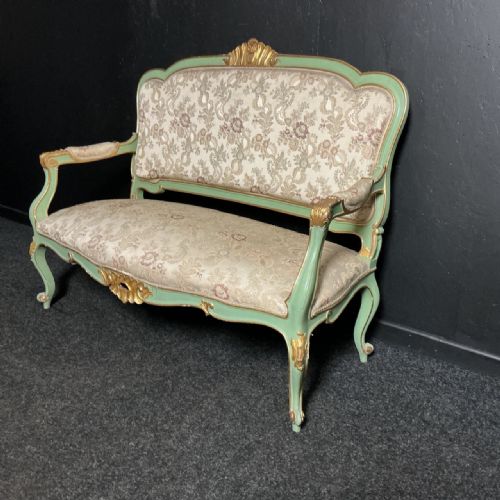
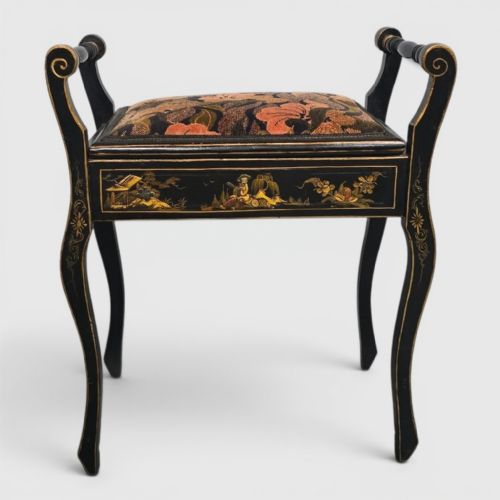
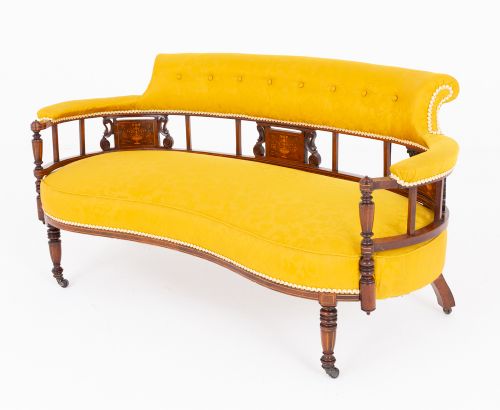
A vintage upholstered bench seat covers a wide span of domestic seating, from compact dressing table stools and piano seats to generous settee forms and club fenders. Buyers seeking this phrase encounter pieces ranging from Edwardian inlaid settees to Art Deco walnut stools and Victorian window seats.
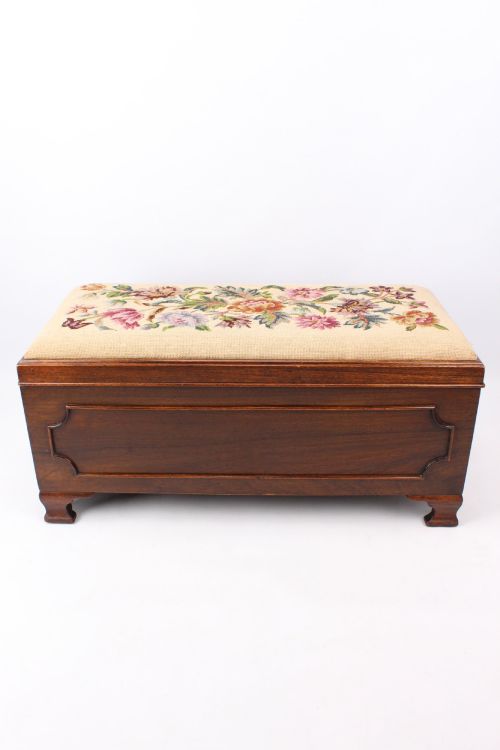
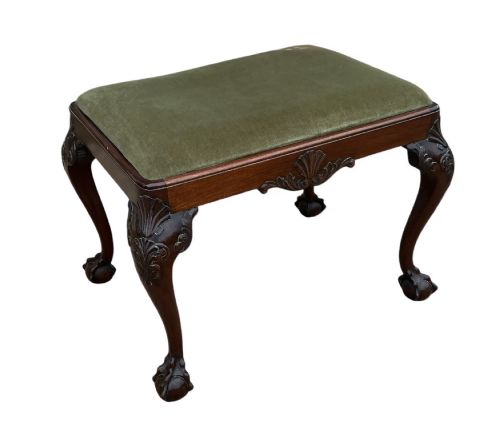
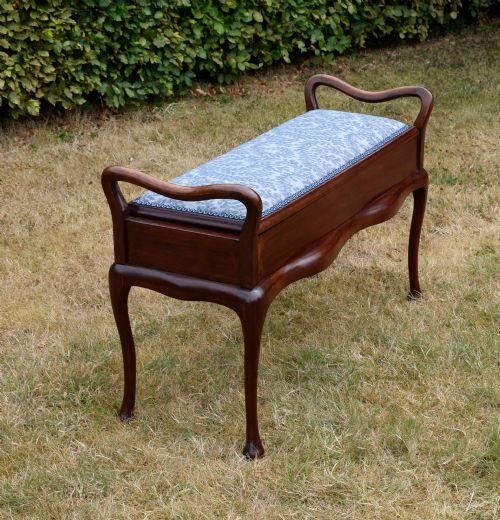
The selection includes low stools with needlework seats, robust mahogany benches with cross stretchers, and long piano seats designed for dual use. Many items reflect distinct stylistic revivals, such as Queen Anne walnut frames and Georgian mahogany proportions.
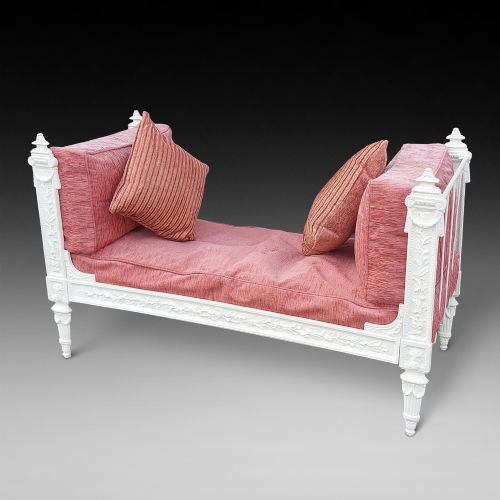
Smaller variants function primarily as dressing stools or footrests, while longer settee and daybed formats offer structured seating for bedrooms and reception rooms. Each iteration combines a wooden or metal structural frame with a padded surface designed for regular use.
Materials and Construction Methods
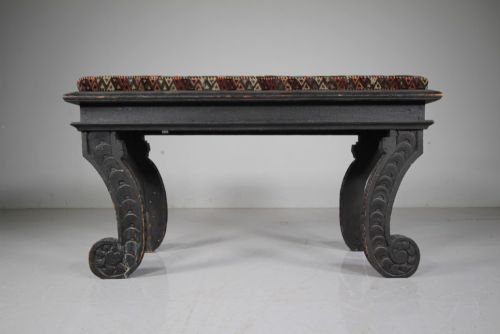
Makers built the structural frameworks of these seats using dense hardwoods including mahogany, walnut, rosewood and satinwood, occasionally accented with brass or cast iron details. Surfaces frequently feature decorative inlay, painted finishes or ebonised treatments.
Upholstery relies on traditional textiles, leather, velvet and wool secured over padded foundations. Frames often incorporate structural elements such as cross stretchers, fluted legs or twisted rope supports to ensure stability under weight.
Materials recorded on this page include brass, cast iron, leather, velvet and wool alongside various decorative textiles.
Distinguishing Quality Across the Range
Quality rests in the precision of the timber joinery and the selection of figured veneers such as burr walnut, birds-eye maple and sycamore. Superior frames exhibit careful proportion, crisp carving and restrained inlay that complement the structural lines rather than crowd them.
The standard of the upholstery work and the selection of covering material dictate the visual finish, whether utilising original textile remnants or appropriate replacement fabric. Frames that retain their original structural integrity without excessive rebuilding command greater attention from discerning buyers.
Harry Lou Epstein
The Vintage Upholstered Bench Seat Glossary
- Club fender
- A low, U-shaped seat featuring upholstered pads flanking a fireplace hearth, often built with brass or iron frameworks.
- Piano stool
- A seat designed for keyboard players, frequently incorporating an adjustable height mechanism or a lift-up lid for sheet music storage.
- Settee
- A small upholstered sofa designed to seat two or more people, featuring a backrest and arms.
- Inlay
- A decorative technique where contrasting pieces of wood or shell are inserted into depressions within the primary wood surface.
- Cross stretcher
- Horizontal wooden braces connecting the legs of a stool or bench near the floor to provide additional rigidity.
- Banquette
- A long upholstered bench or settee, often inspired by French seating designs of the nineteenth and twentieth centuries.
Vintage Upholstered Bench Seat: Frequently Asked Questions
What is the difference between a bench and a settee?
A bench typically provides a backless or low-backed surface designed for casual or temporary seating in hallways and bedrooms.
A settee offers a more formal seating arrangement complete with a structured backrest and arms, functioning essentially as a compact sofa.
How do I identify an Edwardian bench seat?
Edwardian seating often displays lighter proportions, frequently utilising mahogany or satinwood with subtle string inlay and tapered legs.
These pieces typically date from around nineteen hundred to nineteen hundred and ten, reflecting delicate revival styles influenced by earlier Georgian designs.
Were piano stools used for other purposes?
Piano stools were specifically manufactured to accommodate musicians, often including hinged compartments beneath the seat for storing sheet music.
Today, buyers frequently utilise these compact stools as dressing table seats or low occasional benches in tighter spaces.
What materials are common in Art Deco benches?
Art Deco examples frequently showcase striking wood veneers such as burr walnut, sycamore and birds-eye maple paired with leather upholstery.
These pieces emphasise geometric forms, smooth surfaces and clean lines characteristic of the nineteen-thirties.