


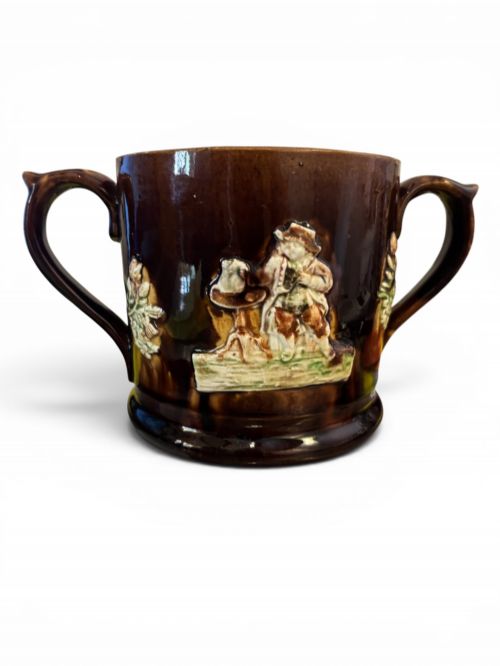


Vintage Two Handled Cup
A vintage two handled cup brings centuries of ceremonial toast, communal drinking and tactile craftsmanship directly to your modern interior.
Vintage Two Handled Cup
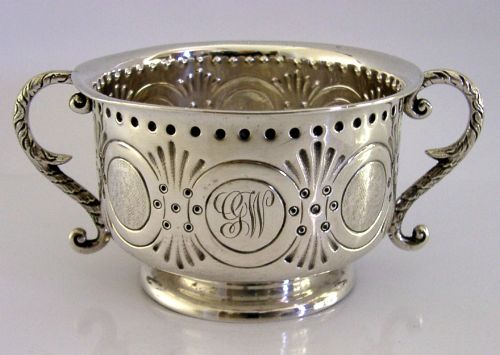
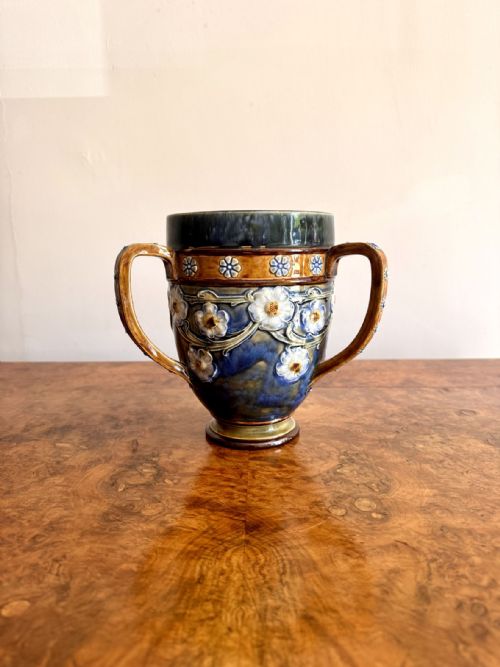
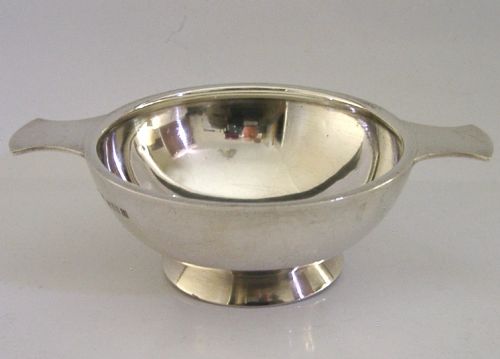
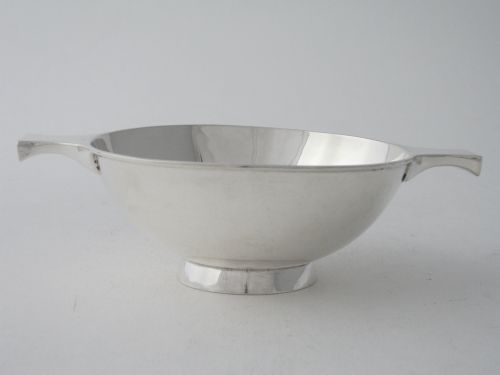
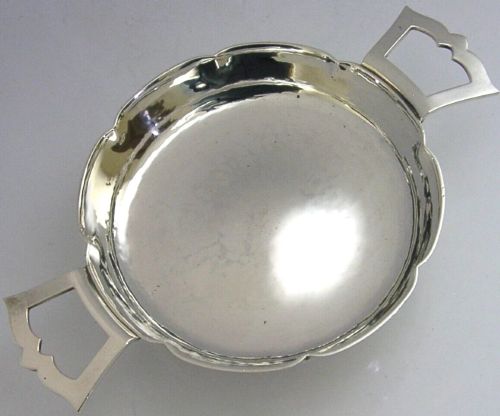
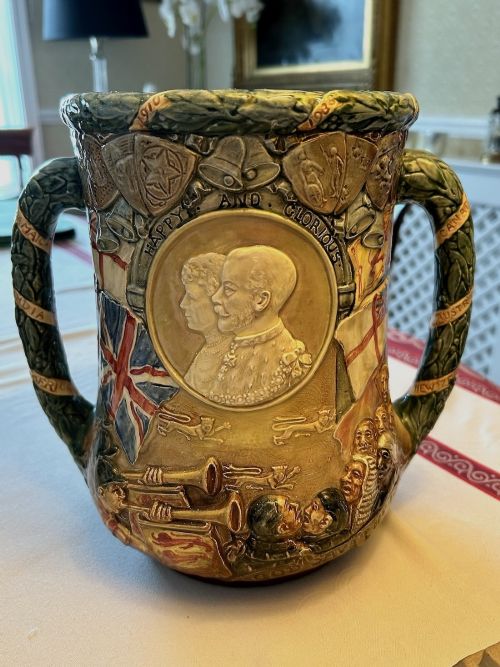
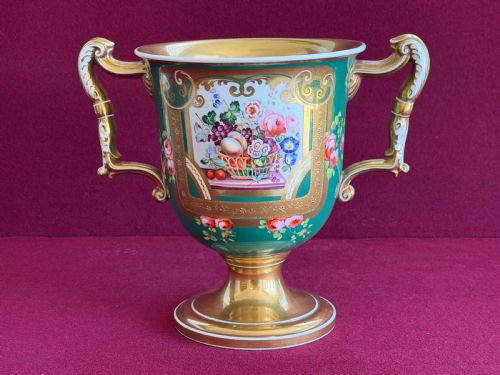
When you search for a vintage two handled cup, you encounter a diverse range of vessels spanning the eighteenth, nineteenth and twentieth centuries. These pieces cross multiple categories, appearing as sterling silver quaichs, porcelain loving cups, earthenware mugs and commemorative ceramics.
The most common examples on this page include ceramic loving cups from factories such as Royal Doulton and Royal Worcester, alongside solid sterling silver quaichs and porringers. These vessels reflect historical domestic uses, from communal ale drinking to christening bowls and hunting trophies.
Makers and potteries span distinct periods like the Victorian era, Art Deco, Arts and Crafts and Regency styles. Buyers find both miniature porcelain pieces and large earthenware harvest cups featuring transfer prints or hand-painted details.
Materials and construction
These items utilise traditional materials including sterling silver, porcelain, earthenware, stoneware, brass and mahogany. Metal pieces often exhibit hand-hammered planished surfaces or crisp hallmarks, while ceramic versions showcase transfer-printed poems, painted fruit or salt-glazed finishes.
Construction techniques vary by medium, with silversmiths soldering handles to spun or cast bowls, and potters throwing clay before applying distinct twin loops and decorative rims. Silver-rimmed harvest cups and Old Sheffield Plated items demonstrate specialised combinations of base metals and precious overlays.
Vintage Two Handled Cup Retail Price Guide 2026
Typical asking prices for vintage two handled cup among the pieces listed under this phrase on Sellingantiques today, from the lower quarter to the upper quarter. They describe what is for sale here now, not the wider market.
Object forms span barware, quaichs, loving cups and commemorative ceramics.
Factors that distinguish finer examples
Quality in these vessels rests upon the clarity of the maker's mark, the crispness of the porcelain painting and the structural integrity of both handles. Silver items display superior weight, balanced proportions and fine hand-planished textures, whereas ceramics show precision in transfer printing and glaze depth.
The distinction between standard domestic ware and superior pieces lies in provenance and maker attribution, such as signed Royal Worcester fruit studies or marked Arts and Crafts silver. Condition plays a role, with undamaged handles and clean interior surfaces separating decorative display pieces from heavily worn items.
Royal Doulton·R E Stone·H & R Daniel·Joseph Rodgers & Sons·Royal Worcester
The Vintage Two Handled Cup Glossary
- Porringer
- A small, shallow bowl with one or two horizontal flat handles, often used for broth or as a christening gift.
- Loving cup
- A large drinking vessel provided with two or more handles, designed to be passed around among guests.
- Planished
- A metalworking finish achieved by hammering the surface with a small round-headed hammer to create a textured pattern.
- Pearlware
- An earthenware developed in the late eighteenth century featuring a subtle bluish glaze over a white body.
Vintage Two Handled Cup: Frequently Asked Questions
What was a two handled cup used for?
These vessels served primarily as communal drinking cups for ale, wine or whisky during celebrations, weddings and banquets. The dual handles allowed guests to pass the cup securely around a table.
Over time, smaller versions evolved into christening bowls, decorative cabinet pieces or sporting trophies awarded for hunting and shooting events.
How do I care for silver and ceramic cups?
Silver vessels require occasional gentle cleaning with a specialised non-abrasive polish to maintain their shine without wearing down hallmarks or engraved details. Ceramic and porcelain pieces need careful hand washing in warm soapy water.
Avoid using dishwashers or harsh scrubbing brushes on antique glazed ceramics and plated items to protect the original surface finishes.
How can I date a sterling silver cup?
British sterling silver cups display official assay office hallmarks stamped directly into the metal. These marks typically include a standard mark, a lion passant, a city mark and a date letter.
Matching the specific letter font to published assay office tables reveals the exact year the piece was hallmarked.