

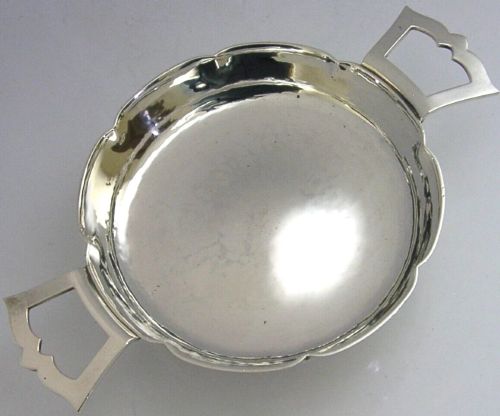


Vintage Two Handled Bowl
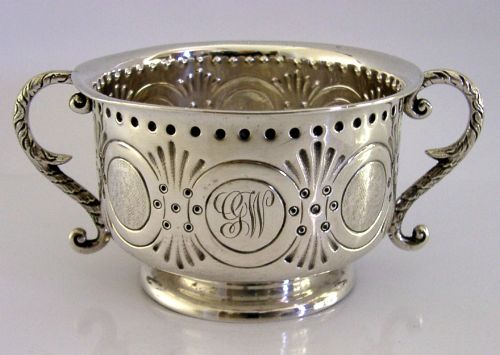
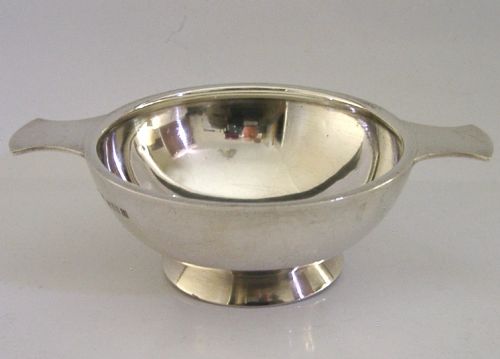
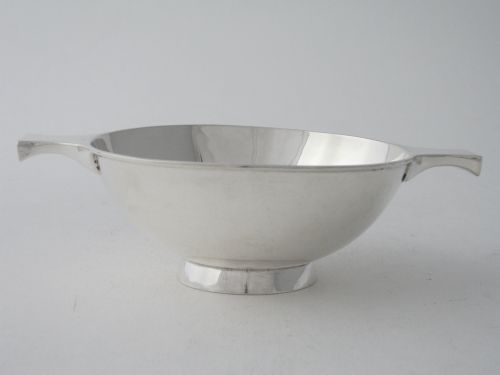
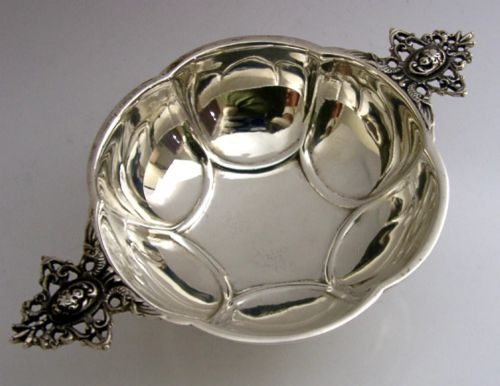
A vintage two handled bowl brings practical grace to any room, offering the twin lugs of a quaich, porringer or trophy cup.
Vintage Two Handled Bowl
When you search for a vintage two handled bowl, you encounter a surprisingly varied range of drinking vessels, preserving pans and decorative dishes. The forms span from traditional Scottish quaichs and lidded porringers to heavy copper preserve pans and delicate bone china soup bowls.
You are most likely to meet sterling silver drinking vessels and porcelain table wares on this page, reflecting British and continental European domestic habits across the twentieth century. Pieces range from austere Arts and Crafts planished silver to ornate Rococo Revival silver and painted Royal Worcester porcelain.
The assortment draws heavily on mid-century British silver alongside earlier Edwardian and Victorian forms, capturing both social rituals and kitchen utility. Each specimen carries distinct cultural markers, whether it functions as a barware whisky cup, a christening bowl or a hunting trophy.
Materials and construction methods
Metals dominate this selection, with solid sterling silver and copper shaped through traditional hammering, planishing and casting techniques. Silversmiths formed quaichs and porringers from thick metal sheets, applying hand-beaten finishes that display the maker's hammer marks across the body.
Ceramic examples rely on fine bone china and porcelain, fired at high temperatures before receiving intricate hand-painted fruit decoration. Guilders added gilt highlights to porcelain surfaces and interior bowls, contrasting with the cool lustre of polished silver and the warm reddish hue of heavy copper.
Vintage Two Handled Bowl Retail Price Guide 2026
Typical asking prices for vintage two handled bowl among the pieces listed under this phrase on Sellingantiques today, from the lower quarter to the upper quarter. They describe what is for sale here now, not the wider market.
Listings feature sterling silver, copper, and porcelain spanning from the nineteenth century through the nineteen-sixties.
Assessing quality in double-handled vessels
Quality rests upon the integrity of the handles and the weight of the metal relative to the vessel size. Substantial sterling silver pieces display crisp hallmarks and secure handle attachments, while lesser items feel thin or show clumsy soldering at the stress points.
In ceramics, the finesse of the painted decoration and the clarity of the porcelain body dictate the standing of the piece. Master painters at factories like Royal Worcester achieved depth through layered brushwork, whereas routine factory output displays flat coloration and standard transfer prints.
R E Stone·Royal Worcester
The Vintage Two Handled Bowl Glossary
- Quaich
- A traditional Scottish drinking vessel featuring two short flat handles known as lugs. It was originally carved from wood but later translated into sterling silver for formal hospitality.
- Porringer
- A small deep bowl furnished with one or two horizontal handles, historically used for porage, broth or sick-room food. In later periods it frequently served as a christening gift.
- Planishing
- A metalworking technique involving light hammering with a polished flat-faced hammer to smooth a surface and harden the metal. It leaves a distinctive textured pattern across silver bowls.
- Preserve pan
- A large open vessel designed for boiling fruit and sugar down into jams, usually rendered in heavy copper with dual side handles for safe lifting.
- Hallmark
- A series of official stamps applied to precious metals indicating the standard of purity, the assay office, and the date of manufacture. These marks allow precise dating of British silver.
Vintage Two Handled Bowl: Frequently Asked Questions
What is a two handled bowl used for?
These vessels served diverse functions depending on their material and regional origin, ranging from communal whisky drinking to serving preserves and soups.
Silver examples often acted as presentation cups, christening bowls or barware, while copper versions worked hard in the kitchen for jam-making.
How do I date a silver bowl?
British silver relies on official hallmarking systems stamped directly into the metal, which reveal the assay office and the exact year of production.
Stylistic cues such as Arts and Crafts planishing or Art Deco geometry also help narrow down the decade when hallmarks are absent.
Are these bowls safe for food?
Solid silver and porcelain pieces remain completely suitable for serving dry foods, fruit or bottled spirits during modern dining.
Copper preserve pans require proper lining maintenance if utilised for active food preparation, though many collectors simply display them as decorative objects.