




Vintage Turned Bowl
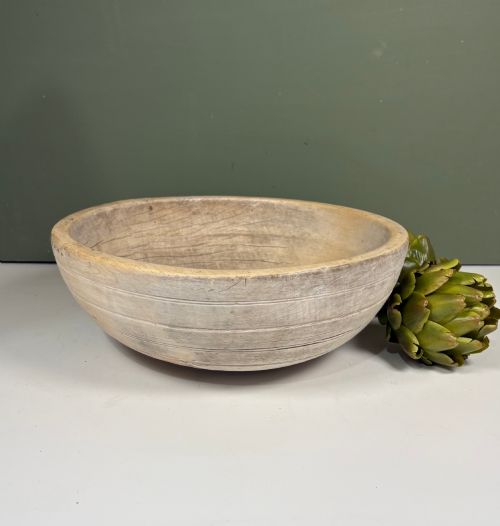
A vintage turned bowl is a solid wooden vessel shaped on a lathe, prized for its tactile grain and domestic history.
Vintage Turned Bowl
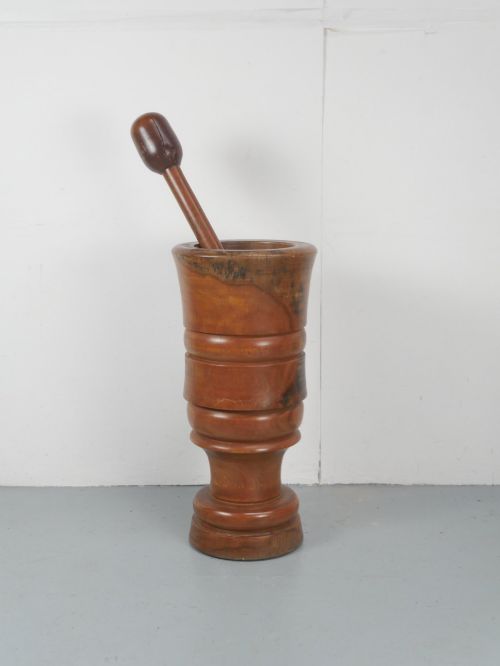
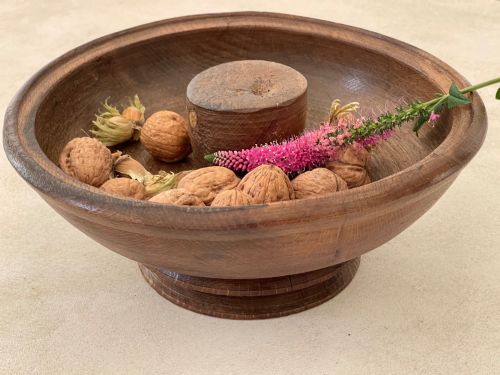
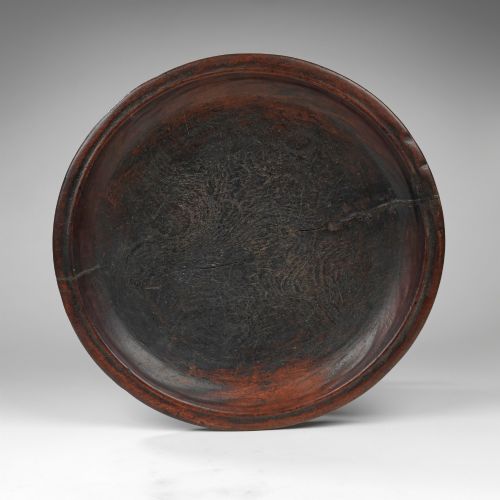
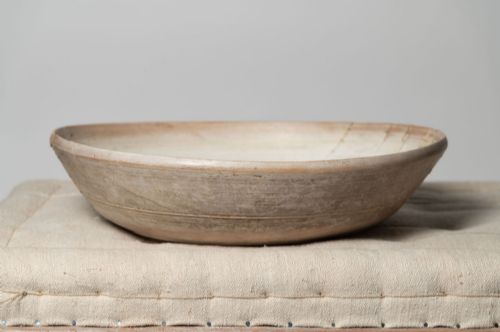
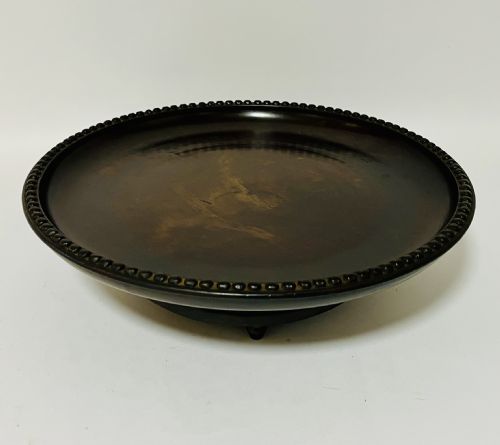
A vintage turned bowl encompasses functional treen vessels shaped on a lathe, including dairy bowls, fruit bowls, and nut bowls. These items emerge from various periods such as the Georgian era, the nineteenth century, and the seventeenth century, reflecting long traditions of domestic woodwork.
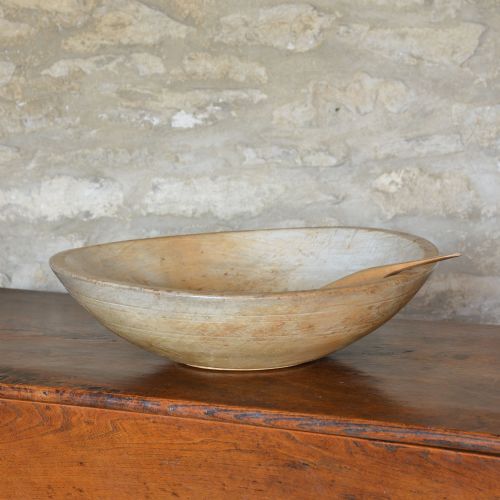
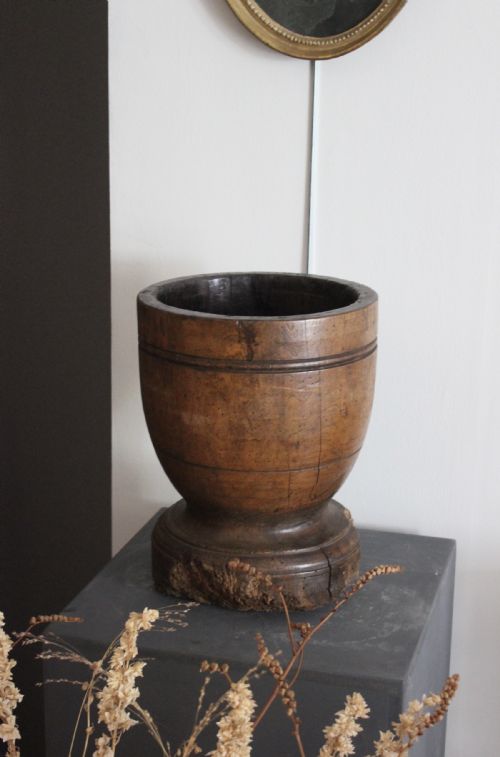
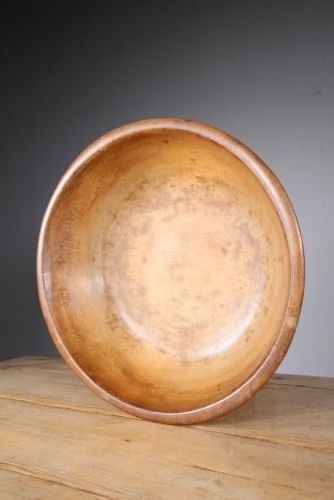
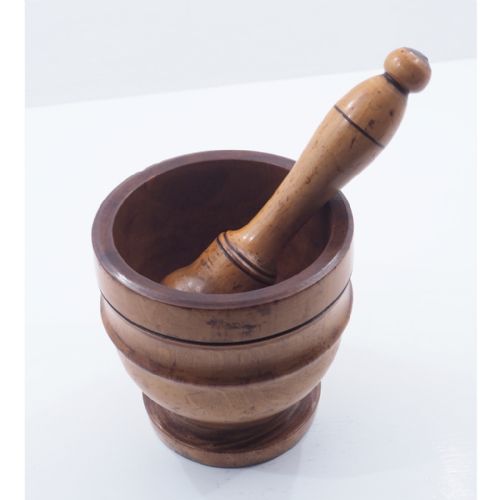
The most common examples on this page are nineteenth-century sycamore dairy bowls originating from English and Welsh rural contexts. Alongside these utilitarian dairy vessels, buyers encounter turned mortars, platters, and spice pots fashioned from regional hardwoods.
Makers often shaped these pieces for practical kitchen or farm use, resulting in sturdy forms meant for heavy daily labour. Over decades of service, these turned wooden surfaces acquire distinct patinas that mark them out from modern decorative objects.
How they were made
Woodturners shaped these vessels on a lathe using regional timbers such as sycamore, ash, walnut, olive wood, and lignum-vitae. Green wood was frequently turned green and allowed to warp slightly as it dried, creating organic oval profiles rather than rigid circles.
Makers utilised traditional gouges and chisels to hollow out the interior and define the foot ring or rim. Certain forms combined turned wooden elements with brass or bronze components, particularly in mortars and pestles.
Vintage Turned Bowl Retail Price Guide 2026
Typical asking prices for vintage turned bowl among the pieces listed under this phrase on Sellingantiques today, from the lower quarter to the upper quarter. They describe what is for sale here now, not the wider market.
Listings feature turned treen vessels spanning the seventeenth, eighteenth, and nineteenth centuries, executed in sycamore, ash, walnut, and lignum-vitae.
What varies in quality
Quality rests in the balance of the proportions and the crispness of the turning marks left by the artisan's tools. A well-proportioned vessel sits comfortably on its base and shows a thoughtful wall thickness that respects the natural movement of the timber.
The depth and warmth of the patination dictate visual success, with decades of handling creating a soft, tactile surface. Pieces retaining clear tool marks and honest signs of historic kitchen use generally outrank heavily sanded or stripped examples.
The Vintage Turned Bowl Glossary
- Treen
- Small handmade wooden objects of domestic use. This term covers everything from bowls and platters to ladles and spice pots.
- Dairy bowl
- A shallow wooden vessel used historically for setting milk and skimming cream. Sycamore was the preferred timber because it did not impart flavours to dairy produce.
- Mortar and pestle
- A heavy bowl paired with a club-shaped tool used for grinding and crushing substances. Examples range from seventeenth-century lignum-vitae to nineteenth-century brass.
- Patina
- The surface sheen and colour developed by wood over years of handling, light exposure, and natural oils. A deep patina indicates age and regular use.
- Lignum-vitae
- An exceptionally dense and heavy hardwood derived from trees of the genus Guaiacum. It was frequently utilised for turned mortars due to its durability.
Vintage Turned Bowl: Frequently Asked Questions
What are vintage turned bowls made of?
These vessels are fashioned from various hardwoods, with sycamore being particularly prevalent among dairy bowls. Other utilised timbers include ash, walnut, olive wood, fruitwood, and dense lignum-vitae.
Craftsmen selected specific woods based on local availability and functional suitability, such as non-tainting timbers for food preparation and heavy woods for grinding implements.
How were dairy bowls used?
Historic dairy bowls served as wide, shallow vats where fresh cow milk was left to rest. Cream would naturally rise to the surface, allowing dairy workers to skim it off easily for butter and cheese making.
Once retired from the dairy, many such vessels found secondary uses around the farmhouse kitchen or pantry for general storage and food preparation.
How do I care for a wooden bowl?
Keep wooden vessels away from direct heat sources, radiators, and strong sunlight to prevent the timber from drying out and splitting. Wash them gently by hand with mild soap and water, and dry them immediately with a cloth.
Applying occasional coats of food-safe mineral oil or beeswax helps nourish the wood and maintain the surface sheen without sealing it artificially.
How can I tell the age of treen?
Age is determined by assessing the tool marks left by the lathe, the type of timber used, and the overall wear patterns. Hand-turned pieces often exhibit subtle irregularities and characteristic chisel ridges from early lathe work.
The presence of a rich, warm patina built up through decades of handling also serves as a strong indicator of significant age.