

Vintage Triple Light
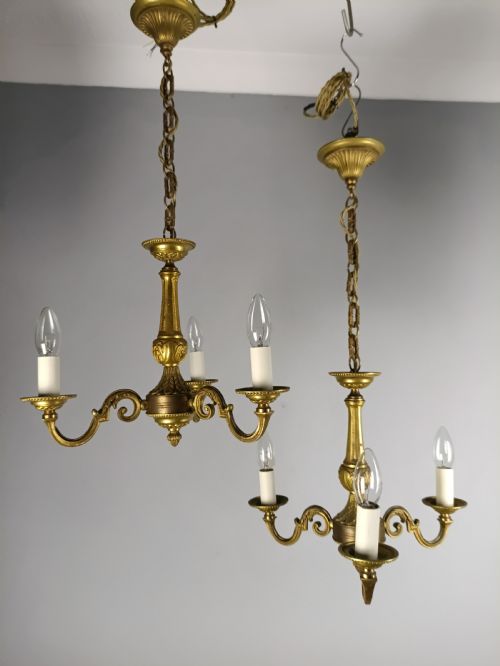
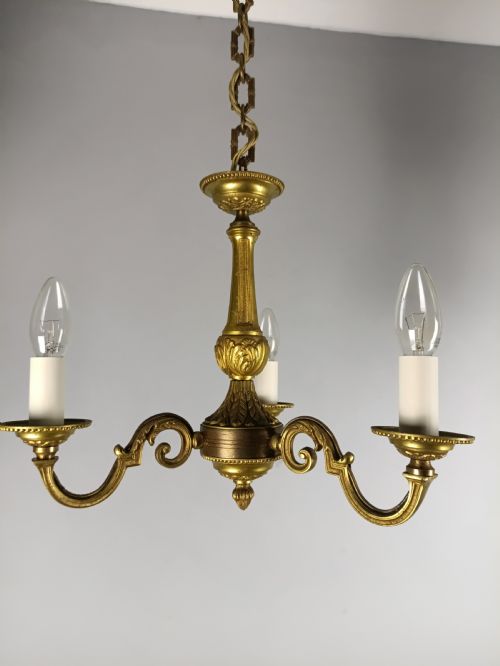
These vintage triple light fixtures bring period warmth and illumination to a room, spanning French chandeliers, wall sconces, and hall lanterns from the late nineteenth and early twentieth centuries.
Vintage Triple Light
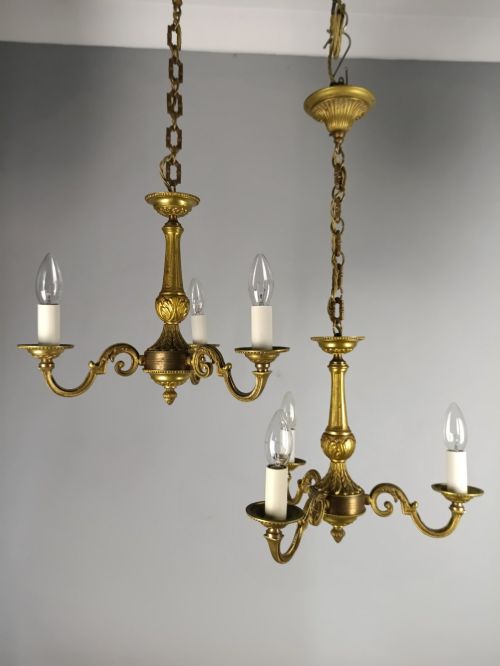
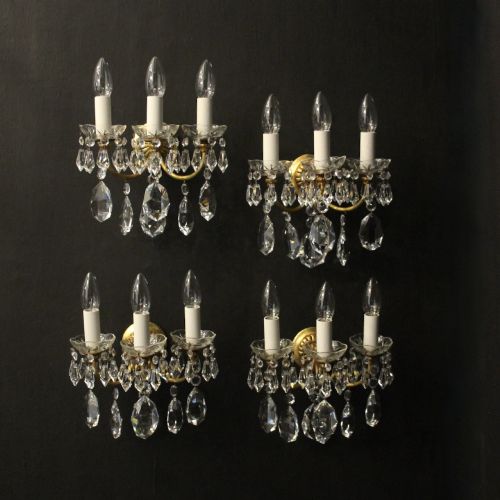
A vintage triple light setup comprises wall lights, chandeliers, hall lanterns, and candelabras designed to hold or emit illumination from three distinct points. These pieces emerge predominantly from French and Italian workshops across the late nineteenth century and the early decades of the twentieth century.
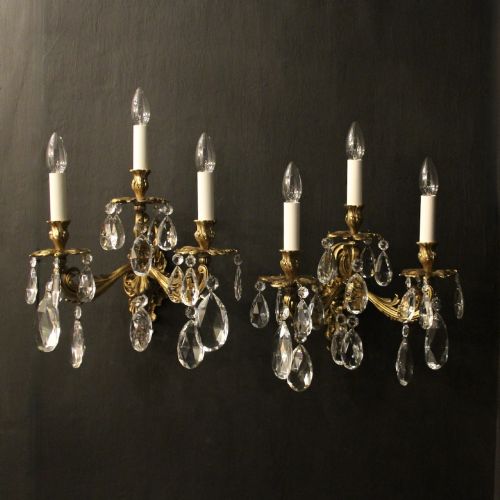
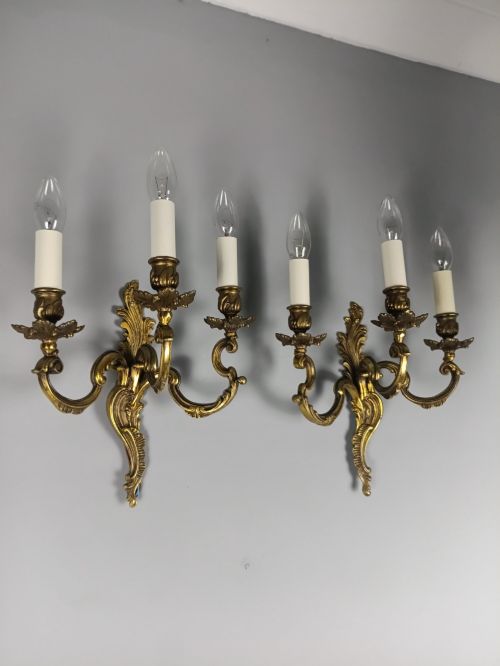
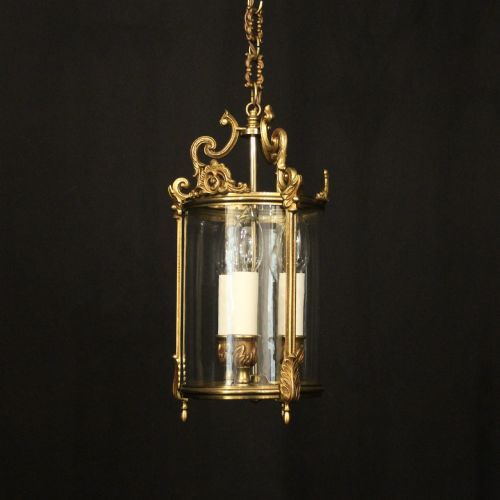
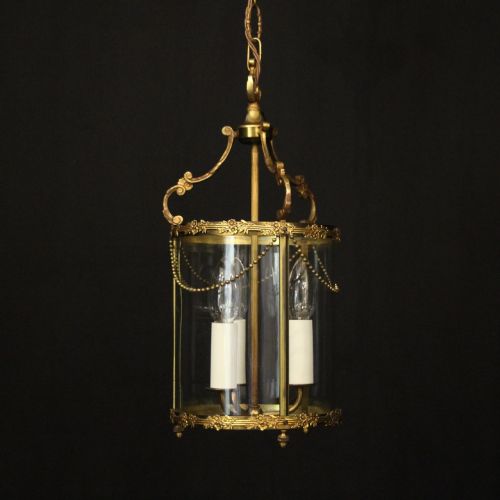
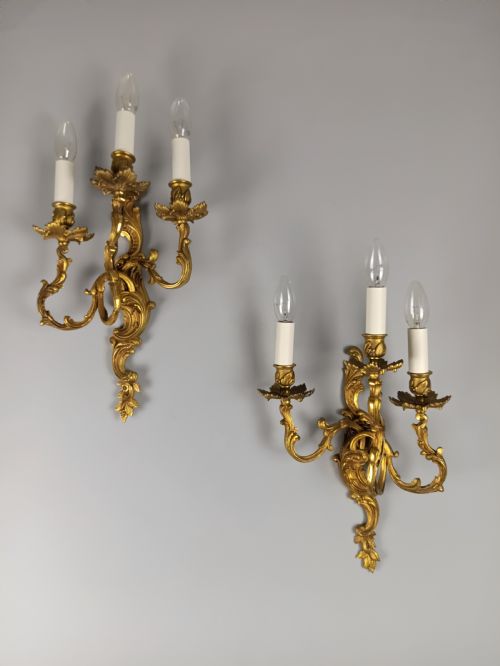
The selections on this page lean heavily towards French gilt brass and gilded bronze wall sconces, alongside Florentine giltwood arms and glass hall lanterns. Buyers encounter matching pairs of wall lights or single hanging fixtures bearing three distinct candle arms or bulb holders.
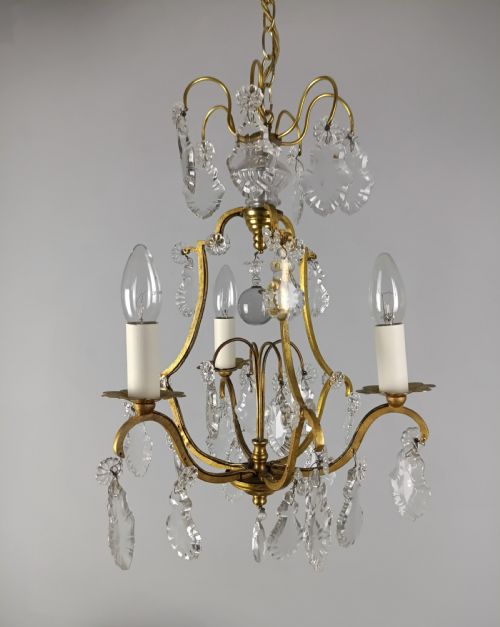
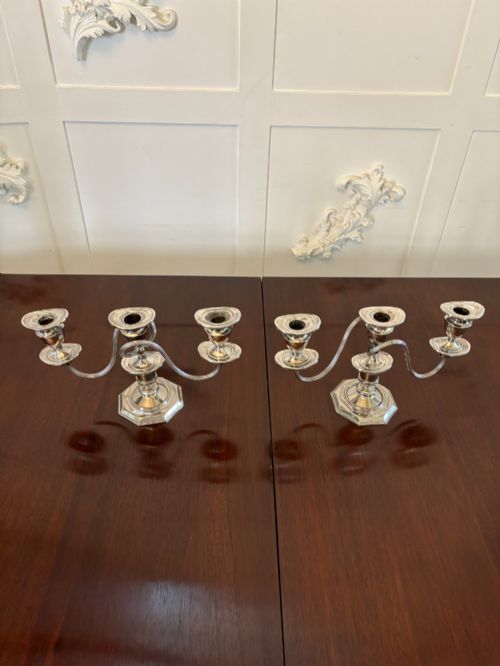
Forms span from ornate French Rococo and Baroque wall sconces adorned with crystal drops to restrained Edwardian silver plated candelabras and Art Deco designs. Each configuration offers a balanced distribution of light tailored for reception rooms, hallways, and boudoirs.
How they were made
Metalwork forms the backbone of these pieces, utilising cast brass, gilded bronze, silver plated metals, and patinated brass to shape backplates and branching arms. Artisans employed traditional casting and chasing techniques to achieve elaborate scrolling leaf motifs and symmetrical candle cups.
Vintage Triple Light Retail Price Guide 2026
Typical asking prices for vintage triple light among the pieces listed under this phrase on Sellingantiques today, from the lower quarter to the upper quarter. They describe what is for sale here now, not the wider market.
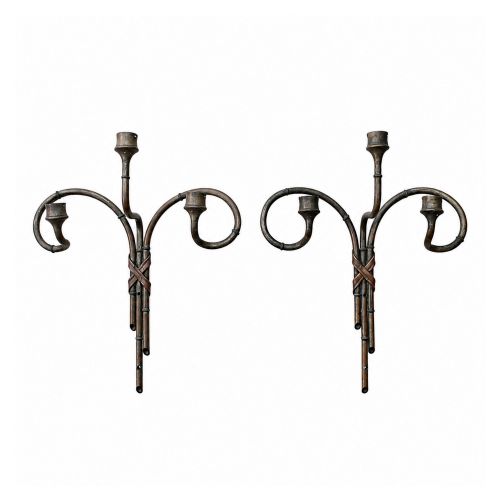
Bamboo wall lights from the 1920s show that even interior lighting succumbed to the era's enduring fascination with exotic botanical motifs.
What varies in quality
The crispness of the chasing and the depth of the metal casting distinguish finer examples from simpler production pieces. Highly regarded French gilded bronze and gilt brass sconces exhibit sharp relief in their Rococo scrolls and acanthus leaves.
The integration of original glass components, such as cut crystal drops and etched glass convex lanterns, influences the integrity of the piece. Substantial gauge brass and well-preserved gilding reflect superior workshop standards during manufacture.
Wm. Tonks & Sons
The Vintage Triple Light Glossary
- Gilded Bronze
- Bronze that has been coated with a thin layer of gold or gold leaf, providing a durable and luminous metallic finish.
- Hall Lantern
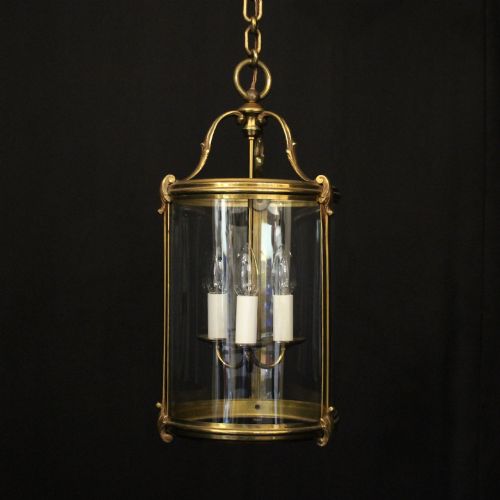
- An enclosed hanging light fixture designed specifically for entrance halls and vestibules, often featuring glass panels set within a metal frame.
- Rococo
- An ornate design style characterised by asymmetric scrollwork, shell motifs, and curving plant forms prevalent in eighteenth century revivals.
- Candelabra
- A branched candlestick holder designed to support multiple candles or, in later conversions, electrical light bulbs.
- Giltwood
- Timber, often carved gesso over wood, coated with gold leaf to simulate solid gold enrichment.
Vintage Triple Light: Frequently Asked Questions
How do I install vintage wall lights?
Many vintage wall lights arrive rewired and ready for professional installation into standard household electrical circuits. Electricians mount them securely to wall brackets using the existing backplates.
Ensure that the wall structure supports the weight of heavier cast bronze or crystal fixtures before final mounting.
What rooms suit a triple light fixture?
Triple arm wall sconces fit comfortably in hallways, dining rooms, and living spaces where balanced ambient illumination is required. Pairs look particularly effective flanking mirrors, fireplaces, or doorways.
Smaller hall lanterns suit entrance vestibules while larger chandeliers anchor principal rooms.
How do I clean gilded bronze and brass?
Dust metal surfaces gently with a soft, dry cloth to prevent the accumulation of grime. Avoid harsh chemical cleaners that strip historical patina or damage delicate gilding.
Crystal drops can be removed and washed in warm soapy water before being dried thoroughly and reattached.
How are nineteenth and twentieth century styles told apart?
Nineteenth century pieces often display heavier cast bronze construction with deep Baroque or Rococo ornamentation and elaborate hand chasing. Early twentieth century examples introduce cleaner lines, such as Art Deco geometries or bamboo frames.
Edwardian items frequently feature silver plating or lighter brass fabrication reflecting changing domestic tastes.