



Vintage Transferware Pottery
Vintage transferware pottery brings patterned earthenwares and ironstones into domestic spaces, offering collectors scenic prints and robust serving forms.
Vintage Transferware Pottery
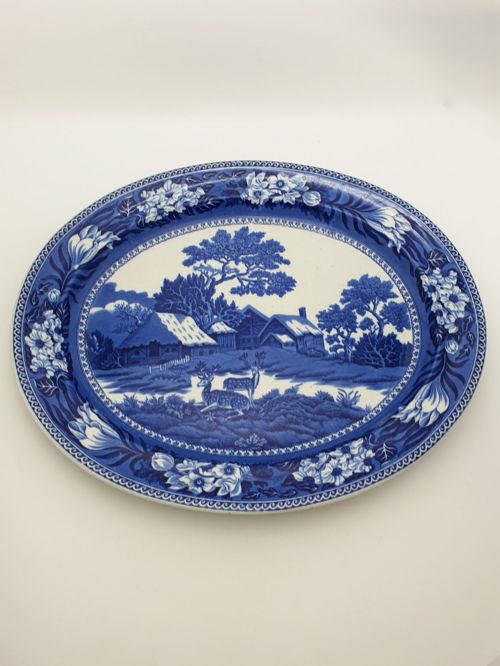
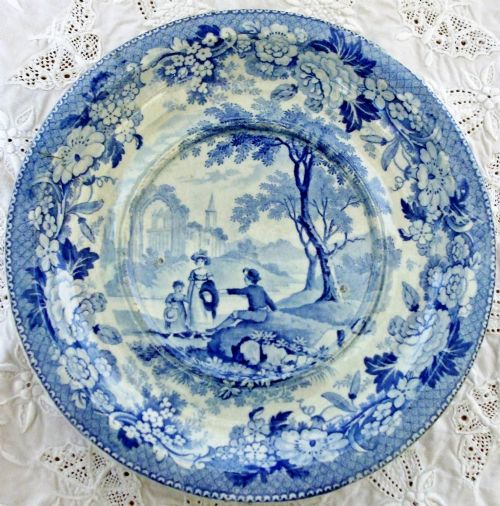
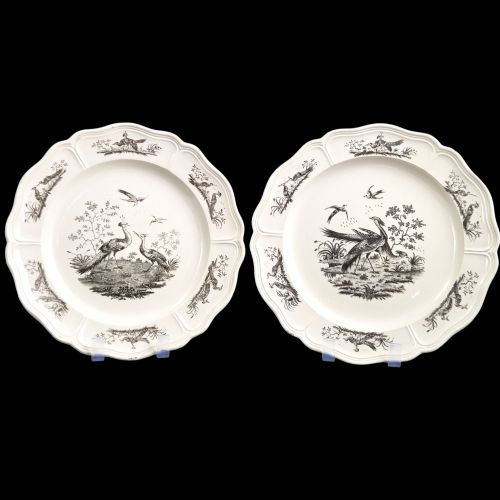
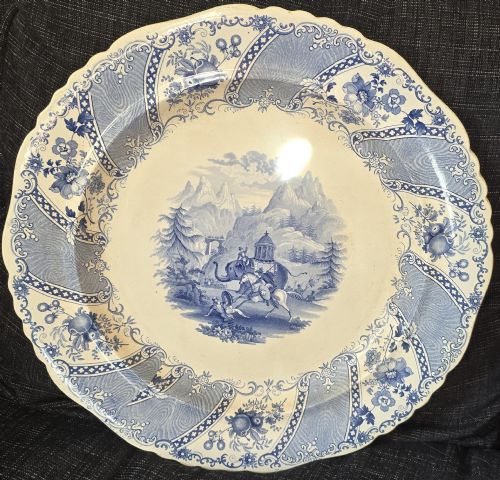
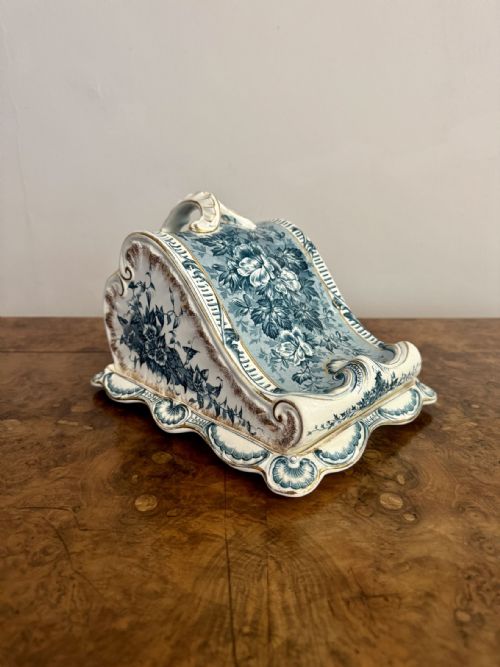
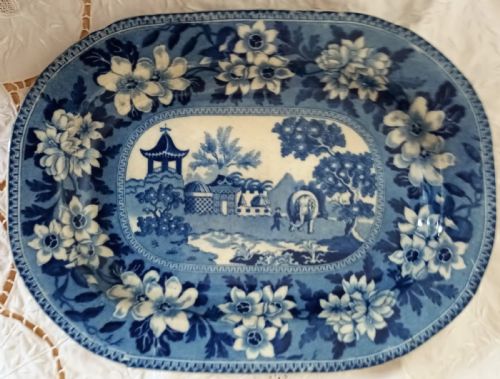
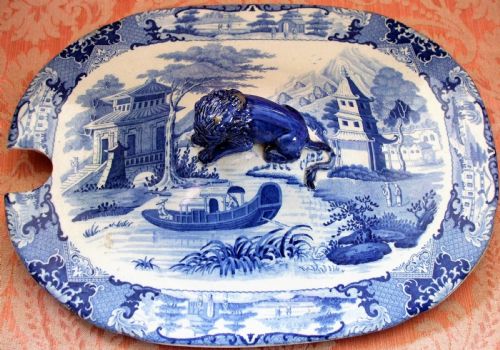
Vintage transferware pottery encompasses domestic earthenware, creamware, pearlware, and ironstone vessels decorated with printed pictorial scenes. These items emerge primarily from the nineteenth century, including Georgian and Victorian periods, alongside later twentieth-century examples.
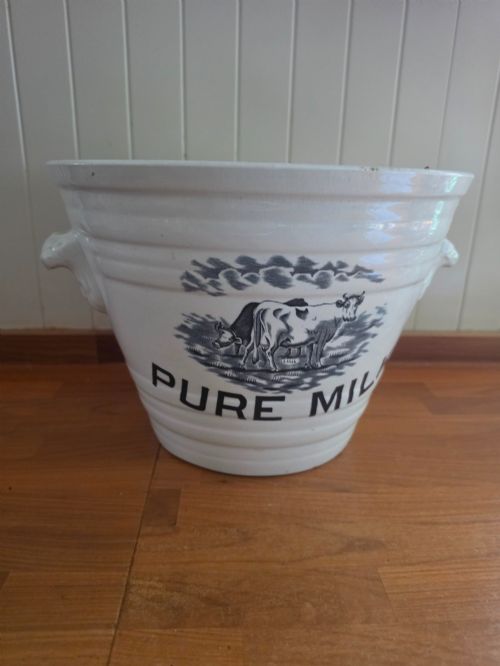
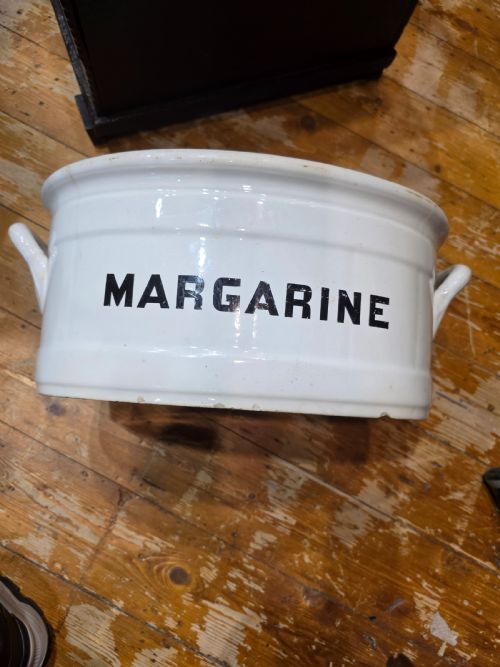
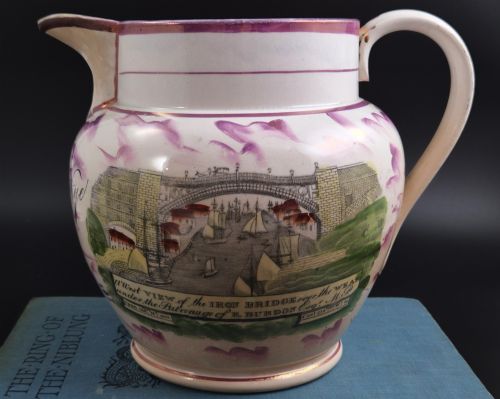
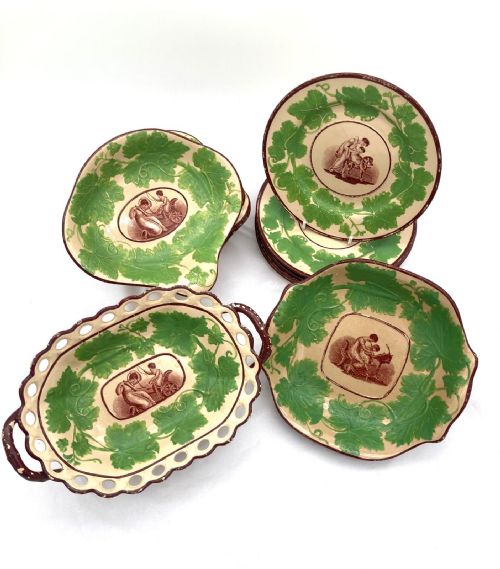
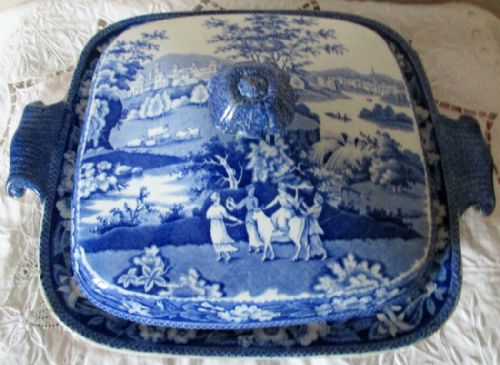
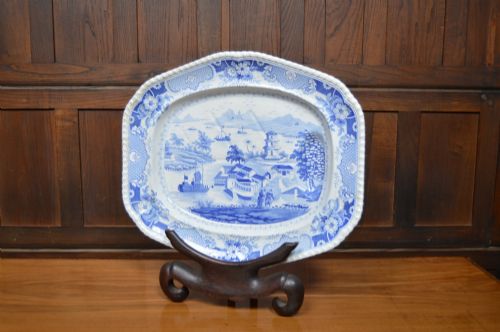
Buyers encounter a variety of functional and decorative forms on this page, ranging from large meat platters, vegetable tureens, and chestnut baskets to everyday plates, jugs, and chamber pots.
How they were made
Potters shaped ceramic bodies from earthenware, pearlware, creamware, or ironstone, applying a glaze to seal the porous clay base. Artisans transferred engraved copper-plate designs onto tissue paper before pressing the ink onto the biscuit pottery prior to firing.
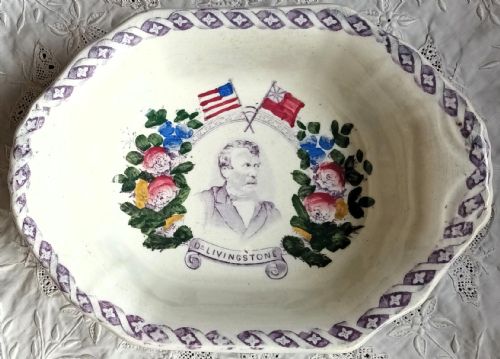
Certain pieces incorporate secondary decorative techniques alongside transfer printing, including pink splash lustre highlights, hand-painted botanical details, or moulded relief elements.
Kiln firing fixed the ceramic glaze and fused the blue, mulberry, or multicoloured transfer prints permanently into the surface of the vessel.
Vintage Transferware Pottery Retail Price Guide 2026
Typical asking prices for vintage transferware pottery among the pieces listed under this phrase on Sellingantiques today, from the lower quarter to the upper quarter. They describe what is for sale here now, not the wider market.
What varies in quality
The clarity and crispness of the transfer print dictate visual appeal, separating sharply defined engraved architectural and landscape scenes from blurred or smudged impressions. The depth of the glaze and the uniformity of the ceramic body also influence the overall refinement of each vessel.
Completeness alters the standing of tableware sets, particularly when lidded tureens retain matching ladles, or when platters sit alongside their original companion plates.
Scale and ambition separate standard domestic utilitarian wares from monumental chargers, large footbaths, and specialised serving dishes designed for formal dining.
William Smith & Co·John Rogers & Son·John and Richard Riley·J. & R. Clews·William Adams·Ridgways·Minton·Elkin & Newbon
The Vintage Transferware Pottery Glossary
- Transferware
- Pottery decorated by applying a printed paper design from an engraved copper plate onto a ceramic surface. This technique allowed potteries to produce intricate pictorial scenes with consistent repetition.
- Pearlware
- A refined earthenware developed in the late eighteenth century featuring a bluish-white glaze that pooled in recesses. It bridges the stylistic gap between creamware and later nineteenth-century white ironstones.
- Ironstone
- A durable, heavy ceramic body patented in the nineteenth century to withstand hard domestic and commercial use. It provides a dense, opaque white canvas for transfer-printed decoration.
- Lustre
- A metallic glaze finish applied to pottery to create an iridescent or reflective sheen, frequently seen as pink splashes or borders on nineteenth-century jugs and bowls.
- Creamware
- A light-coloured refined earthenware with a warm yellowish glaze developed during the eighteenth century. It served as a popular base for early printed patterns.
Vintage Transferware Pottery: Frequently Asked Questions
How do I date vintage transferware pottery?
Dating relies heavily on pottery marks stamped or printed on the base, along with the specific chemical composition of the ceramic body, such as early creamware versus later ironstone.
Stylistic cues within the transfer print, such as registry marks or costume details in pictorial scenes, also help narrow down the decade of manufacture.
Can I use transferware pottery for daily dining?
Many nineteenth-century plates and platters remain structurally robust enough for occasional modern service, provided they are washed by hand rather than subjected to harsh dishwashers.
Because older glazes may contain historical trace elements, many collectors prefer to keep these ceramics strictly for display or dry decorative use.
What caused the different colours in transfer prints?
Cobalt oxide served as the primary pigment for deep blue transfer prints because it withstood high kiln temperatures without burning away.
Later technological developments allowed potteries to introduce mulberry, pink, and multi-coloured printed palettes using alternative mineral oxides.
How should I clean antique transferware safely?
Warm water and mild soap applied with a soft cloth or sponge safely remove surface dust without risking the antique glaze.
Avoid soaking vessels with pre-existing hairline cracks or crazing, as moisture trapped in the porous ceramic body can cause staining.