






Vintage Train Painting
A vintage train painting captures the romance of steam and steel through brush and board, offering a direct window into railway history.
Vintage Train Painting
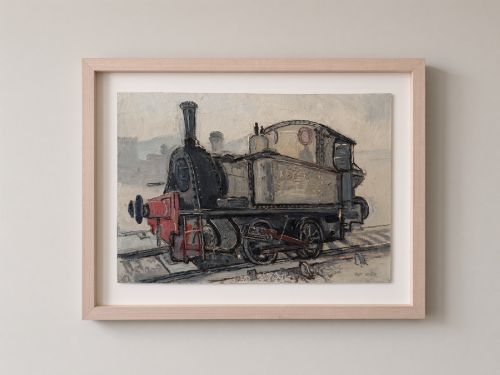
A vintage train painting brings railway heritage directly onto the wall, taking forms such as oil on board depictions of side tank steam locomotives by artists like Fred Yates. These works capture the kinetic energy of historic transport through the distinct lens of British Naive Art.
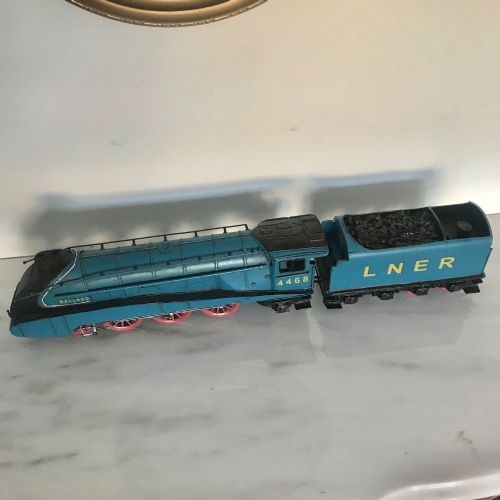
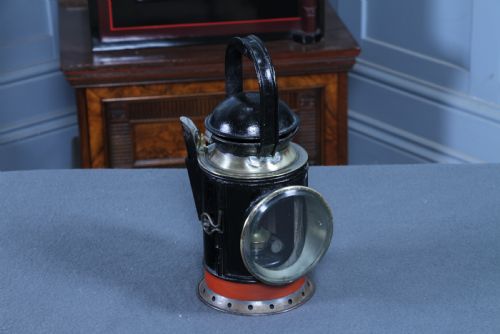
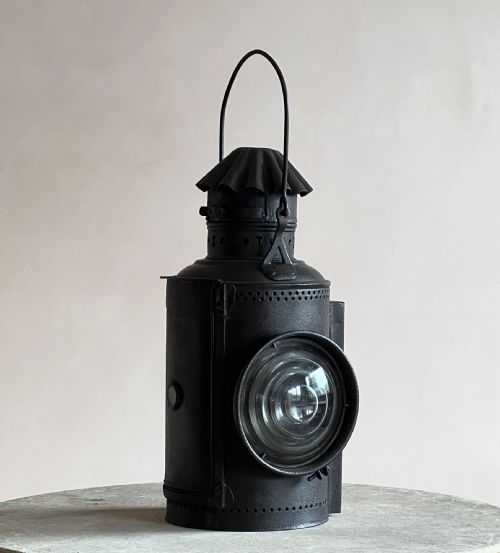
Beyond purely flat works, the selection spans related industrial transport items from the nineteenth century up to the period later than nineteen sixty. Buyers encounter tangible railway artefacts including brass and glass lanterns, painted metal signs, model locomotives, and station benches that echo the aesthetic of the painted works.
Materials and Construction
Paint on board serves as the primary medium for the pictorial works, capturing texture and depth through direct application of pigment. Artists utilise oil boards to record the robust forms of locomotives with immediate, expressive brushwork.
The physical artefacts associated with these paintings combine cast iron, brass, glass, and wood. Makers shaped structural elements through traditional metalworking and joinery, incorporating painted metal and tri-colour lenses for functional railway use.
Vintage Train Painting Retail Price Guide 2026
Typical asking prices for vintage train painting among the pieces listed under this phrase on Sellingantiques today, from the lower quarter to the upper quarter. They describe what is for sale here now, not the wider market.
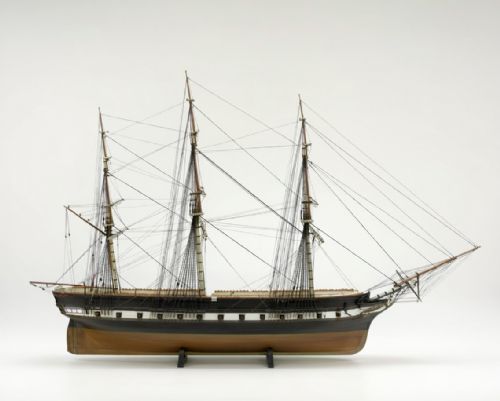
Training models of naval vessels occasionally sneak into railway collections, proving that makers simply could not resist building anything that moved on steam or water.
Evaluating Quality
Quality rests upon the strength of the artist's hand and the immediacy of the composition, where expressive brushwork elevates a painted record into a compelling work of art. The handling of medium on board dictates the visual impact of the locomotive.
For associated railway objects, quality emerges from the integrity of the materials and the survival of original surfaces, such as undisturbed paint on metal signs or authentic patina on timber benches. Maker attribution and period specificity further distinguish the finer examples.
Fred Yates
The Vintage Train Painting Glossary
- Oil on board
- A painting medium where oil paint is applied directly to a rigid wooden or composition board. This surface provides a stable, textured ground popular for robust plein-air and industrial studies.
- British Naive Art
- A style characterised by a childlike perspective, directness of vision, and lack of formal academic training. Artists working in this manner focus on honest depiction rather than strict adherence to linear perspective.
- Railwayana
- Artefacts and collectables associated with the operation and history of railways. This broad category includes lamps, signs, models, and architectural salvage from stations and rolling stock.
- Streamline Moderne
- An late branch of Art Deco architecture and design that emerged during the nineteen thirties, emphasising curved forms, long horizontal lines, and nautical or industrial elements.
Vintage Train Painting: Frequently Asked Questions
What defines a vintage train painting?
A vintage train painting is typically an oil on board artwork depicting locomotives or railway scenes, often executed in styles such as British Naive Art.
These works reflect the historical fascination with steam transport, capturing the heavy machinery and atmosphere of the tracks.
How do I display railway art at home?
These paintings suit spaces that celebrate industrial history, hanging well on plain plaster or dark-toned walls alongside complementary railway artefacts.
Ensuring stable room humidity protects the board support and the oil pigments over time.
Are models considered part of railway art?
Hand-built scale models and training pieces share the aesthetic and historical sphere of painted works, representing the same engineering era.
They offer three-dimensional interpretations of locomotives alongside flat pictorial representations.
How are different periods identified?
Periods are recognised through materials, artistic styles like Streamline Moderne or Edwardian Industrial, and specific mechanical details on the locomotives depicted.
Written records on the reverse of boards or inherent material ageing also help date the pieces.