






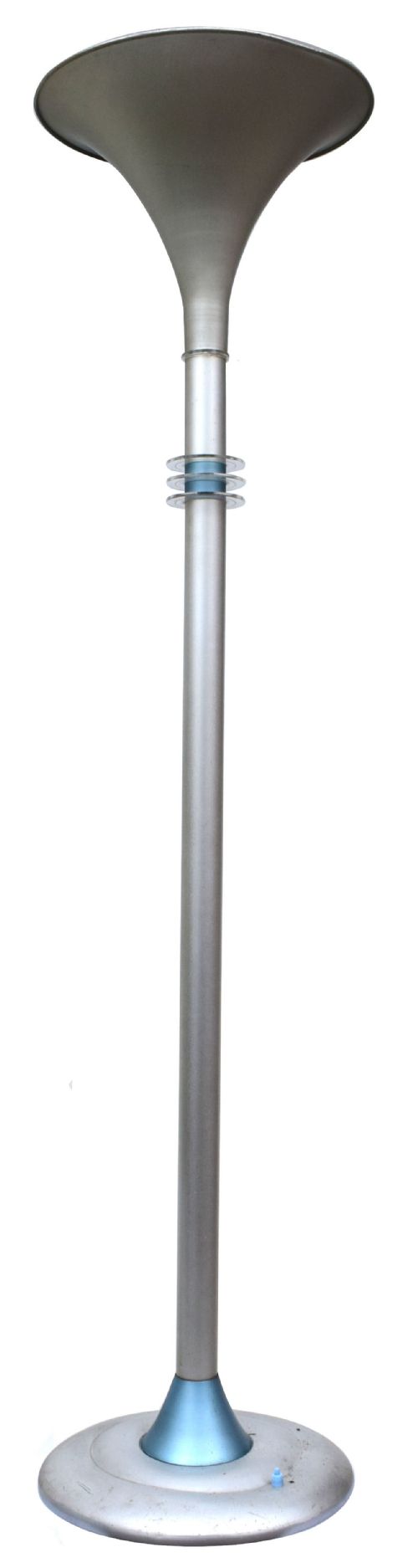
Vintage Torchiere Stand
A vintage torchiere stand brings height and illumination to a room, offering a slender profile designed to hold a light or display an object.
Vintage Torchiere Stand
A vintage torchiere stand serves as a tall floor-standing fixture or display support, originating from various periods including the nineteenth century, Victorian era, Edwardian period, and the 1920s and 1930s. When searching for a vintage torchiere stand, buyers encounter floor lamps, uplighters, and pedestals designed for both illumination and display.
The selections span distinct stylistic influences, from French Empire and Venetian Renaissance Revival to Art Deco and Hollywood Regency designs. Wood forms, including mahogany and walnut, appear alongside brass and metal constructions.
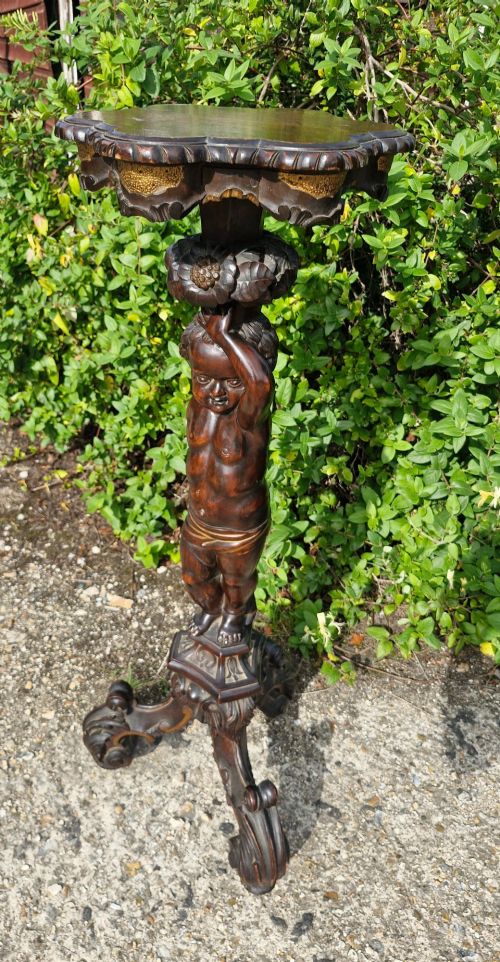
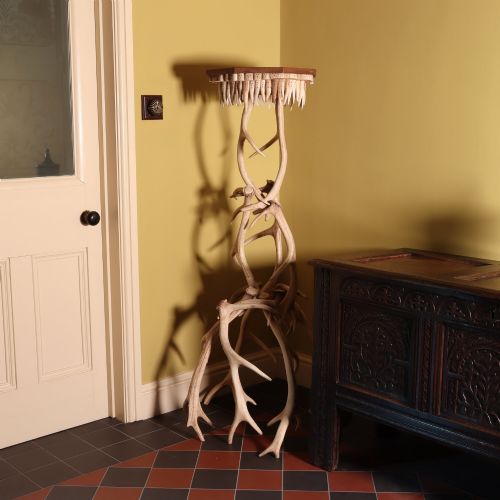
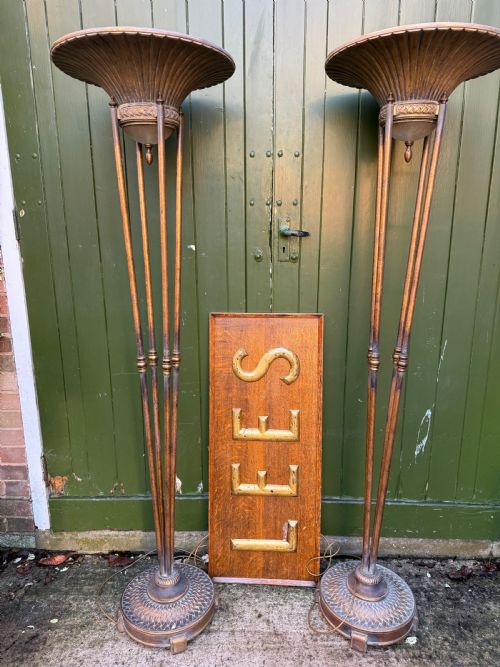
The inventory includes specialised variations such as antler torchieres, telescopic brass uplighters with opaline glass, and carved plant stand combinations. These pieces function variously as direct light sources and elevated platforms for busts or jardinieres.
How they were made
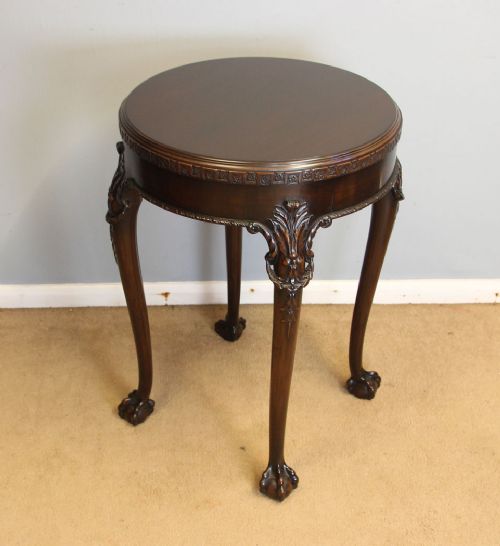
Construction relies heavily on timber framing, utilising dense woods like mahogany and walnut, occasionally enhanced by Macassar ebony veneers or gold leaf gilding. Carved wooden details define traditional nineteenth-century examples and rustic Victorian pieces.
Unconventional materials also enter the construction methods, as demonstrated by taxidermy antler utilised in specific turn-of-the-century designs. Joinery and carving techniques vary according to the prevailing style, from French Chateau curves to clean Art Deco geometry.
Vintage Torchiere Stand Retail Price Guide 2026
Typical asking prices for vintage torchiere stand among the pieces listed under this phrase on Sellingantiques today, from the lower quarter to the upper quarter. They describe what is for sale here now, not the wider market.
The selection includes pieces spanning the nineteenth century through the 1930s, featuring mahogany, walnut, brass, and antler.
What varies in quality
Quality differentiates through the refinement of carving work and the selection of timber veneers, where figured walnut and Macassar ebony distinguish higher-grade examples from plain wood pieces. The integration of materials, such as the combination of brass with opaline glass, influences the visual weight and finish of an uplighter.
Structural integrity in taller floor-standing forms depends on the stability of the base and the precision of mechanical adjustments like telescopic mechanisms found in Edwardian examples. The purity of stylistic execution, whether capturing the symmetry of French Empire or the distinct motifs of Hollywood Regency, marks the distinction between standard production and superior craftsmanship.
The Vintage Torchiere Stand Glossary
- Torchiere
- A tall standing lamp designed to direct light upwards toward the ceiling. This form frequently doubles as a display column for decorative objects.
- Uplighter
- A lighting fixture engineered to cast illumination vertically. These often feature glass shades paired with metal or wooden standards.
- Opaline
- A milky, translucent glass used for lamp shades to diffuse light evenly. It appears frequently on twentieth-century standard lamps.
- Jardiniere
- An ornamental pot or stand for plants, sometimes integrated into the design of a tall wooden torchiere.
- Telescopic
- A shaft construction allowing the height of the stand or lamp to be adjusted. This mechanism is typical in Edwardian brass lighting.
Vintage Torchiere Stand: Frequently Asked Questions
What is a torchiere stand?
A torchiere stand is a tall, slender furniture piece originally designed to hold a light source or display a bust, urn, or plant. These tall supports draw the eye upward and occupy minimal floor space.
In contemporary interiors, they function effectively in corners or beside seating arrangements to provide ambient uplighting or structural height.
How do I style a torchiere?
These tall stands work well in empty corners, framing doorways, or alongside large pieces of furniture that need vertical balance. Their slender footprint allows them to fit into tighter spaces while introducing height to a room.
When fitted with a light, they provide soft, indirect illumination by bouncing light off the ceiling.
What is the difference between a torchiere and a pedestal?
A torchiere specifically incorporates lighting or derives from lighting forms, whereas a pedestal is strictly a display column for art objects, plants, or busts. However, many antique examples blur this line by serving dual purposes.
Both forms share a tall, narrow profile designed to elevate items above standard table height.
How do I identify Art Deco stands?
Art Deco stands from the 1920s and 1930s typically feature streamlined geometric forms, stepped designs, and contrasting exotic wood veneers like walnut and Macassar ebony. They often embrace sleek metallic elements.
These pieces reflect the modernism of the interwar period, contrasting sharply with the heavier carvings of Victorian or French Empire styles.