


Vintage Tobacciana Lighter
These vintage tobacciana lighter pieces are smoking accessories designed for the table, offering a glimpse into past smoking habits.
Vintage Tobacciana Lighter
A vintage tobacciana lighter brings together functional smoking equipment and decorative arts from periods such as the Victorian era, the 1920s, and the mid-twentieth century. These items range from standalone table lighters to comprehensive smoking compendiums that include cigar boxes and matching elements.
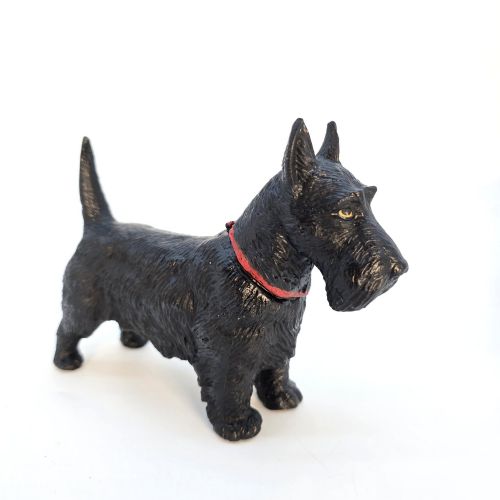
Buyers encountering this search phrase find diverse forms including novelty figures, classical revival shapes, and modernist designs. Table lighters from the 1920s and 1930s frequently adopt whimsical characters or sleek architectural lines suited to contemporary interiors.
How they were made
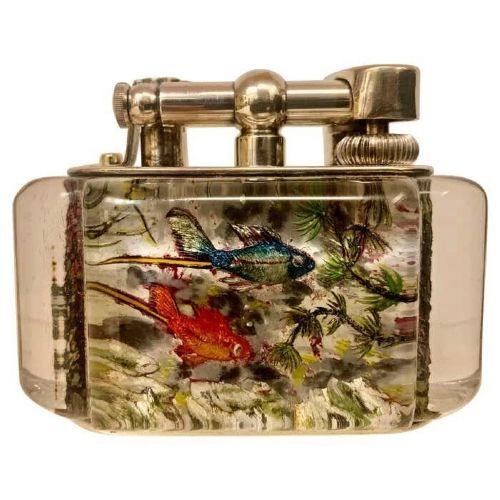
Many pieces utilise cast metal, spelter, or silver plate, often paired with hand-painted details or glass components to create figural and novelty shapes. Silver and sterling silver form the basis of finer table lighters and compendiums produced by established silversmiths.
Makers employed traditional casting, plating, and hand-finishing techniques to achieve sculptural forms such as animals, carriages, and human figures. Wood and cotton also appear in the broader construction of smoking compendiums and associated accessories.
Listings feature items spanning the Victorian era through the 1960s, constructed from sterling silver, silver plate, cast metal, and wood.
What varies in quality
The distinction between standard examples and superior pieces rests on the finesse of the casting and the prominence of the maker. Master smiths and luxury houses delivered crisp detailing on figural subjects and substantial weight in silver or sterling silver.
Artistry in hand-painted finishes and the complexity of the object type, such as a multi-piece smoking compendium rather than a simple table lighter, elevate the standard of manufacture. Better pieces display integrated design where every element serves both function and display.
Dunhill·Hermes Paris·Mappin And Webb·Elkington
The Vintage Tobacciana Lighter Glossary
- Table lighter
- A portable or stationary fuel-burning device designed to remain on a surface rather than fit in a pocket. These range in scale from compact domestic items to heavy half giant versions.
- Smoking compendium
- A collection of smoking accessories housed or presented together as a set. This often includes a table lighter alongside a cigar box and match holders.
- Spelter
- A zinc alloy commonly utilised as a substitute for bronze or brass in decorative metalwork. It accepts various painted or metallic finishes.
- Novelty lighter
- An object shaped to resemble an animal, vehicle, person, or fantastical subject while retaining its function as a flame source. Victorian novelty items often depicted playful or historical themes.
- Sterling silver
- A silver alloy containing a specific proportion of pure silver and other metals for durability. It is the hallmark of higher quality table wares and luxury smoking accessories.
Vintage Tobacciana Lighter: Frequently Asked Questions
What is a table lighter?
A table lighter is a larger smoking accessory designed to sit permanently on a surface rather than be carried in a pocket. These pieces function as both a practical flame source and a decorative object for a room.
They appear in various forms, from simple metal cylinders to elaborate figural sculptures and comprehensive smoking compendiums.
How were smoking compendiums used?
A smoking compendium served as an all-in-one station for gentlemen or guests to enjoy cigars and cigarettes in a drawing room or study. They kept lighters, boxes, and related items together in a coordinated display.
Hosts placed them on tables or desks so that smoking supplies were readily available during gatherings.
How do I identify Art Deco lighters?
Art Deco lighters typically feature geometric patterns, clean lines, and stylised motifs that reflect the design ethos of the 1920s and 1930s. Materials often include plated metals, cast metal, and contrasting glass.
They break away from ornate Victorian styles in favour of sleek, modern silhouettes that emphasise industrial progress and streamlined elegance.