






Vintage Tin Container
These vintage tin container pieces span Victorian hat boxes to Edwardian biscuit tins, offering both practical storage and historic charm.
Vintage Tin Container
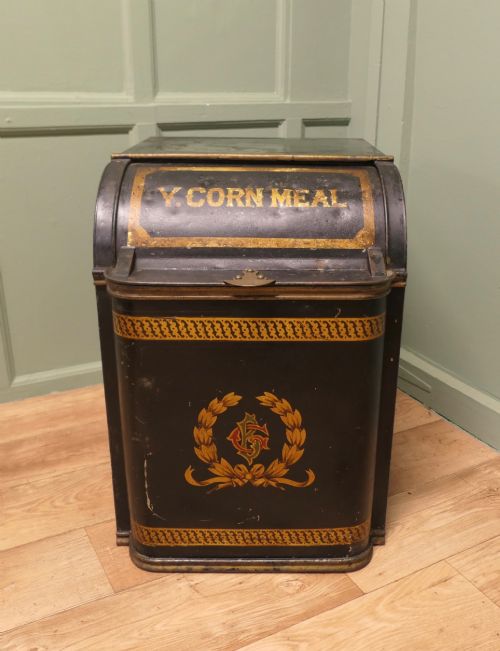
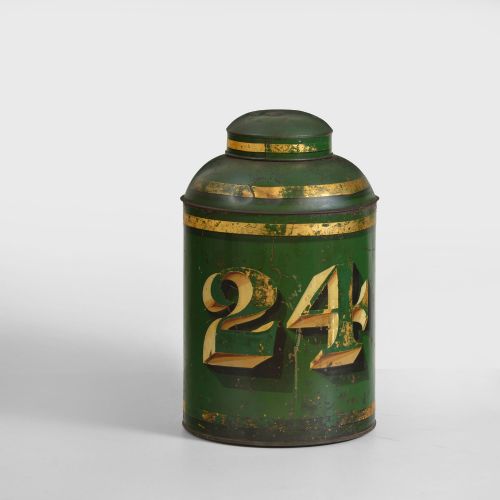
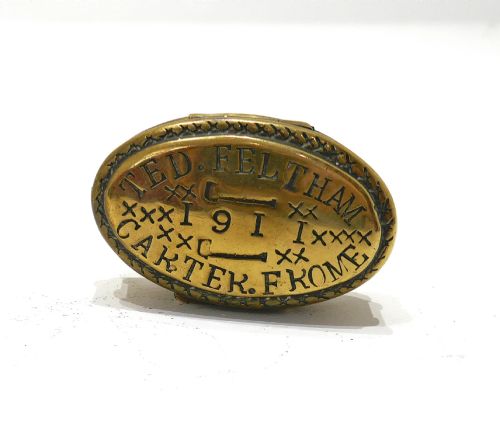
A vintage tin container encompasses a wide variety of utilitarian objects, from small pocket snuff boxes to large kitchen flour bins and storage jars. When exploring this selection, buyers frequently encounter painted toleware boxes, decorative biscuit tins, and dairy cream cans dating from the eighteenth century through to the nineteen-twenties.
The diverse forms include military hat boxes, spice boxes, and novelty satchel or tractor biscuit tins manufactured by firms such as Huntley & Palmers and Peek Frean. Pieces range from plain nineteenth-century sheet metal storage vessels to intricately hand-decorated tobacco jars and brass-rimmed grocery hoppers.
How they were made
These items rely primarily on tinplate, sheet metal, and toleware, often shaped and soldered to form rigid storage vessels. Makers frequently applied painted decoration or hand-decorated finishes directly onto the metal surface, sometimes incorporating brass rims, hinges, or engraved details.
Construction techniques vary from the simple folded seams of utilitarian nineteenth-century cream cans to the specialised moulding required for novelty biscuit tins shaped like satchels, books, or weights.
Vintage Tin Container Retail Price Guide 2026
Typical asking prices for vintage tin container among the pieces listed under this phrase on Sellingantiques today, from the lower quarter to the upper quarter. They describe what is for sale here now, not the wider market.
The selection includes items spanning the 18th century, Victorian, Edwardian, and 1920s periods, fashioned from tin, brass, toleware, and painted sheet metal.
What varies in quality
Quality in these metal objects rests upon the crispness of any engraved or embossed detailing and the preservation of the original painted or decorated surface. Pieces retaining their original hand-painted motifs or distinct maker markings demonstrate higher craftsmanship than plain utility items.
Structural integrity also defines the tier of a piece, particularly in how cleanly joints, brass rims, and lids fit together without excessive wear or crude repair.
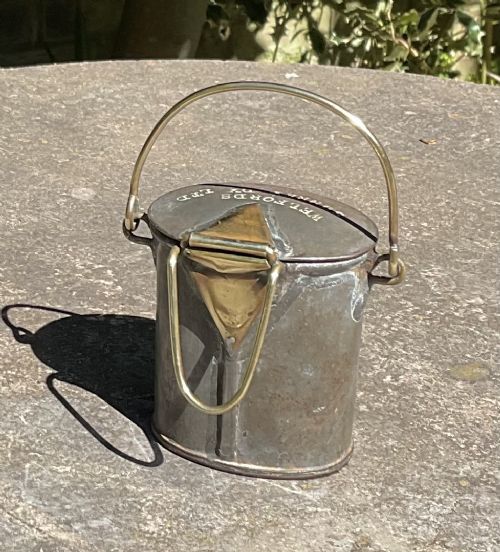
Carter. Frome·William Crawfords & Son Ltd·Peek Frean and Co, London
The Vintage Tin Container Glossary
- Toleware
- Painted or enamelled tinplate or sheet metal ware, often associated with decorative domestic items like trays, bins, and spice boxes.
- Tinplate
- Thin sheet iron or steel coated with tin to prevent rusting, used extensively for nineteenth and early twentieth-century container manufacturing.
- Tobacco jar
- A dedicated vessel designed to keep tobacco moist, commonly produced in ceramic, glass, or metal during the eighteenth and nineteenth centuries.
- Snuff box
- A small pocket-sized container used for holding powdered tobacco, frequently fashioned from brass, pewter, or painted tin.
Vintage Tin Container: Frequently Asked Questions
What were old biscuit tins used for?
Manufacturers produced decorative biscuit tins primarily to package and sell luxury biscuits to the domestic market, providing households with sturdy decorative storage once the contents were consumed.
Buyers often repurposed these tins to store dry goods, letters, or household sundries, which explains their survival in varying states of preservation today.
How do I identify toleware?
Toleware is identified by its painted or japanned finish applied to tinplate or sheet metal. The surface typically displays hand-painted floral motifs, dark backgrounds, or lacquered coatings characteristic of domestic utility items from the eighteenth and nineteenth centuries.
Examining the underlying metal and the wear patterns on the painted surface helps distinguish genuine older pieces from later reproductions.
What is a dairy cream can?
A dairy cream can served as a transport and storage vessel for milk or cream, built to withstand daily agricultural use. These sturdy metal containers often bear the names of specific dairies and regions from the Edwardian era and late nineteenth century.
Collectors appreciate them for their industrial aesthetic and robust sheet metal construction.
How should I clean a painted tin?
Painted tins require gentle dusting with a dry microfibre cloth to remove loose debris without damaging the historic paint layer. Moisture and harsh chemical cleaners should be avoided entirely, as they can lift delicate hand-painted decoration and accelerate rust on exposed metal.