




Vintage Tin Box
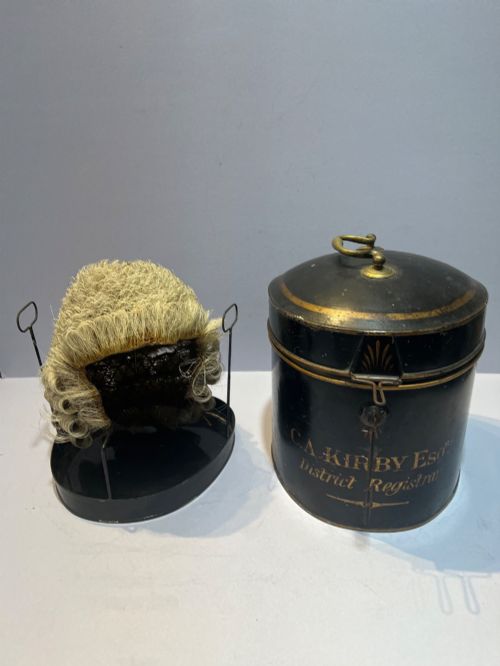
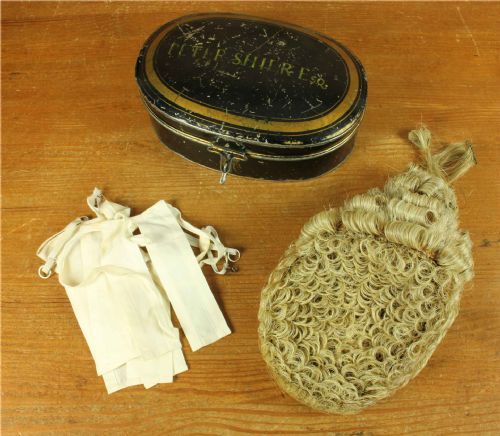
When you search for a vintage tin box, you encounter containers built from sheet metal, tinplate, and toleware designed for tobacco, biscuits, legal wigs, and military gear.
Vintage Tin Box
A vintage tin box encompasses a diverse group of utilitarian metal containers spanning the eighteenth, nineteenth, and twentieth centuries. These objects served practical functions in domestic, military, legal, and commercial settings, functioning as biscuit barrels, tobacco jars, hat boxes, and document chests.
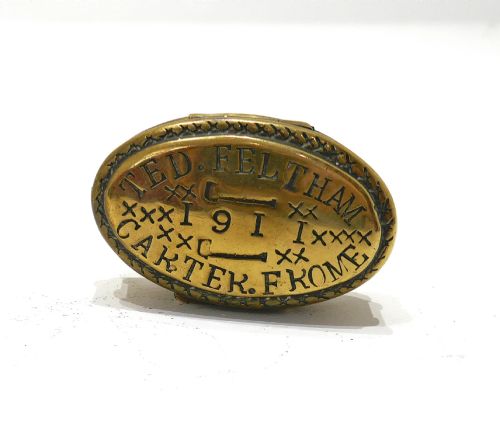
The selections available range from Georgian and Victorian examples to Edwardian and Art Deco iterations. Buyers frequently meet painted toleware spice boxes, brass snuff boxes, and printed commercial biscuit tins produced by firms like Huntley and Palmers.
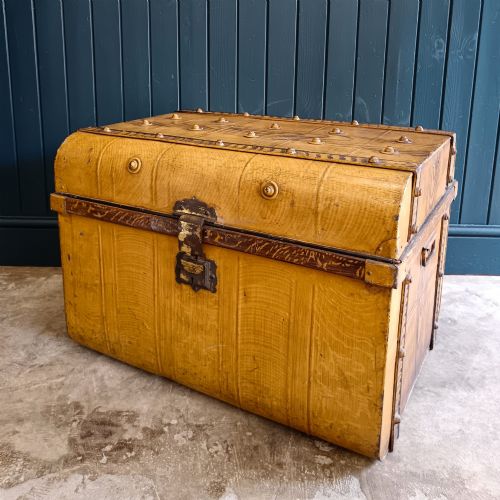
Form follows function in these metal containers, which include domed trunks, pocket nutmeg graters, sailor cap boxes, and legal wig cases. Their origins stretch across England, France, Germany, and the Netherlands.
How they were made
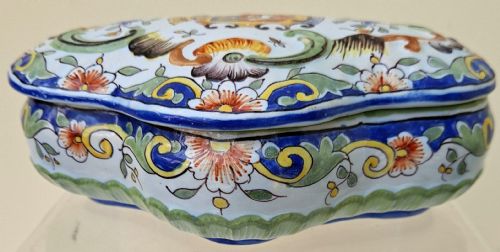
Makers utilised tinplate, iron, sheet metal, and brass as the foundational substrates for these containers. Surface decoration relied heavily on paint, lacquer, and hand-applied or printed ornamentation to simulate luxury materials like faux-wood and tortoiseshell.
Toleware pieces involved japanning and painted finishes applied to metal, while specialised items incorporated engraved brass panels and soldered joints. Artisans shaped sheet metal through cutting, folding, and riveting to achieve rigid structural forms.
Vintage Tin Box Retail Price Guide 2026
Typical asking prices for vintage tin box among the pieces listed under this phrase on Sellingantiques today, from the lower quarter to the upper quarter. They describe what is for sale here now, not the wider market.
Listings feature materials spanning brass, tinplate, sheet metal, iron, paint, and toleware across the nineteenth and twentieth centuries.
What varies in quality
The standard of a metal container depends on the crispness of its surface decoration, the preservation of original painted or lacquered finishes, and the integrity of its construction. Hand-decorated pieces and engraved brass work demonstrate superior artisan skill compared to plain utilitarian storage vessels.
Makers who produced novelty biscuit tins or detailed military hat boxes achieved higher distinction through inventive moulding and branding. Condition relies on minimal paint loss, intact hinges, and legible manufacturer inscriptions.
Eade and Son·Ravenscroft Law·Huntley and Palmers·William Crawfords and Son Ltd·Peek Frean and Co·Hawkes and Co·Nathaniel Mills
The Vintage Tin Box Glossary
- Tinplate
- Iron or steel sheet coated with tin to prevent rusting. This material formed the rigid core for many commercial storage containers.
- Toleware
- Metalware painted or lacquered, often in dark colours with floral or gilt decoration. This technique transformed basic iron into decorative domestic items.
- Japanning
- A European imitation of East Asian lacquer work using heat-cured varnish layers. It provided a durable, glossy finish on metal surfaces.
- Snuff box
- A small pocket container used for holding powdered tobacco. Examples range from simple brass to engraved silver specimens.
Vintage Tin Box: Frequently Asked Questions
What were vintage tin boxes originally used for?
These metal containers held personal commodities, dry goods, and professional gear. Items ranged from commercial tobacco and biscuits to legal documents and military wigs.
Their sturdy construction protected perishable or valuable contents from moisture, pests, and damage during daily transport or storage.
How do I identify a toleware box?
Toleware consists of metal, usually iron or tinplate, treated with japanned or painted finishes. You will typically see dark backgrounds adorned with hand-painted floral motifs or gilt detailing.
These pieces were produced for domestic and office use, including spice storage, document holding, and waste paper disposal.
Are biscuit tins collectible?
Commercial biscuit tins manufactured by prominent bakeries command significant collector interest due to their decorative lithography and novelty shapes. Companies produced containers modelled after books, satchels, and carved wooden boxes.
Their survival depends on the retention of original colourful surfaces and legible brand markings.
How should I clean a painted metal box?
Maintain painted metal surfaces with a dry or lightly dampened soft cloth to remove dust. Avoid harsh chemical solvents or abrasive cleaners that strip historic paint and lacquer.
Store these objects away from direct sunlight and high humidity to prevent flaking and oxidation.