




Vintage Tile Table
A vintage tile table brings practical warmth into a room through hand-glazed ceramics and sturdy timber.
Vintage Tile Table
When you search for a vintage tile table, you uncover a utilitarian domestic piece reimagined as decorative furniture. These surfaces combine functional woodwork with glazed ceramic inserts, creating durable tops designed for daily use.
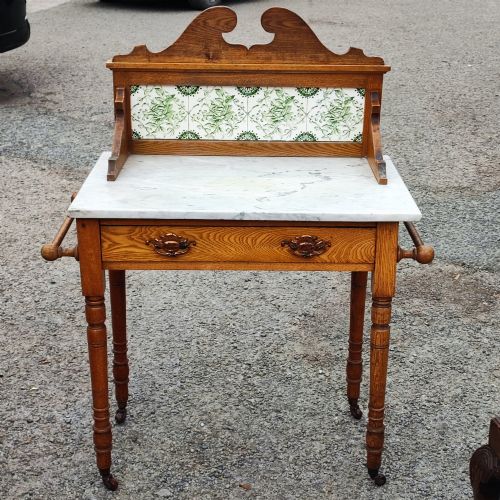
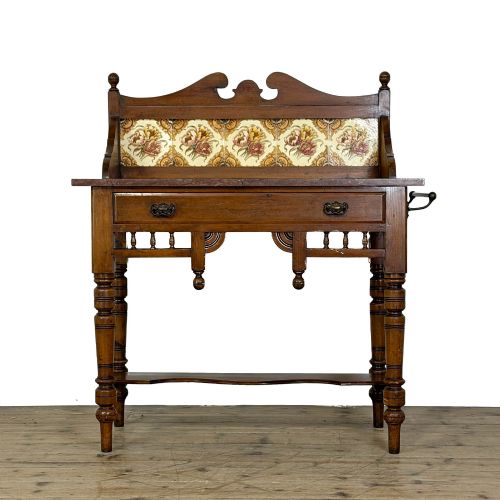
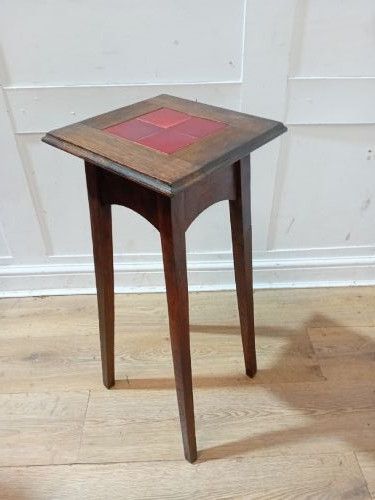
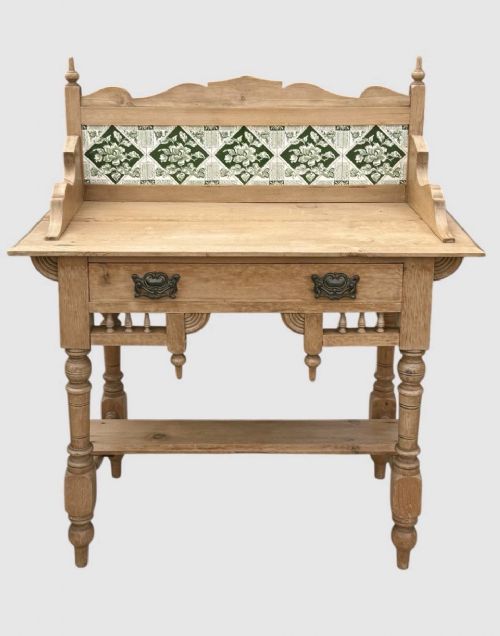
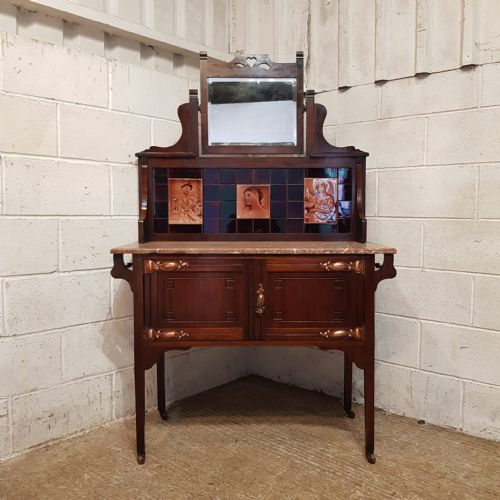
The versions you are most likely to meet on this page span the Victorian and Edwardian eras through to the mid-century. They frequently appear as washstands with marble or tiled backs, alongside compact side tables and plant stands.
Makers utilised various timber frames to house these ceramics, including oak and mahogany. The tiles themselves display patterns ranging from geometric Art Nouveau motifs to floral Arts and Crafts designs.
Materials and Construction
Makers built these pieces using solid hardwoods like oak and mahogany, often alongside painted pine for utility furniture. These timber frames provided the necessary structural rigidity to support heavy ceramic tile insets and marble slabs.
The decorative surfaces rely on fired ceramic tiles, which were frequently glazed to resist moisture in washstands or heat in occasional tables. Skilled joinery secured the tiles within wooden rebates, sometimes complemented by brass fittings and glass elements.
Vintage Tile Table Retail Price Guide 2026
Typical asking prices for vintage tile table among the pieces listed under this phrase on Sellingantiques today, from the lower quarter to the upper quarter. They describe what is for sale here now, not the wider market.
Current listings feature items spanning the nineteenth century through to the nineteen-thirties, constructed from oak, mahogany, pine, and marble.
Distinctions in Quality
The standard of a piece rests largely on the integration between the ceramic work and the timber frame. Superior examples feature tightly fitted joints and high-grade tiles from notable producers rather than mass-produced replacements.
Material selection divides the functional washstands and side tables from simpler utility pieces. Dense hardwoods and unblemished marble tops elevate the construction, while the artistic execution of the tile motifs dictates the piece's overall decorative merit.
Ellen E. Houghton of Minton·Heals
The Vintage Tile Table Glossary
- Arts and Crafts
- A design movement prioritising traditional craftsmanship and simple forms over industrial mass production. It heavily influenced the decorative tile patterns seen on turn-of-the-century furniture.
- Art Nouveau
- A style characterised by flowing, organic lines and floral motifs. This aesthetic often appears on the glazed ceramic tiles inset into wooden side tables and washstands.
- Washstand
- A piece of bedroom furniture designed to hold a basin and pitcher, frequently topped with marble or ceramic tiles to protect the wood from water splashes. Many surviving examples are now adapted as side tables.
- Jardiniere Stand
- A tall plant stand built to display indoor potted plants and ferns. They commonly feature tiled tops to catch moisture and prevent water damage to the timber.
Vintage Tile Table: Frequently Asked Questions
What is a tile top table used for?
These pieces served practical household roles, from holding washbasins in bedrooms to displaying plants in hallways and serving drinks on side tables.
The ceramic surface provided a heat and water-resistant top that easily endured daily domestic chores without damaging the wooden structure beneath.
How do I clean a vintage tile table?
Wipe the ceramic tiles with a damp cloth and mild soap, avoiding harsh chemical abrasives that might dull the glaze or damage the grout.
Treat the surrounding wood frame with appropriate timber wax or polish, keeping moisture away from unsealed joints.
Are these tables waterproof?
The ceramic tiles and marble inserts resist water effectively, making them suitable for holding plants or washbasins.
However, the surrounding timber frames and historic grout lines require care to prevent swelling or staining from prolonged exposure to standing liquid.
How do I date a tile table?
Examine the timber construction, joinery methods, and the style of the ceramic tiles to determine the period of manufacture. Pieces from the late nineteenth and early twentieth centuries often feature distinct Arts and Crafts or Edwardian motifs.