





Vintage Tier Bookshelf
These vintage tier bookshelf pieces combine tiered open display with compact storage, offering a practical solution for organising volumes in period interiors.
Vintage Tier Bookshelf
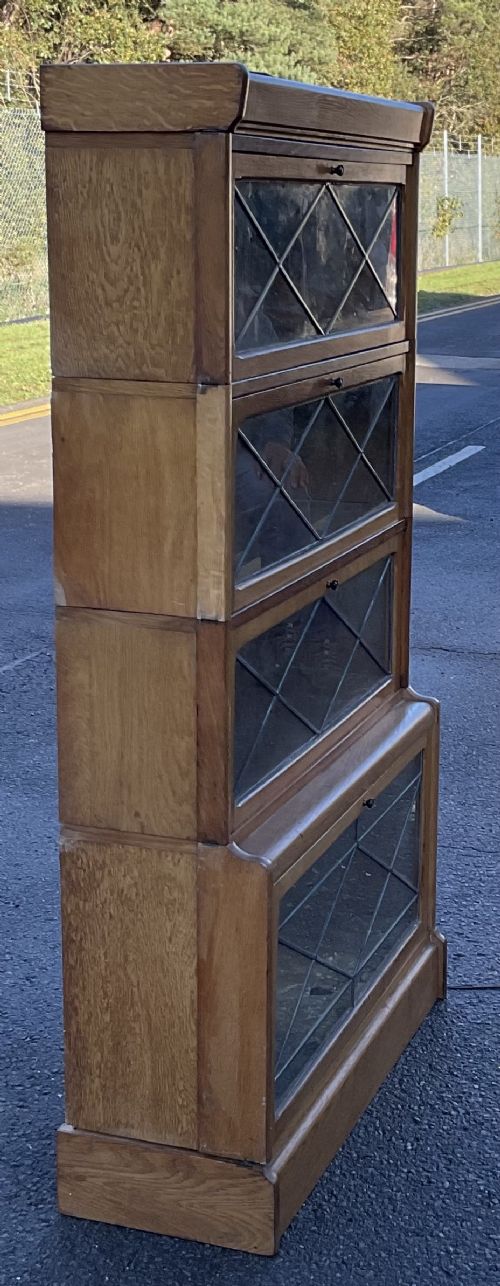
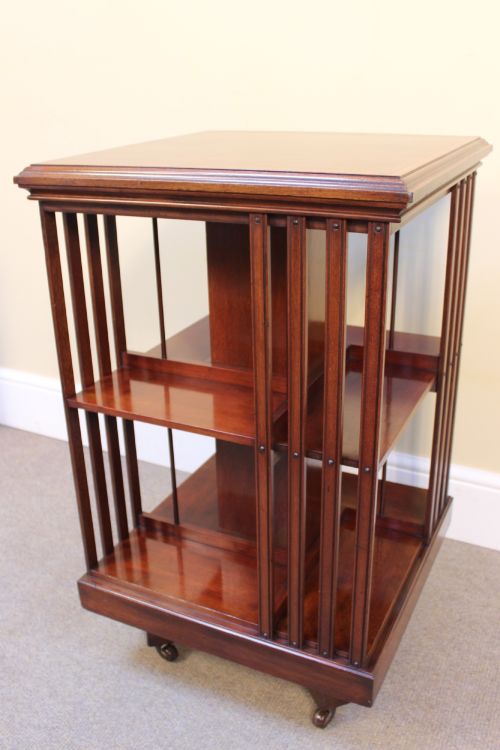
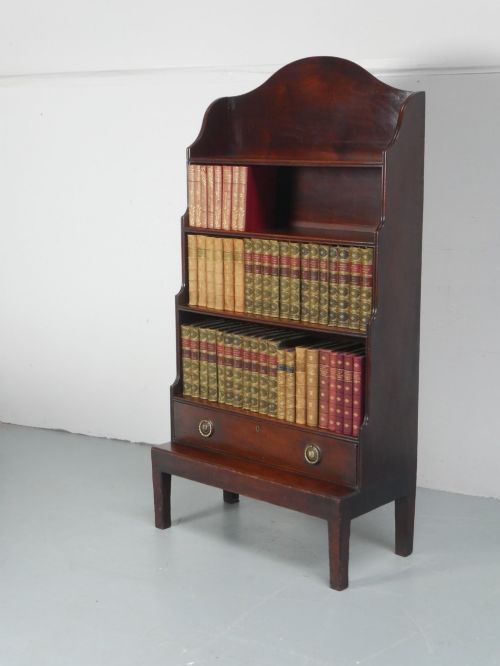
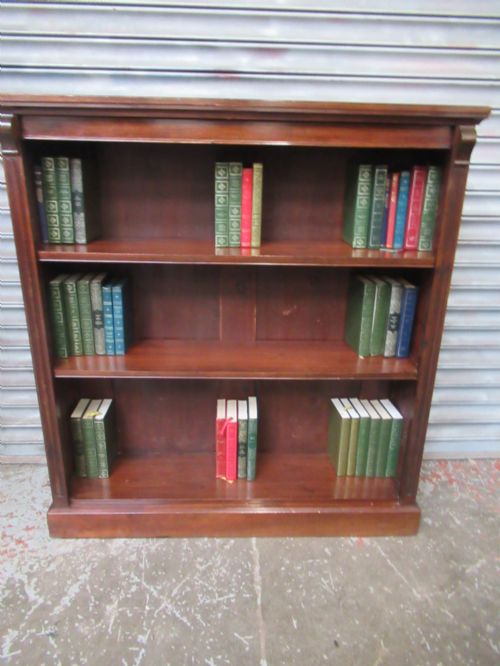
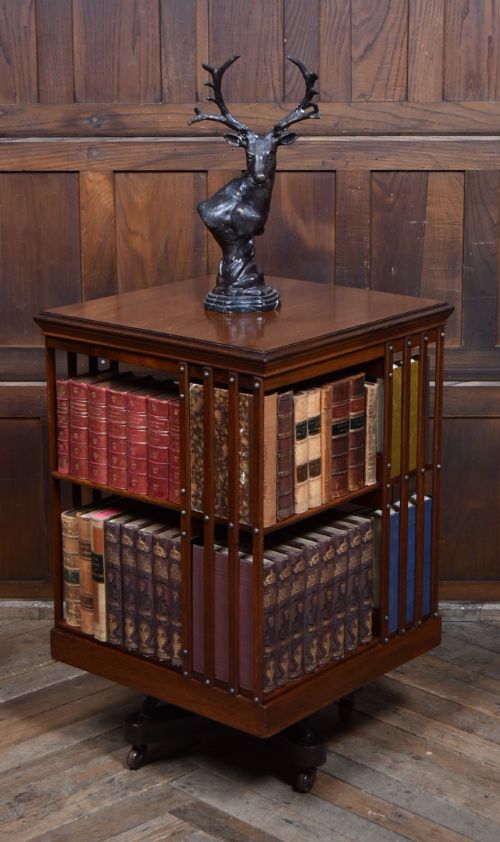
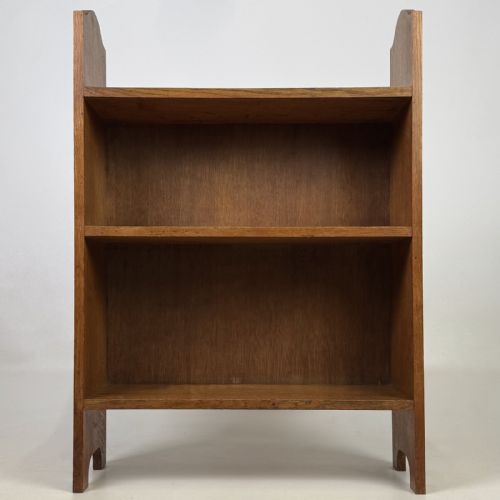
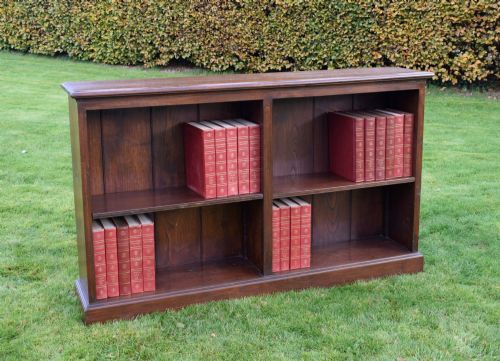
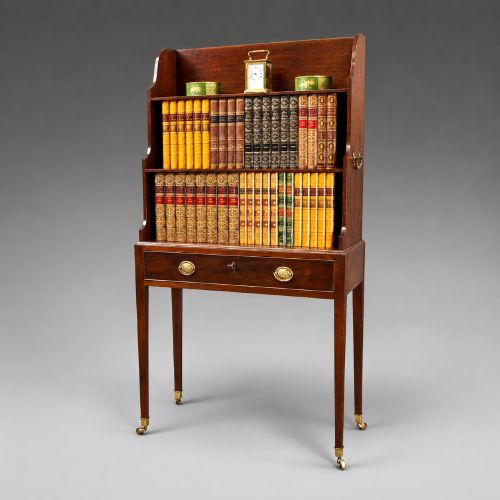
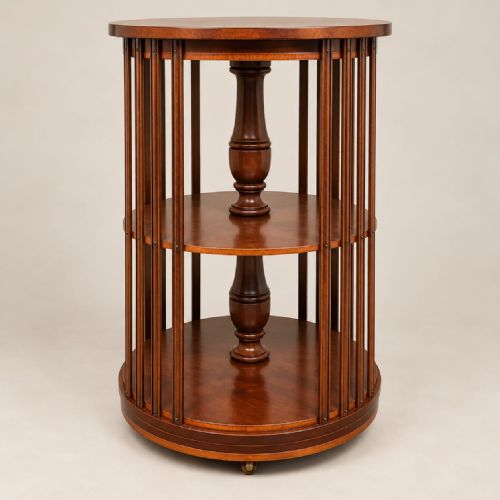
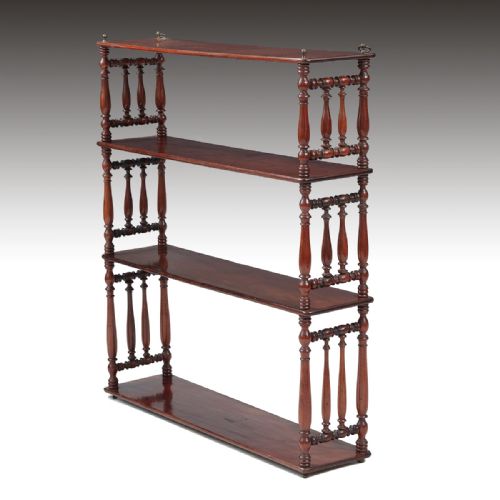
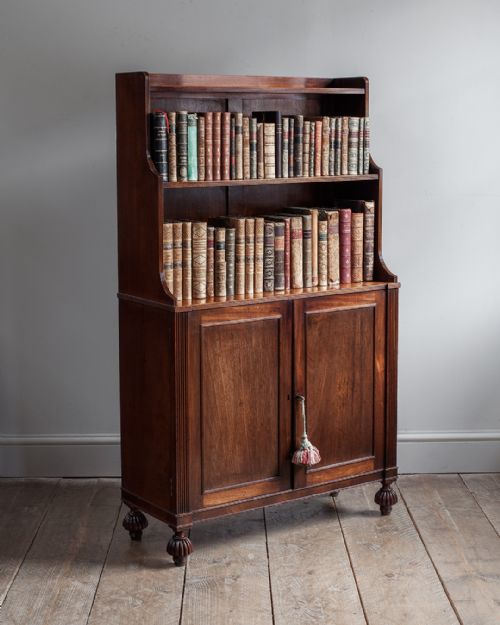
A vintage tier bookshelf takes many forms across the evidence, appearing most frequently as revolving bookcases, wall hanging shelves, and tiered bookcases from the Victorian and Edwardian periods. Buyers searching this phrase encounter multiple levels of shelving designed to hold books within reach while occupying minimal floor space.
Makers and craftsmen of the nineteenth and early twentieth centuries produced these tiered forms to serve both utility and display, incorporating brass castors, raised galleries, and inlaid details. Each piece reflects the domestic storage needs of its specific period, from compact revolving desk units to taller tiered wall displays.
How they were made
Construction relies heavily on traditional timber framing using mahogany, oak, walnut, and rosewood, often enhanced with satinwood inlay or flame mahogany veneers. Metal and cast iron components appear alongside brass castors on revolving and movable floor models.
Joinery techniques span slatted sides for revolving units, raised galleries for open shelves, and tiered bracket supports for wall-hung variations. Workshops balanced structural rigidity with decorative elements like bobbin turnings and inlaid surfaces.
Vintage Tier Bookshelf Retail Price Guide 2026
Typical asking prices for vintage tier bookshelf among the pieces listed under this phrase on Sellingantiques today, from the lower quarter to the upper quarter. They describe what is for sale here now, not the wider market.
Some nineteenth-century models feature bobbin-turned supports that give rigid bookshelves a wonderfully tactile, undulating rhythm.
What varies in quality
Quality differences emerge in the selection of primary timbers and secondary veneers, where figured flame mahogany or dense rosewood command greater distinction than standard utility oak. The crispness of inlaid work and the integration of original brass castors also differentiate finer cabinetmaking from simpler workshop production.
Structural execution, such as the smooth rotation mechanism on revolving models and the stability of tiered wall brackets, separates everyday utility pieces from superior examples. The presence of raised galleries and refined edge mouldings further indicates the level of craftsmanship invested in the piece.
The Vintage Tier Bookshelf Glossary
- Revolving bookcase
- A rotating floor-standing bookcase designed to sit beside a desk or armchair for easy access to volumes from any angle.
- Waterfall bookcase
- A graduated set of open shelves where each tier steps back from the one below, creating a cascading profile.
- Whatnot
- An open multi-tiered piece of furniture used for displaying books, ornaments, or small objects.
- Raised gallery
- A low decorative railing around the top edge of a shelf or bookcase to prevent items from sliding off.
- Inlay
- A decorative technique where contrasting pieces of wood or brass are set into the surface timber to create patterns.
Vintage Tier Bookshelf: Frequently Asked Questions
How do I identify an Edwardian revolving bookcase?
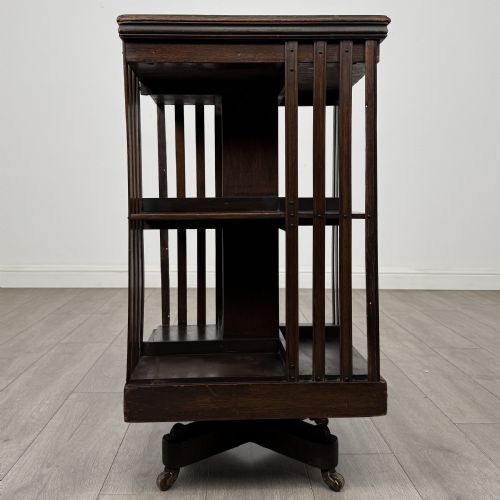
Edwardian revolving bookcases typically feature slatted wooden sides and square or circular tops, frequently constructed in oak or mahogany around the early 1900s.
They often sit upon low cruciform bases fitted with concealed castors to allow smooth rotation of the tiered shelving compartments.
What is the difference between a whatnot and a bookcase?
A whatnot is a multi-tiered open furniture piece designed primarily for display rather than strictly for holding volumes.
Bookcases focus on vertical shelf tiers specifically proportioned for storing bound books and literature.
Were wall hanging shelves common in the Regency period?
Regency wall hanging shelves were produced to display small libraries and decorative objects in domestic interiors.
These pieces usually feature graduated mahogany tiers supported by shaped vertical brackets designed for wall mounting.
How do I care for a mahogany tiered bookshelf?
Mahogany tiered bookshelves require gentle dusting with a soft cloth and occasional treatment with appropriate furniture wax to preserve the timber finish.
Keep them away from direct heat sources and strong sunlight to prevent the wood from drying or fading.