


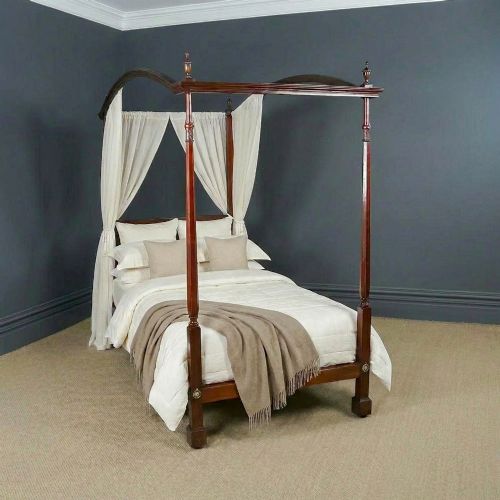


Vintage Tester Bed
A vintage tester bed brings architectural presence to a bedroom, combining substantial timber or metal framing with an overhead canopy.
Vintage Tester Bed
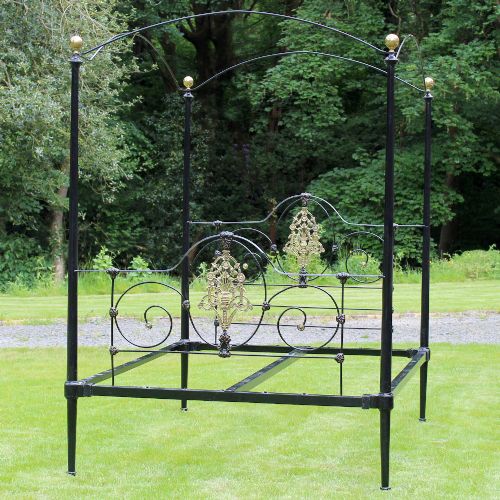
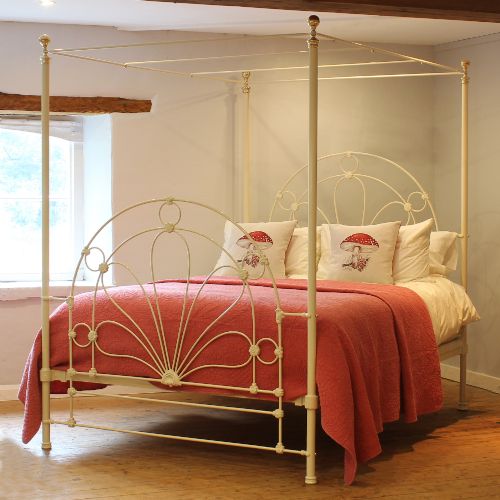
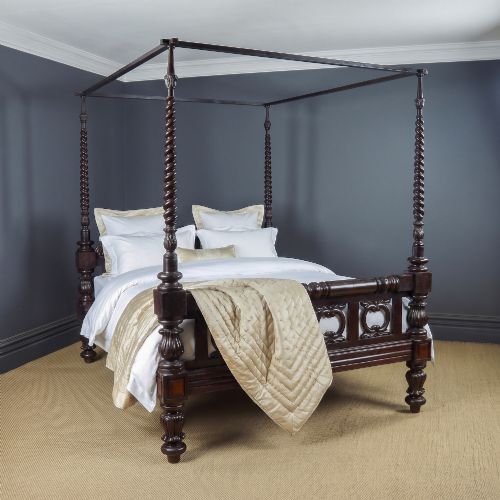
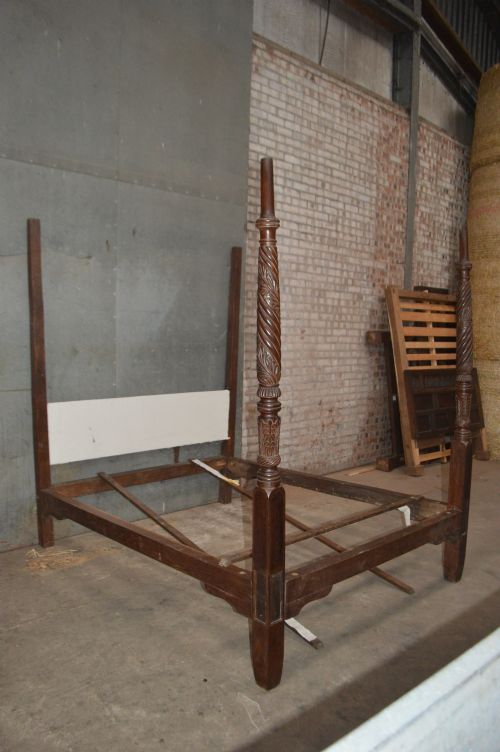
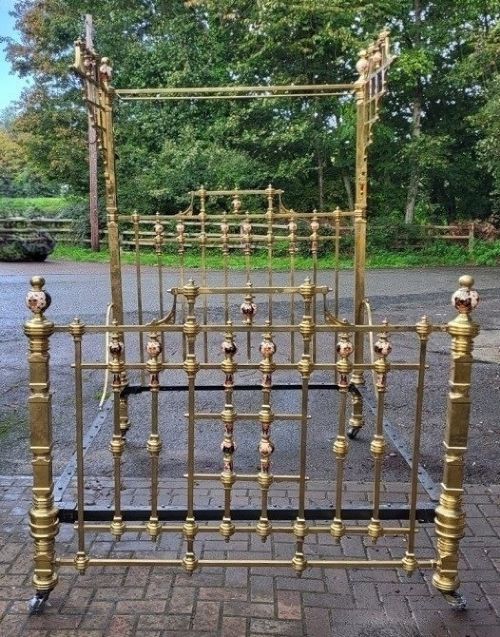
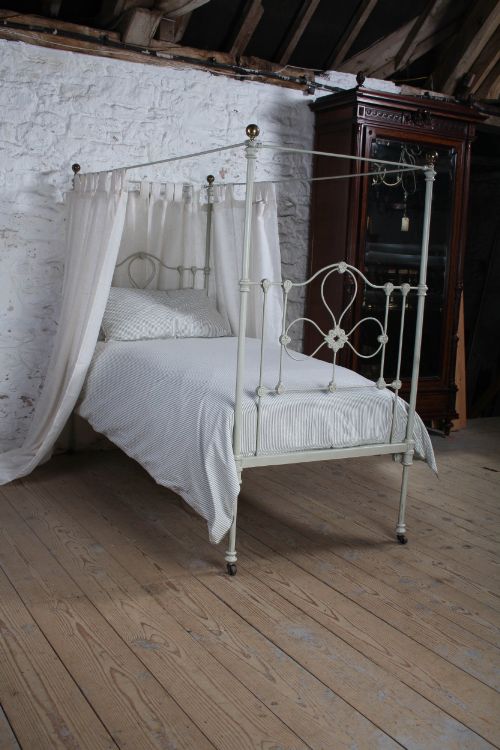
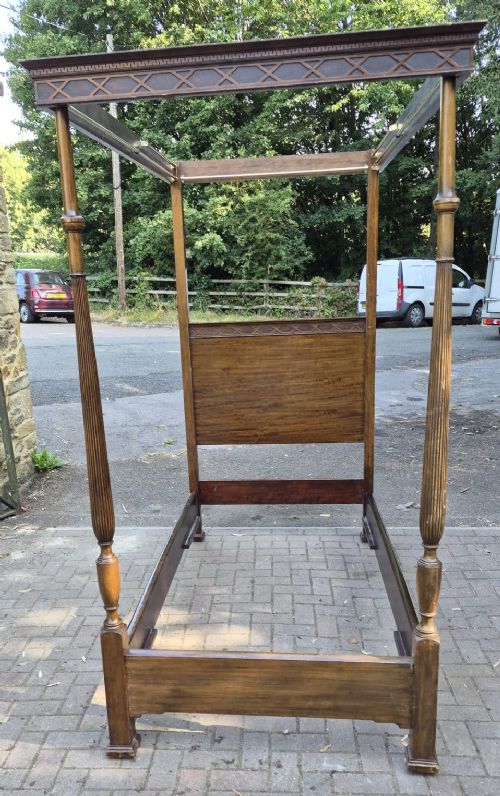
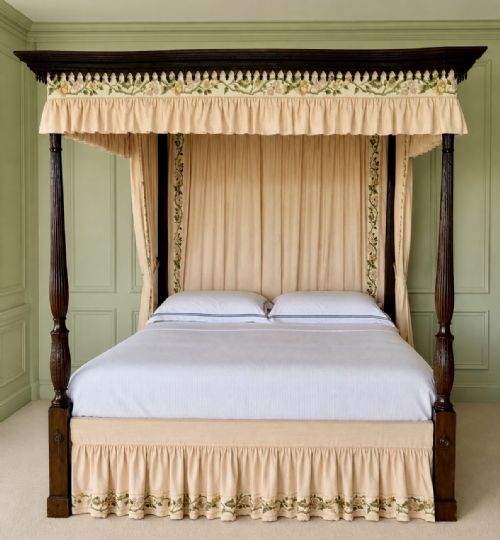
A vintage tester bed consists of a bedstead topped by a canopy framework, historically designed to trap warmth and provide privacy with drapery. The examples found here span the nineteenth and early twentieth centuries, encompassing both full four-poster structures and half-tester configurations where the canopy projects solely from the headboard.
The materials range from rich timbers such as mahogany, oak, and burr walnut to robust metals including brass, cast iron, and wrought iron. Stylistic influences vary from classical Regency lines and Georgian Revival proportions to ornate Victorian Gothic expressions.
Most pieces encountered on this page date from the Victorian and Edwardian eras, with a strong showing of brass half-testers and mahogany four-posters. These range from single proportions up to super king sizes, accommodating modern mattresses while retaining their period frames.
What varies in quality
The standard of timber selection and depth of carving define the finer wooden frames, where figured mahogany or burr walnut veneers are applied with precision. Simpler pine frameworks sit at the other end of the scale, built for utility rather than display.
Metal beds vary according to the weight of the casting and the richness of the brass ornamentation, with exhibition-quality pieces featuring heavier gauge metalwork and more intricate decorative detailing. The structural integrity of the joints and the original proportions dictate the overall command of the piece in a room.
Vintage Tester Bed Retail Price Guide 2026
Typical asking prices for vintage tester bed among the pieces listed under this phrase on Sellingantiques today, from the lower quarter to the upper quarter. They describe what is for sale here now, not the wider market.
Heals of London
The Vintage Tester Bed Glossary
- Tester
- The canopy framework positioned above the bed, which historically supported curtains or fabric drapery to retain heat.
- Half tester
- A canopy that projects only partway over the bed from the headboard, supported by two posts rather than four.
- Four poster
- A bedstead featuring four vertical posts at each corner that support an overhead roof structure.
- Bedstead
- The complete framework of a bed, including the headboard, footboard, and side rails, excluding the mattress and bedding.
- Finial
- A decorative terminal ornament, commonly seen atop the posts or corners of metal and wooden bed frames.
Vintage Tester Bed: Frequently Asked Questions
Will a vintage tester bed fit standard modern mattresses?
Many period beds were built to historical dimensions that differ slightly from contemporary standard sizes. It is essential to check the internal length and width of the rails before purchasing a modern mattress.
Some frames can accommodate standard slats or modern bases with minor adjustments by a specialist restorer, preserving the exterior appearance while ensuring comfortable support.
How do I distinguish between a Regency and a Victorian tester bed?
Regency frames generally display cleaner classical lines, often executed in mahogany with restrained brass mounts influenced by ancient Greek and Roman designs. Victorian examples tend to be heavier and more exuberant, incorporating carved details, Gothic Revival motifs, or lavish brass half-tester canopies.
Examining the turning of the posts and the treatment of the headboard usually reveals the stylistic priorities of the respective period.
How were half-tester beds used historically?
Half-tester beds were designed to hold a canopy and curtains solely over the pillow end of the bed. This arrangement provided the traditional benefits of privacy and draught exclusion without enclosing the entire length of the bed.
They were particularly popular in nineteenth-century bedrooms where space was at a premium or where lighter interior aesthetics began to prevail over fully draped four-posters.
What maintenance do brass and iron bedframes require?
Metal bedframes benefit from occasional dusting with a soft cloth to prevent the accumulation of grime on decorative castings and brass tubes. Avoid abrasive metal cleaners that can strip protective lacquers or vintage patinas from brass components.
Checking and tightening the structural bolts periodically ensures the frame remains stable and prevents unnecessary strain on the joints.